It is always interesting to book accommodation online in a place you don’t know and then show up to see where and what you actually booked. In the case of Belgrade, I got fairly lucky. I booked the Up Hostel and found it was right in the middle of the active bohemian walking street, Skadarska. Right outside the doors of the hostel is a scenic street with many restaurants, bars, and a few shops. Many of the restaurants play live music long into the evening giving it a vibrant atmosphere. This street is also not far from main central walking street, Prince Michael street, which connects to many of the main tourist attractions in the central area of Belgrade.
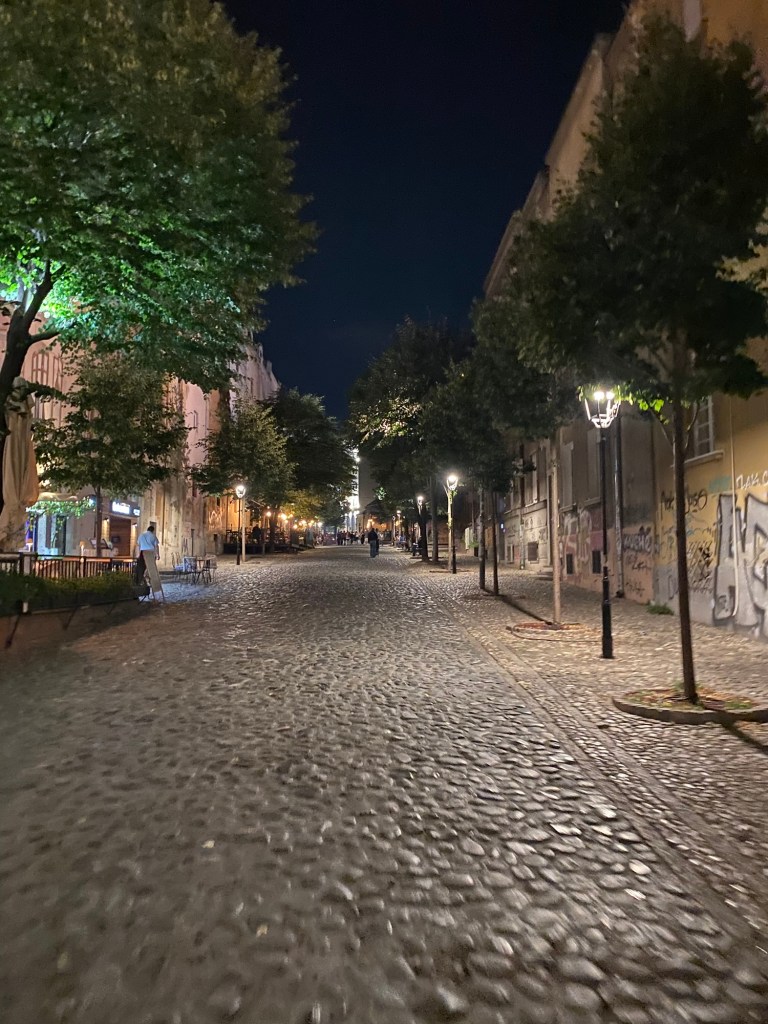
The first evening I was able to explore and wander the streets and largely people watch while I got myself situation and made plans for the time in the Serbian capital.
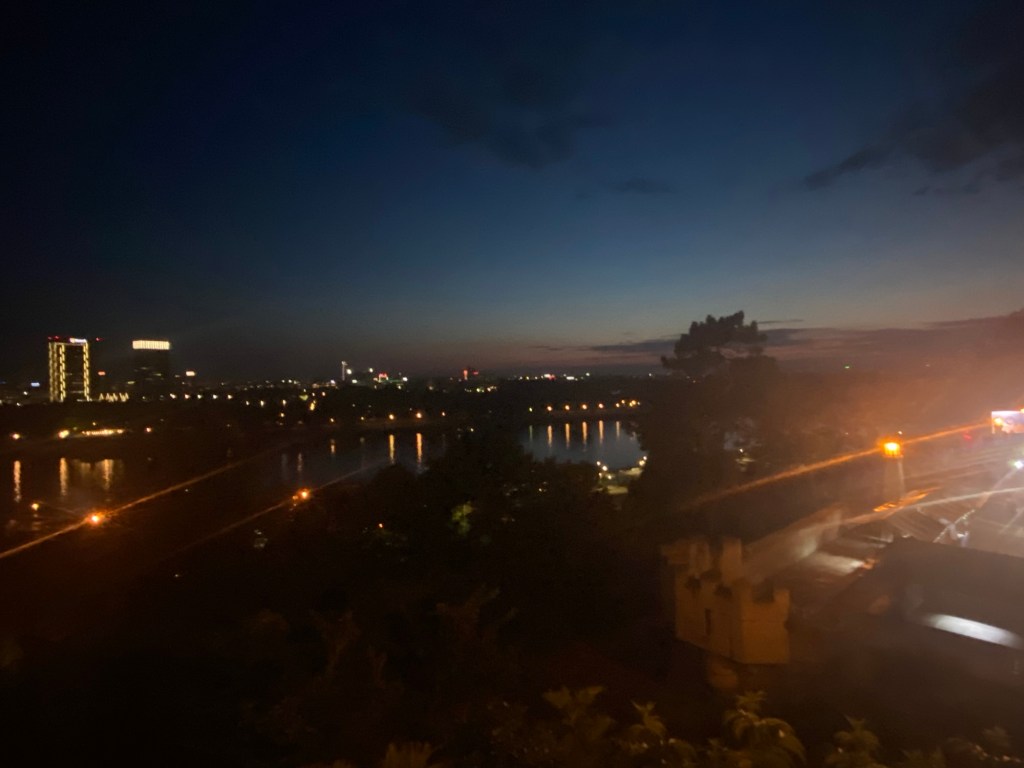
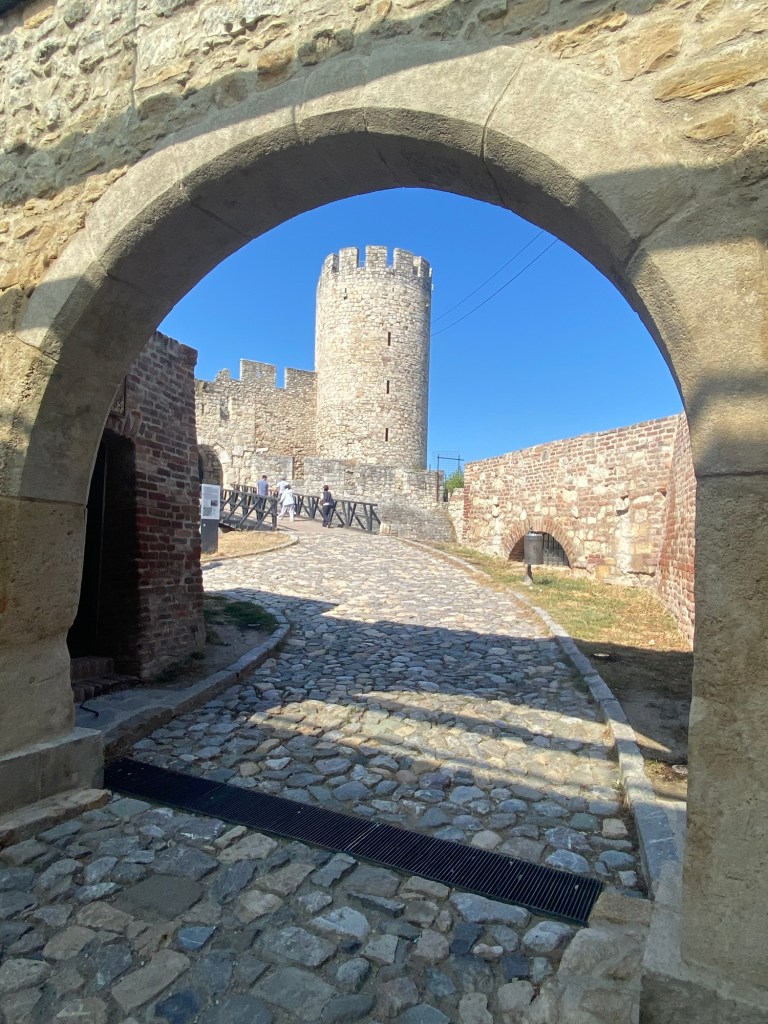
The first full day, I joined the free walking tour to have a two and a half hour tour through the neighbourhoods I had wandered through the night before. It was a good way to learn some of the history of the country and city and to better understand what I was looking at. With the city situated at the confluence of the Danube and Sava rivers, it was clear that this had played a large part in making this city a major thoroughfare over the generations. The guide noted that the city had been attacked more than any other city in the world due to the location. He indicated that there had been 119 battles for Belgrade or its predecessor cities, going back to pre-Roman times. This is likely why the Belgrade Fortress is a central part of the tour and looks across at an island situation between the two rivers called Great War Island.
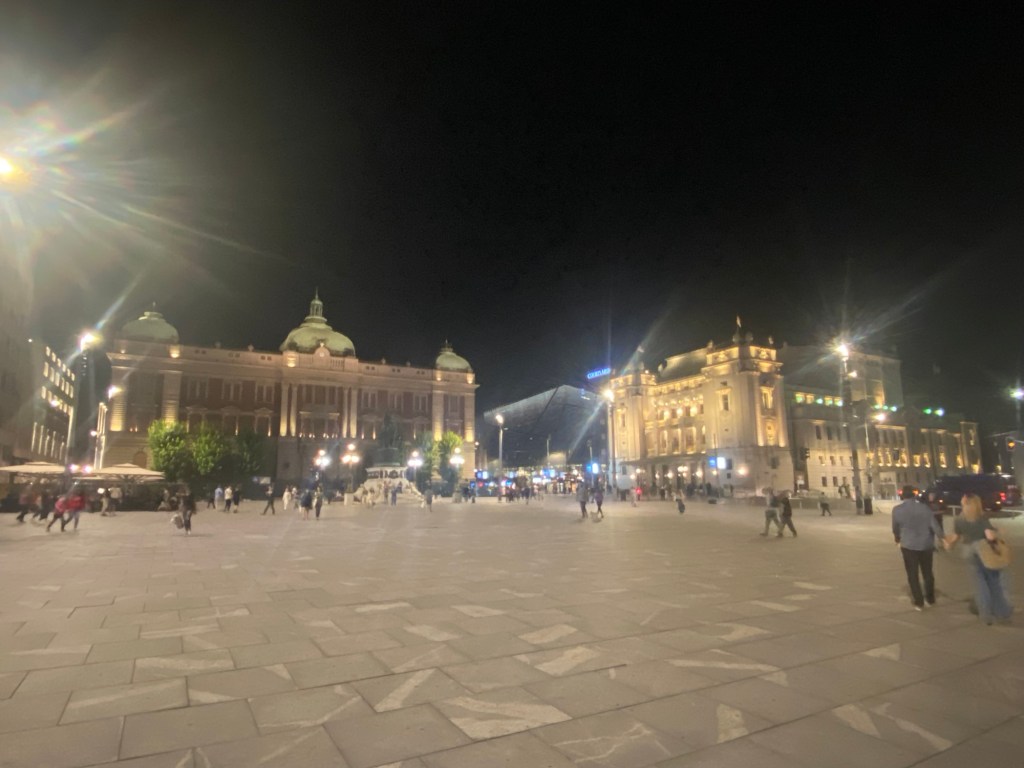
In the afternoon I explored the Serbian National Museum and took in some of the history and art of the Serbian country. The museum did a good job of providing a visual timeline of activity in the area from Neanderthal findings to early human settlements and through the Roman, Ottoman, and early Serbian Independence as part of the Slovak Nation. I am assuming most of the modern history is in the Yugoslavian Museum which I have yet to visit.
 BorealHiker