I haven’t done as much hiking as I originally anticipated on my trip. Although I do look for the odd day hike that I can do to see more of the lay of the land than just the urban centres of places I visit. In Belgrade, I had heard of a short hike up Avala Hill to a tower and a World War I memorial that I thought could be good to see.
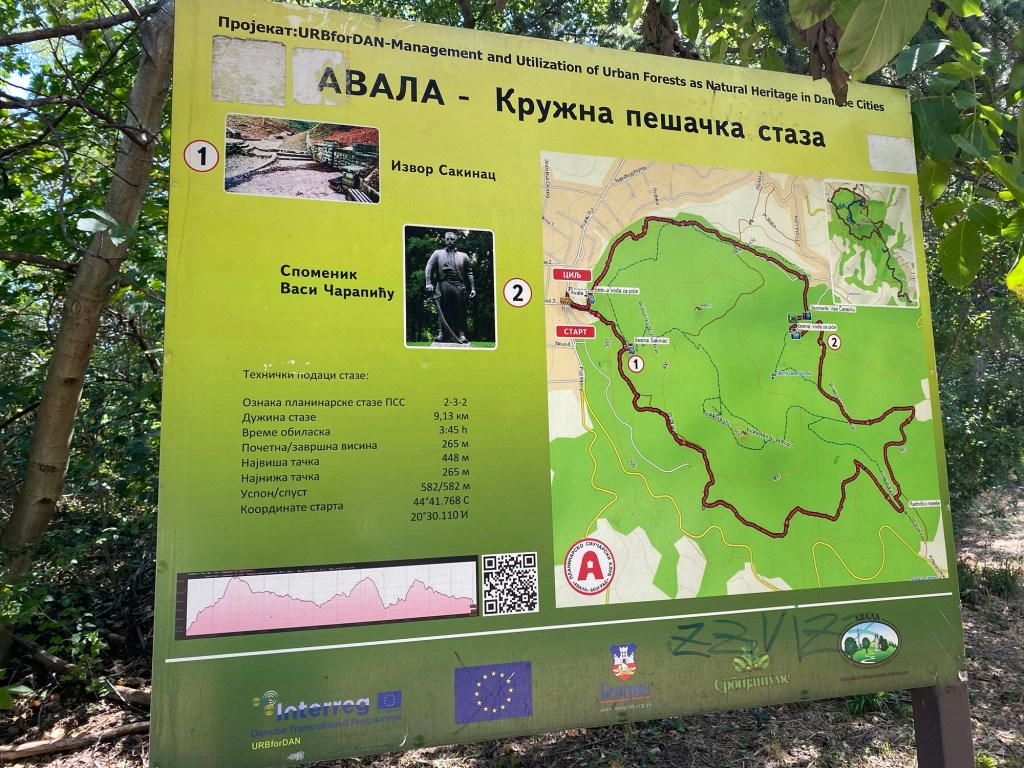
Avala Hill is on the southern end of Belgrade, technically outside the city limits. I took advantage of the free public transport to get out to the town of Avala where a trail begins up a hill. I used the Moovit app to help navigate which buses I needed to take as the route took a bit over an hour on a couple buses. The gentle cutbacks of the path made it easy to climb. Part way up there is a small sitting area with a fountain that you can get water at. Although the path had some places of uncertainty as to direction, particularly at the top where it wasn’t clear which path took me to the memorial and which to the tower, a helpful local got me oriented and in the right direction.
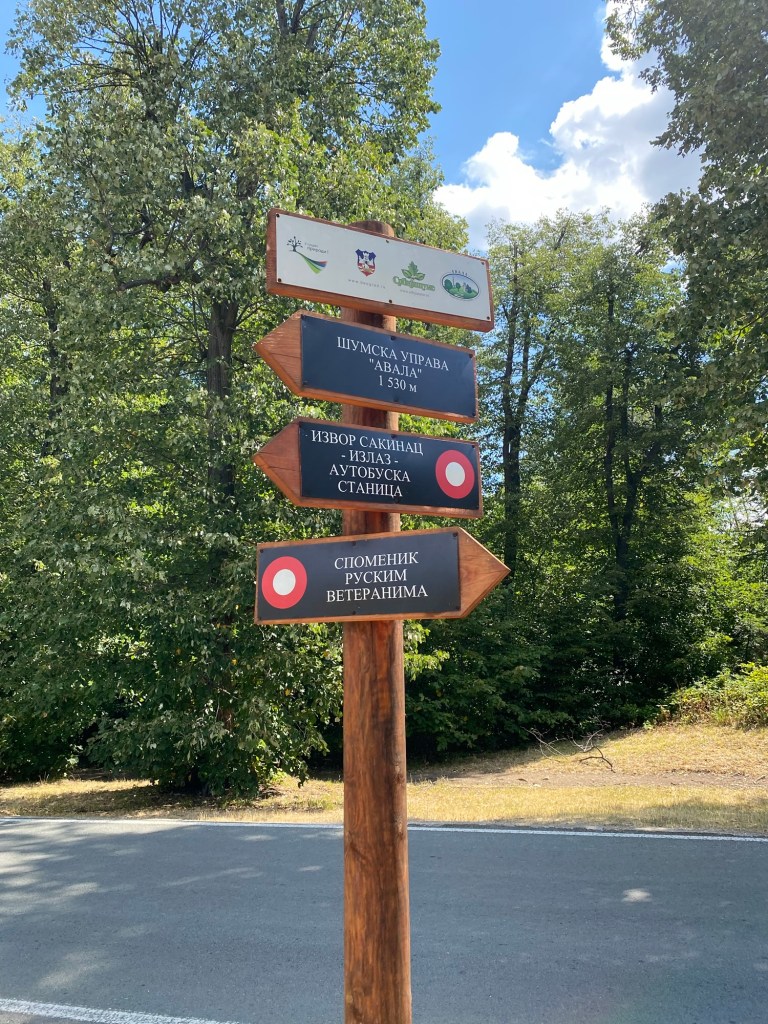
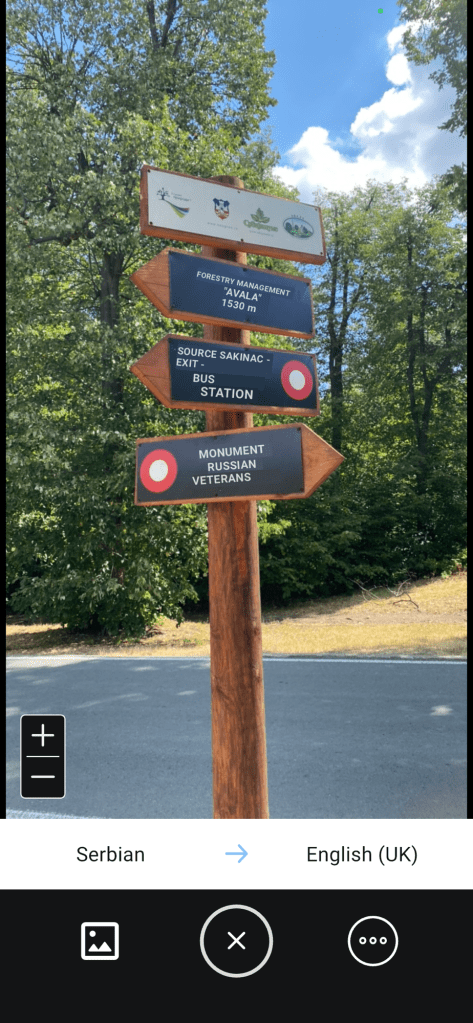
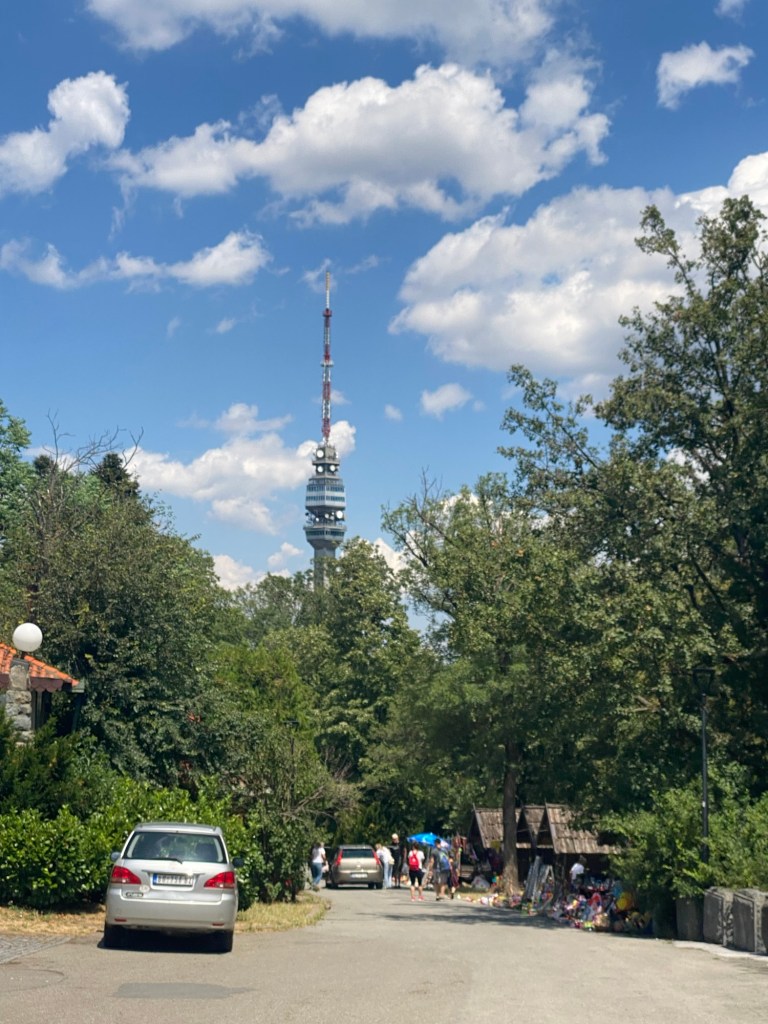
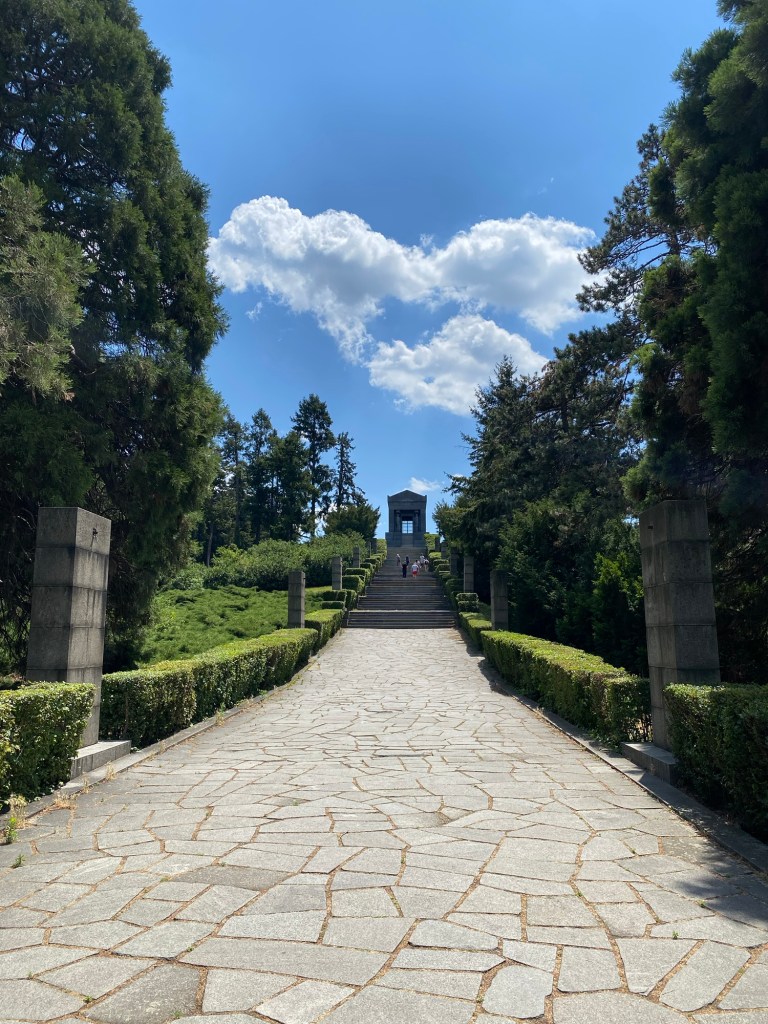
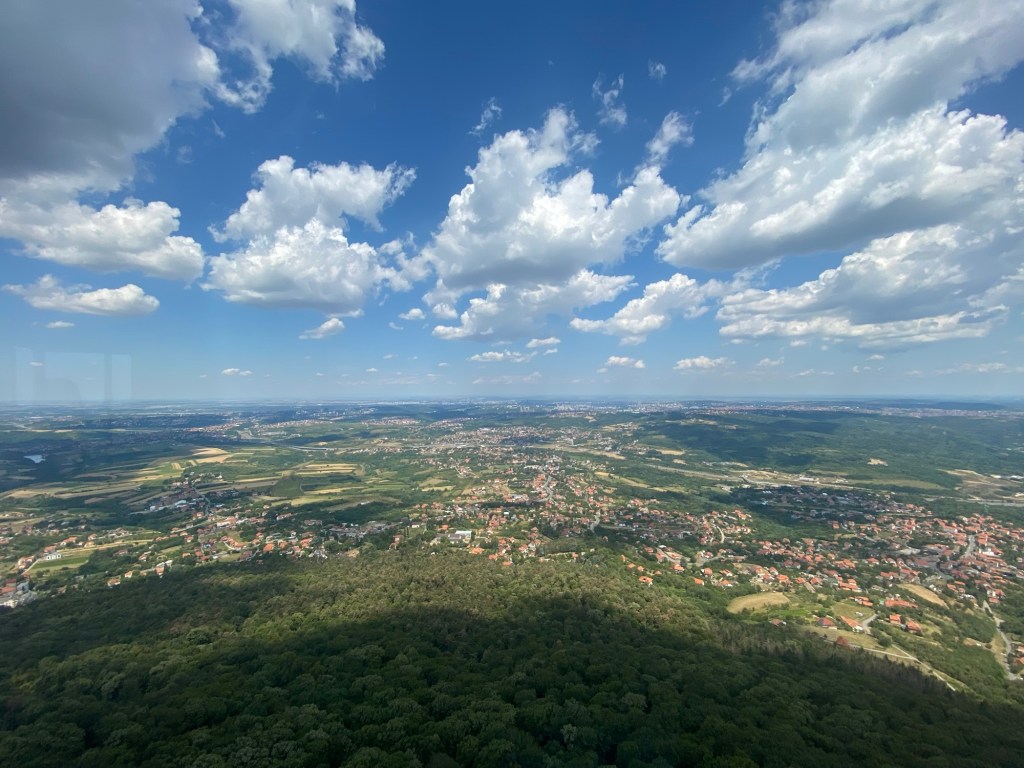
The Memorial was to then unknown soldiers lost in World War One by the Slavic nations. It had a strong Soviet design and looked south over the fields of Serbian. The tower was about 500 metres north but obscured by trees from the memorial and trail as it wasn’t at the peak. Information suggested it had been one of the ten tallest buildings in the world when it was constructed but had long since come off this list. Still, the observation deck gave a broad panorama where you could see Belgrade and the Danube to the north and the rural areas surrounding it. A museum and coffee shop were on different levels of the tower.
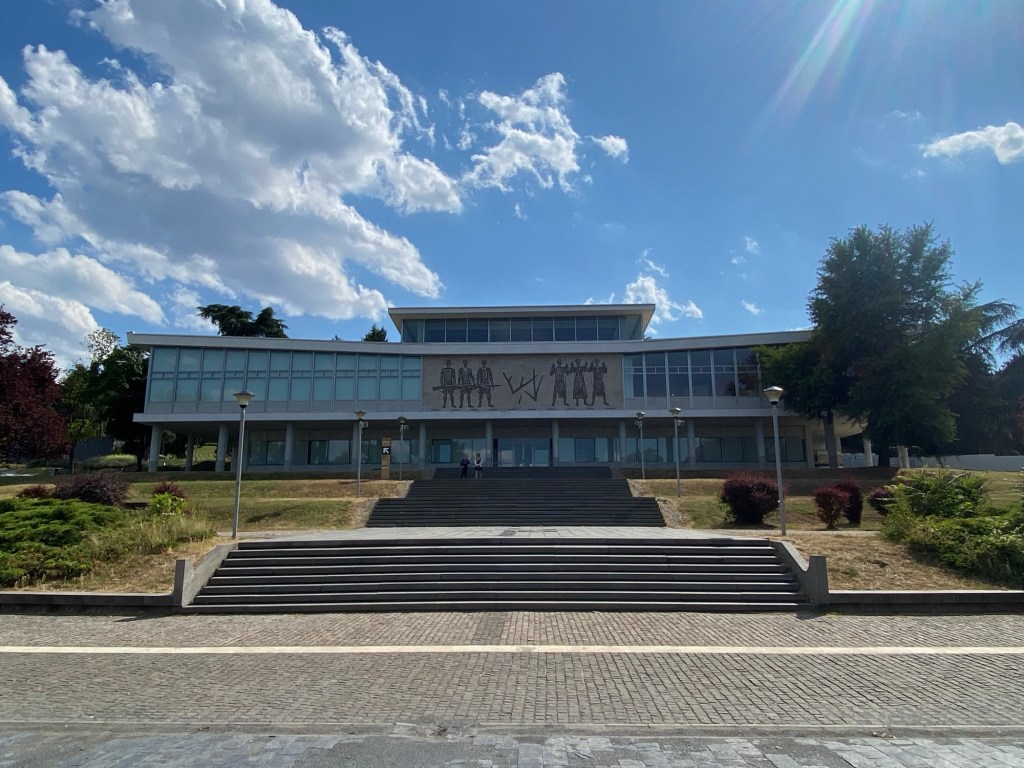
In the afternoon, I made my way back to Belgrade and stopped part way to visit the Yugoslavian National Museum. It was an interesting design including four buildings: the main museum building, the ticket office/store, the old museum, and the House of Flowers. As I ex-pored it became apparent that this museum was really about the long-term President of Soviet Yugoslavia, Josip Broz Tito, and not so subtly was encouraging his cult of personality. The Old Museum had the majority of the exhibitions, interspersed with items given to Tito over his 28-year rule. The House of Flowers was apparently a main office for Tito which he had constructed along with the other buildings with a broader park area. It was also where he lay in state prior to his funeral. The main museum really had two main rooms to visit which appeared to be rotating exhibits. On my visit, one room celebrated Soviet monuments across the former Yugoslavia, and the other told the story of one of the other Yugoslavian Soviet leaders, Veliko Vlahovic.
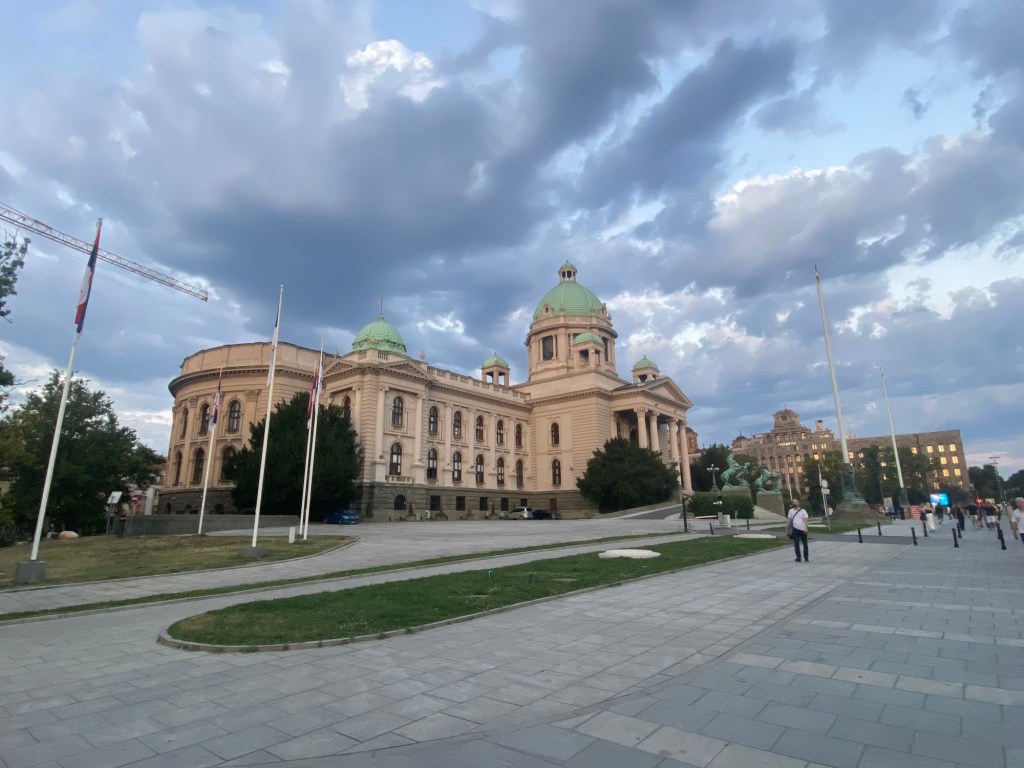
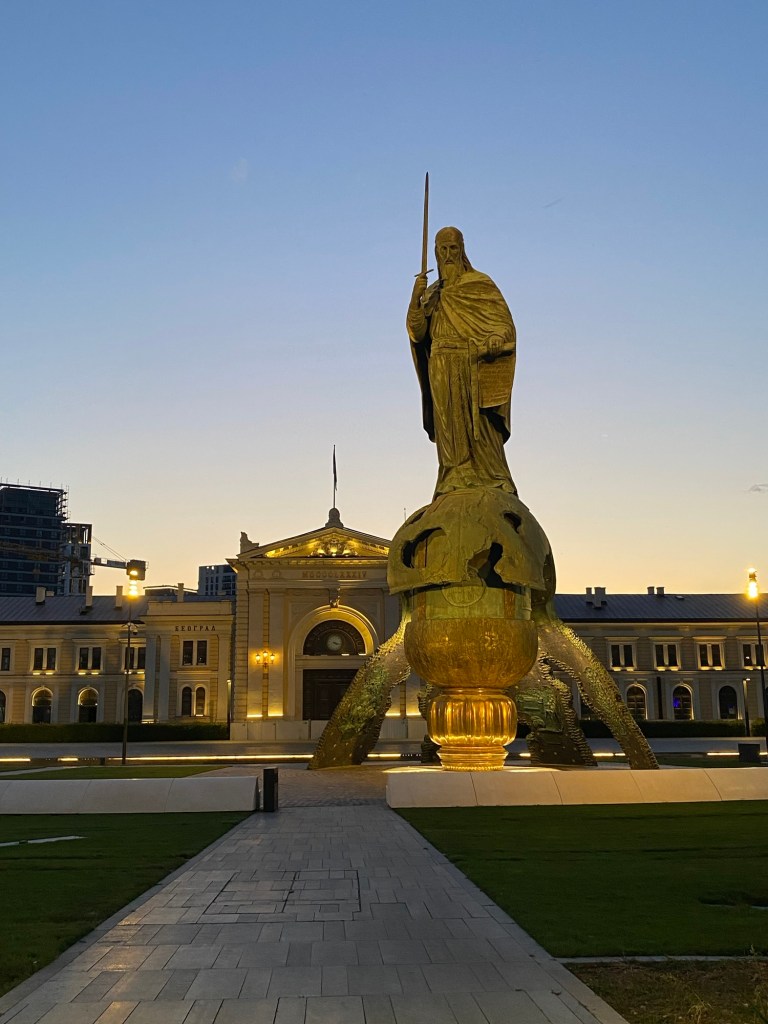
For my last evening in Belgrade I explored some of the parks and monuments I hadn’t seen, including walking by the Serbian Parliament.
 BorealHiker