On this trip I knew I wanted to Visit Kosovo, but thought that one other Serbian stop before I went there made sense. in looking at what was somewhat on the way and had things of interest I picked Nis. The birthplace of Constantine and a location that had a mixture of Roman, Ottoman and Serbian sites to visit.
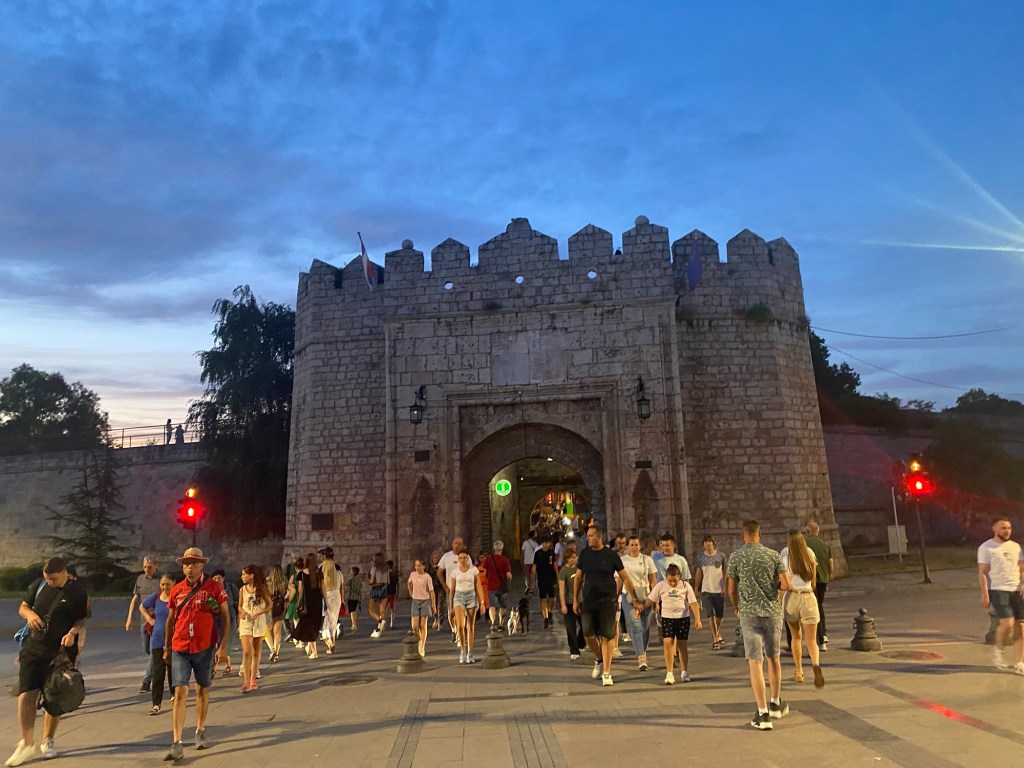
Nis is a city of around 80,000 people. It felt like a smaller city and one that wasn’t quite as vibrant and new as Belgrade. The sites were interesting. I did have a small hiccup that i arrived at 1500 on Sunday afternoon and the majority of the main tourist attractions were closed on Monday (a good reminder for me to pay more attention to what days I am travelling and which days places are closed).
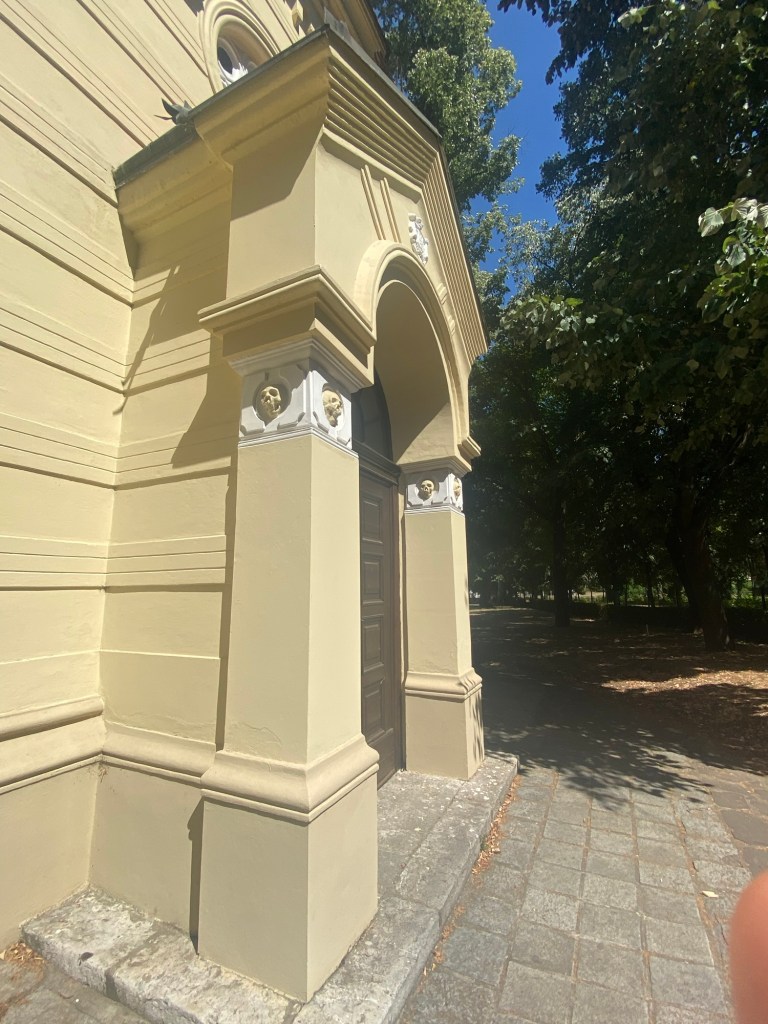
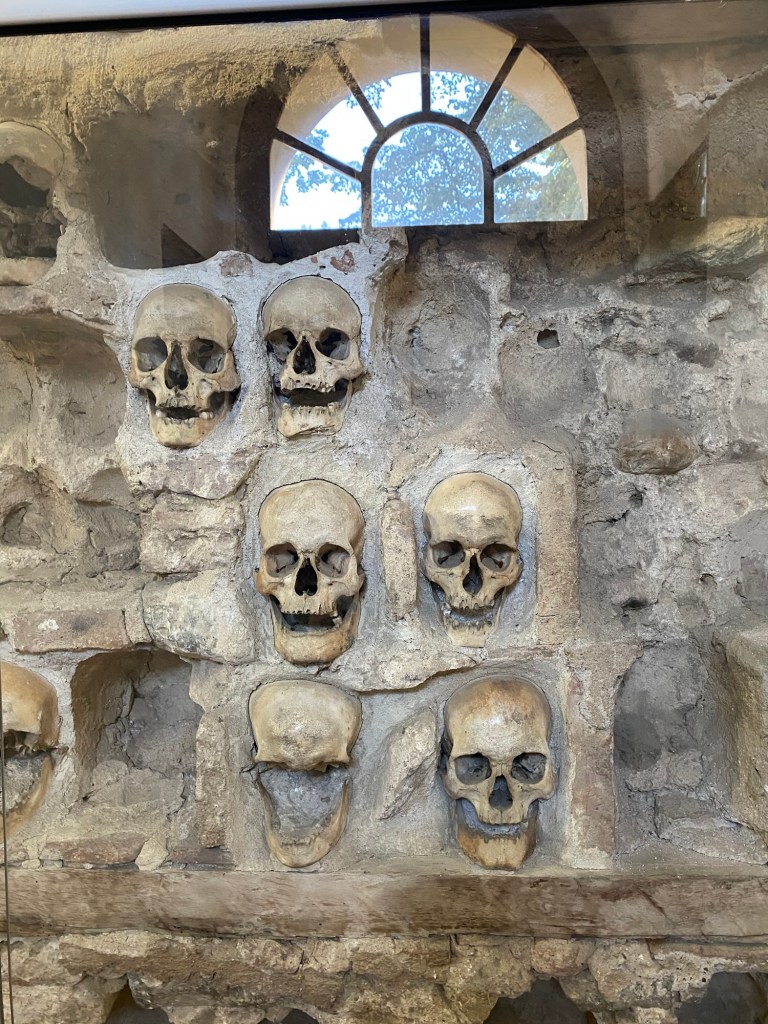
I went out to the Skull Tower site on Sunday afternoon but decided to save the rest of the activities for Tuesday. Skull Tower comes with a horrific story from Serbian resistance to the Ottoman Empire in the early 19th century. A battle occurred near Nis between those wanting independence and the Ottoman army. The Ottoman’s won the war but had a larger number of casualties than when compared with the Serbian losses. In anger for this, and as a warning against further rebellion, the Ottoman general decided to decapitate the Serbian dead, remove the flesh from their skulls, and build a tower along the main road outside of Nis. Apparently around 700 skulls were used in the original construction. Although the elements have had an impact on tower, you can still see a number of skulls embedded in the mortar of the tower.
On Monday, I took it a bit easy having picked up a bit of a cold, but did wander a few of the sites that were open every day. The Fortress of Nis was just north of the river that ran by the cities main pedestrian street. The walls were very well preserved from both Roman and Ottoman use although the structures were mostly in states of disrepair. I also walked to Bubanj Park in the evening to see a memorial to those lost in World War II at the Red Cross Concentration Camp. Three distinctive structures that resemble fists being raised are on a site where prisoners from the concentration camp were brought to be shot.
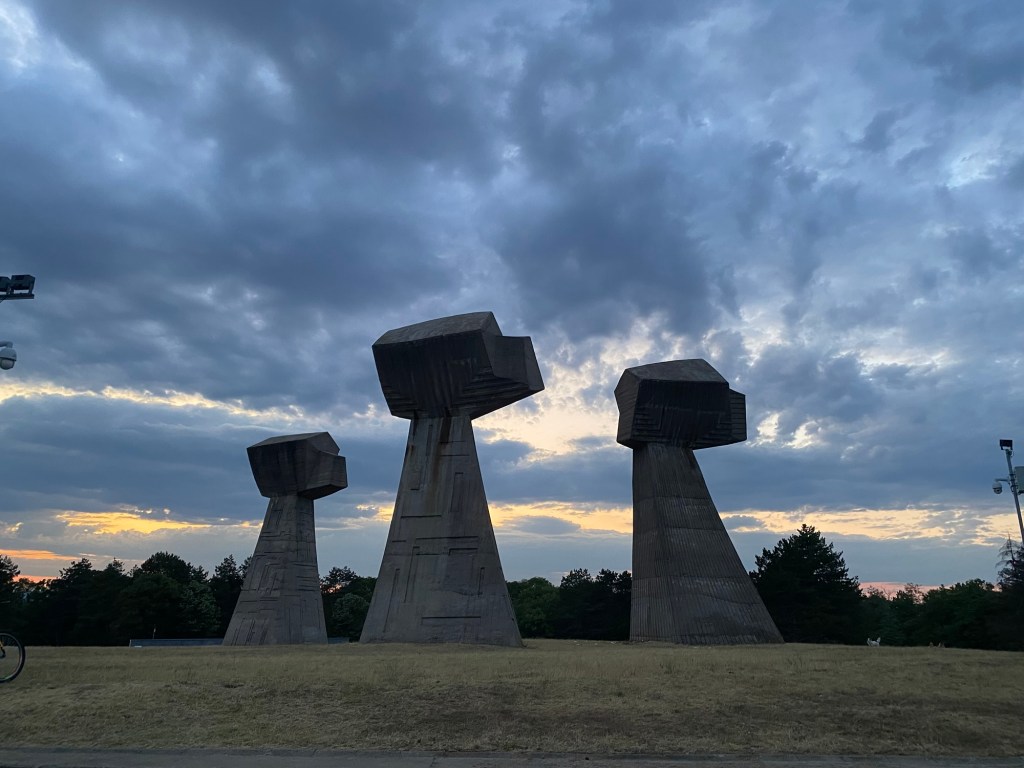
The. Red Cross Concentration Camp—called this as the Red cross local head quarters were across the street—was opened in 1942 after the Germans had taken over was is now Serbia. The Jewish population, political opponents of the German rule, and others were brought to the camp and kept under horrendous conditions, forced to do hard labour, and then many were taken out to Bubanj Hill to be killed. The museum on the site in an older building that was used to house the prisoners in the concentration camp tells the story with many person vignettes of people who spent time in the camp.
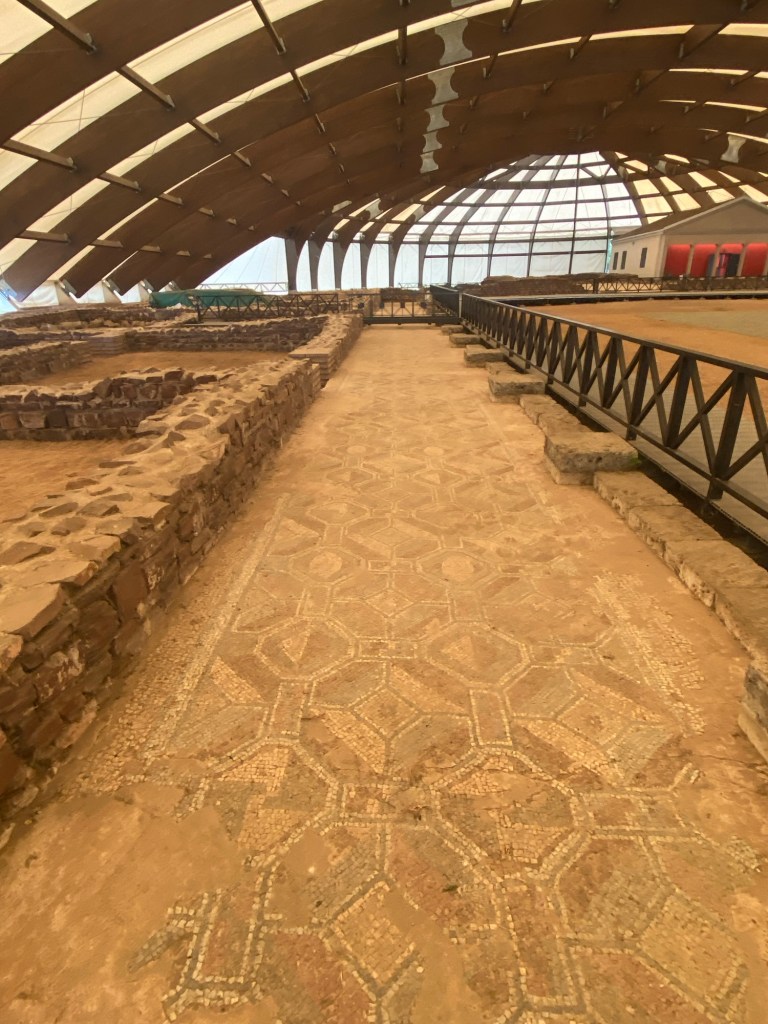
The other two sites that were included on a ticket I bought for 1200 RSD (about 16 CAD) were the Medijana and the archeology museum. These were connected by a large complex on the west side of Nis where excavation over the past century have revealed their remains of the Roman Town of Naissus. A covered dome structure at the Medijana protects a large home and baths that would have been part of the main building of a central square. Some of the floors have been repaired and cleaned and show the patterned mosaic work that is common in Roman ruins. The museum was small and highlighted the history of finds in the Medijana and other places around Nis.
I’m glad i got a chance to see Nis. At times it felt like a town very much like my home in Prince Albert, Saskatchewan, given its size and condition of buildings.
 BorealHiker