I realized that coming to Kosovo I have now visited 50 different countries. Although being in Kosovo has raised the question of what is a country. Over 100 countries recognize Kosovo as an independent Nation. Serbia, its neighbour and former partner within Yugoslavia, does not and this is the case with many other nations. I suppose this is me saying that I am counting it as a separate country (and also counting Vatican City, as that may also raise some questions).
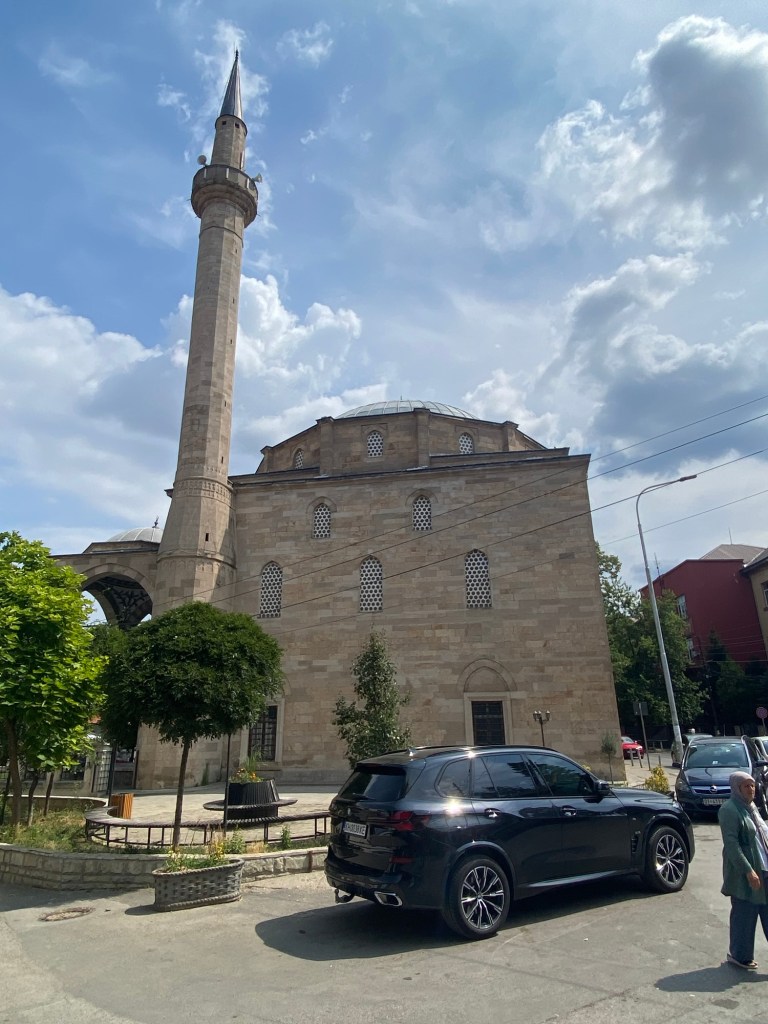
This was my full-day in Pristina, the capital of Kosovo. I joined a free walking tour and visited parts of the old and new sections of central Kosovo. I had known some of the history of the war in the late 1990s, but it was apparent how real this was to our guide. Adding the fact that Kosovo only achieved its independence in 2008, with some caveats for those who remained opposed to this, there seemed to be a clear desire to ensure that hard won freedom was emphasized. The guide made a point to speak to Rwanda, Gaza, and Ukraine as places where the Kosovars felt a sense of kinship through their struggles for independence.
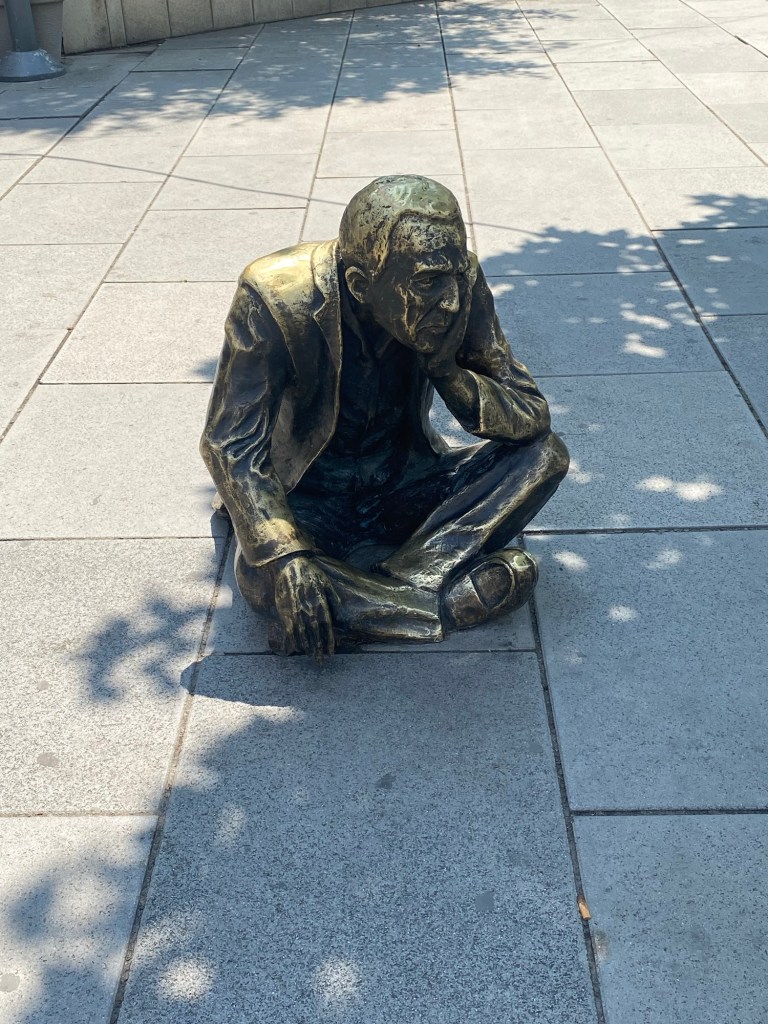
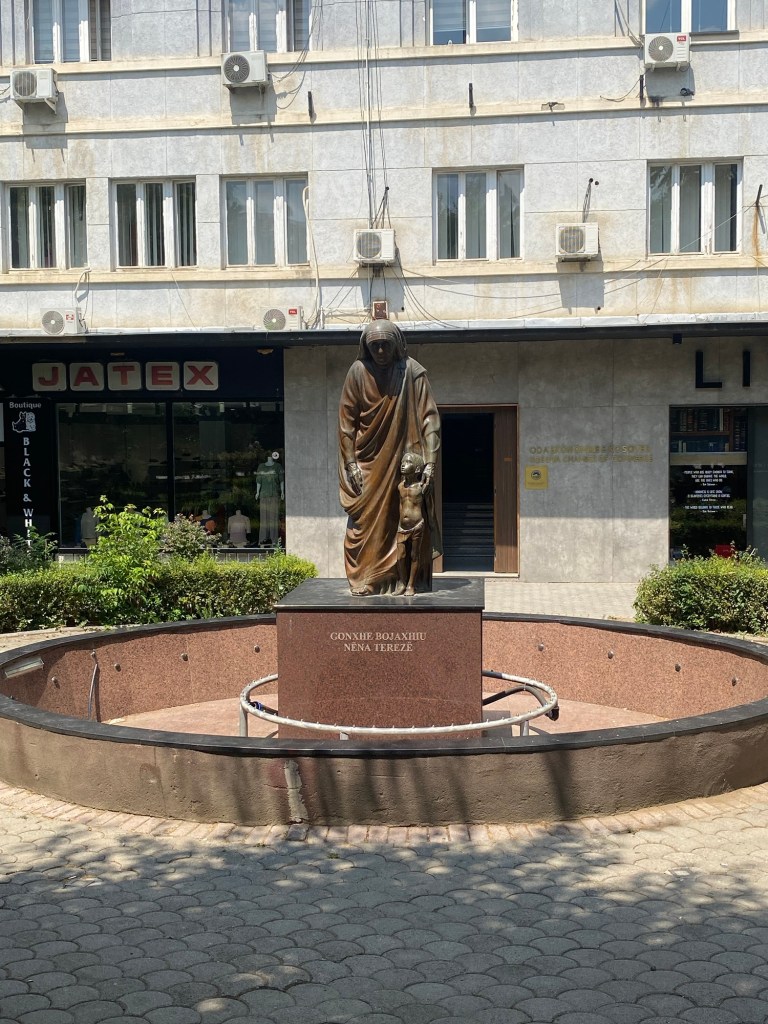
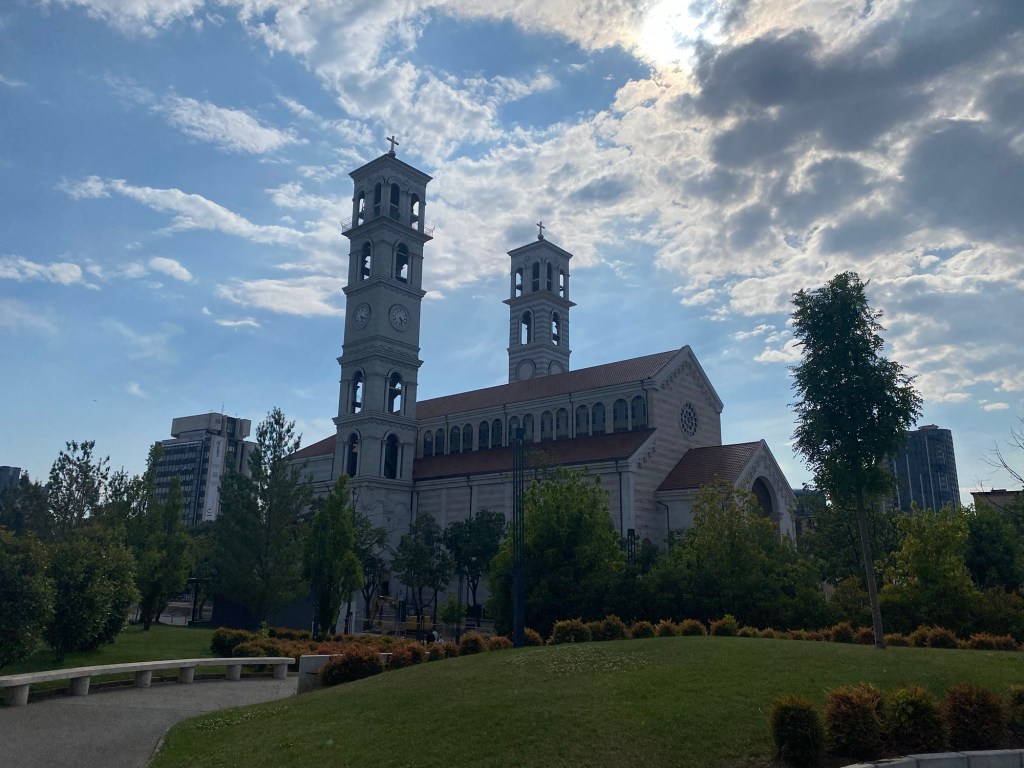
It was also interesting to be in a city/country where Muslims make up the majority. After seeing a couple capitals with their single mosque due to Orthodox Christian influences post the defeat of the Ottoman Empire. Kosovo had a much more open approach to the varied religions. In part this was likely due to years as part of Serbia with their Christian majority, but it also seemed strongly influenced by the passion that the Kosovars had for Mother Theresa, whose family had come from the Pristina area, although they had moved to Skopje, now in North Macedonia, before she was born. One of the major squares was named for Mother Theresa with her statue on the side of it. A large cathedral—at the corner of streets named for George H.W. Bush and Bill Clinton, no less—has also been built in the past decade and bears Mother Theresa’s name.
After the tour I went to a couple museums: The Reporting House and the Museum of the House of Independence. The Reporting House has a mixture of art and archival footage from the war in Kosovo in the 1990s. I was told by the guide that I would need over a month to listen to all the archival footage that they had rotating on screen throughout the building. It was a testament to the role that media can play in telling the stories coming out a conflict zone and how important the role is of independent media in being present to document what they see. The Museum of the Hosue of Independence was a request from the first President of Kosovo to have a place to document the process of Kosovo’s independence. It went from the history going back a couple millennium and the beliefs from multiple groups on what the rightful owners are of the lands of Kosovo, but the majority looks at the period from the early 1980s through independence of Kosovo in 2008 and the various things that helped and impeded the efforts for Kosovo to become self-governing and independent. it was an interesting and compelling museum.
 BorealHiker