I have spent the past couple days exploring Montenegro’s current and former capital cities of Podgorica and Cetinje. I was surprised by how much of the National historical items were in the former capital rather than Podgorica. At the suggestion of the hostel owner at Q hostel where I was staying in Podgorica, I was encouraged to visit Cetinje on a day trip from the capital if I wanted to learn more about history.
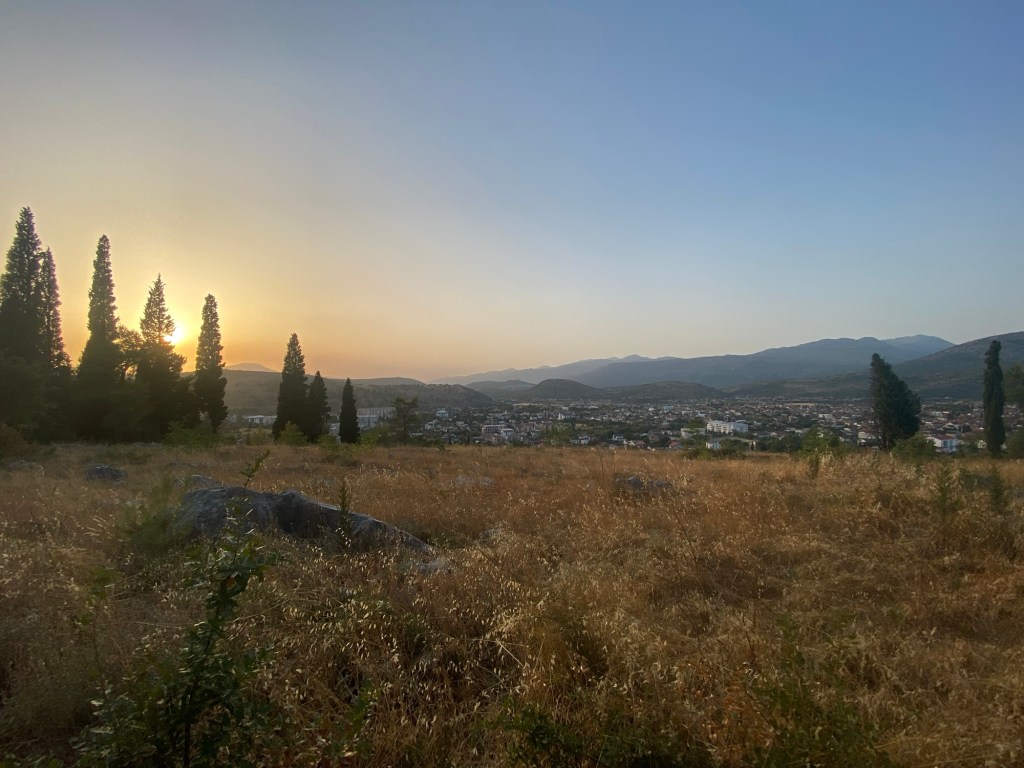
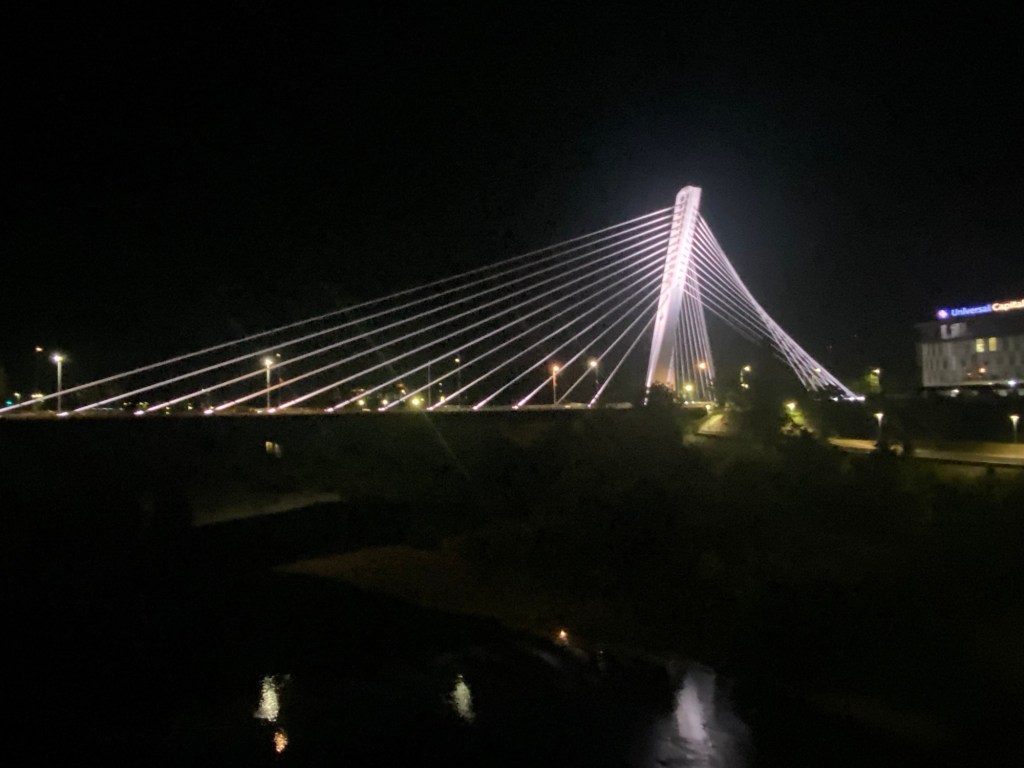
Podgorica is a bustling capital of one of the smaller countries in the Balkans. I was told that the “old city” was actually relatively new following the destruction of buildings through various Balkan and international conflicts over the past century. The country is very mountainous and the capital is on a relatively flat area of the country next to the Musis River that cuts through the heart of Podgorica. The Gorica Hill has been made into an urban park but serves as a high point that locals and visitors can climb to get a view of the city (if you can find a viewpoint through all the trees). I visited the Podgorica City Museum and Art Gallery to get some general history and see a collection of local 19th and 20th century art works that make up the collection. It was a nice city to wander and had a few nice coffee and drink places to relax on what was a very warm couple days.
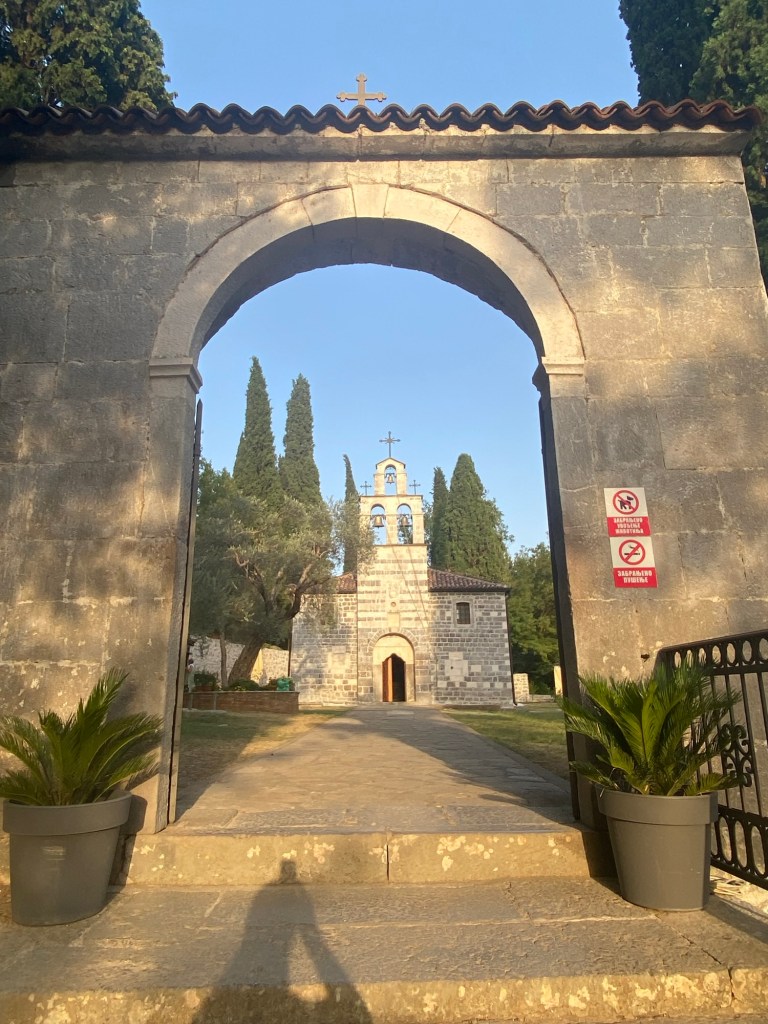
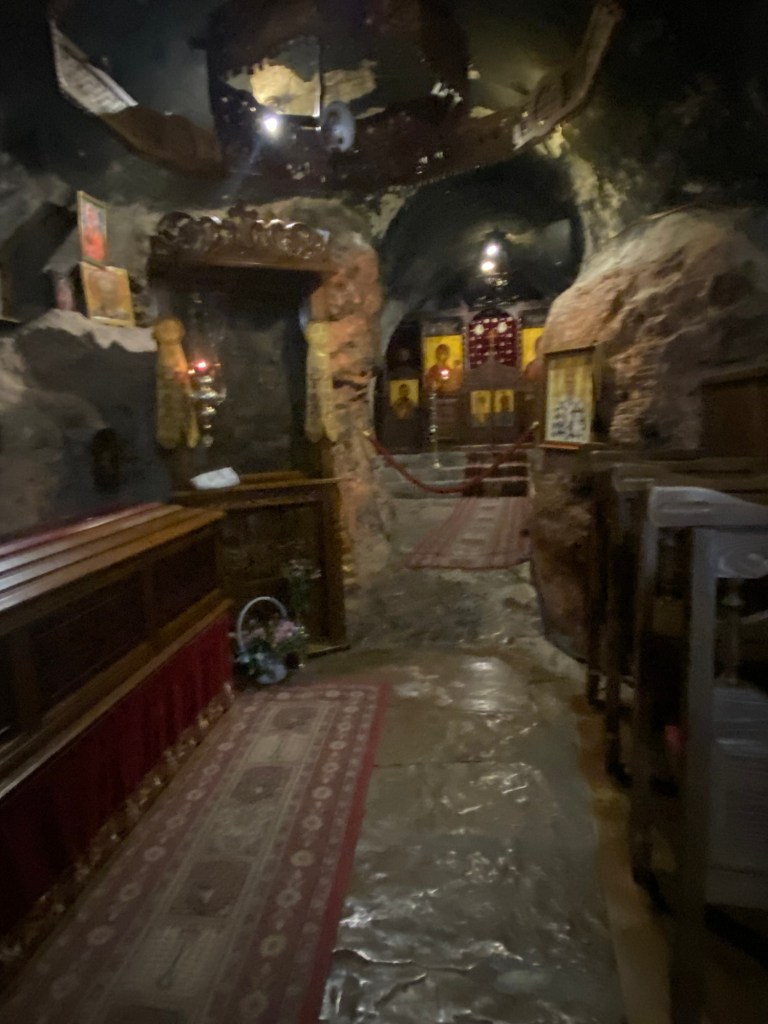
Taking the advice of my hostel host, i decided to explore a bit further a field. First I went just to the city limits by bus and walked to a monastery called Dajbabe. It was made famous as a monastery as a local priest, Simeon Dajbabe, in the 19th century had a vision to create a church in a hill where a natural cave “in the shape of a cross” existed. It was painted by local priests at the time and has the claim as a place where multiple miraculous acts have occurred. A monastery had developed around it over the past two centuries and it remained active with a little store where I bought some of the food items that were on offer. The church was the focal point. You enter what feels like a typical Orthodox Church entry way before ducking down to enter the caves that make up the Church of the Assumption of Mary. It was fascinating to see the natural formation and work done to create this church out of the cave. The body of the original priest was laying in one part of the cave and attracted a number of visitors even in the short time I was present.
The other trip was a 40 minute drive to Centinje. I realized I should have spent more time in this former capital as it had a series of museums and many older buildings that Podgorica didn’t have as readily available. I was able to attain a greater sense of Montenegrin history from the visit despite the abbreviated nature. Centinje was central to this history as a place where rulers from the early 18th century through the dissolution of the Montenegrin monarchy around the time of World War One. For the first hundred years the monarchy was a vassal of the Ottomans before a Prince Bishop based in the Centinje Monastery led the Montenegrin tribal leaders to revolt and, with support of the Tsar of Russia, set up a more independent Orthodox nation.
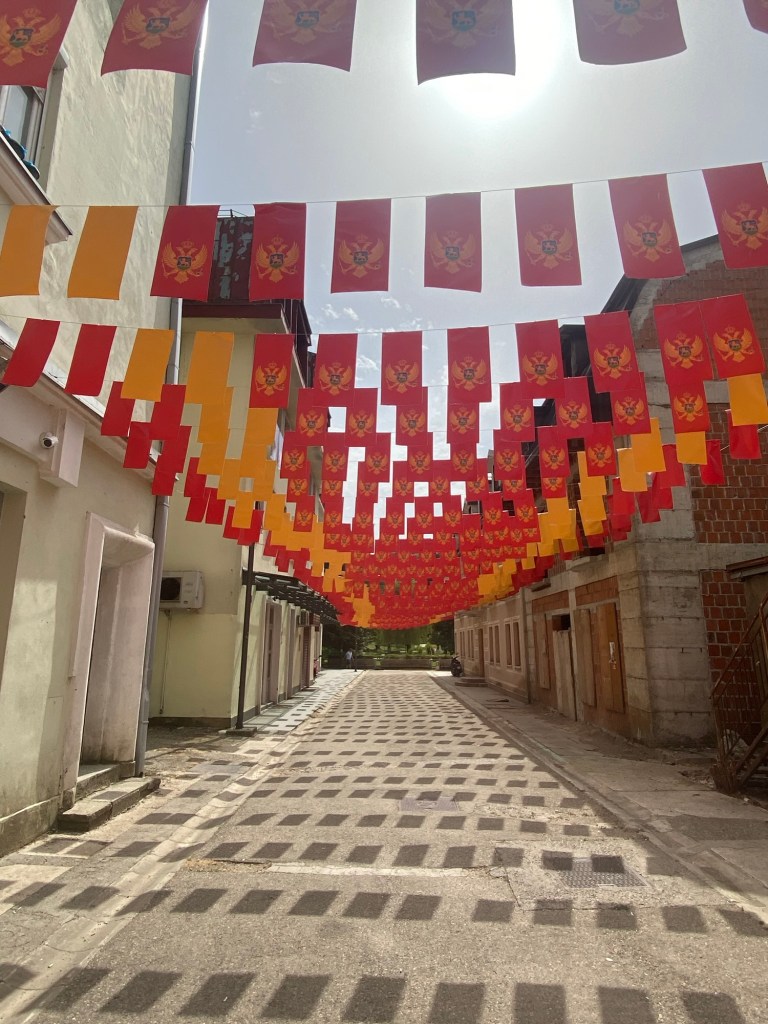
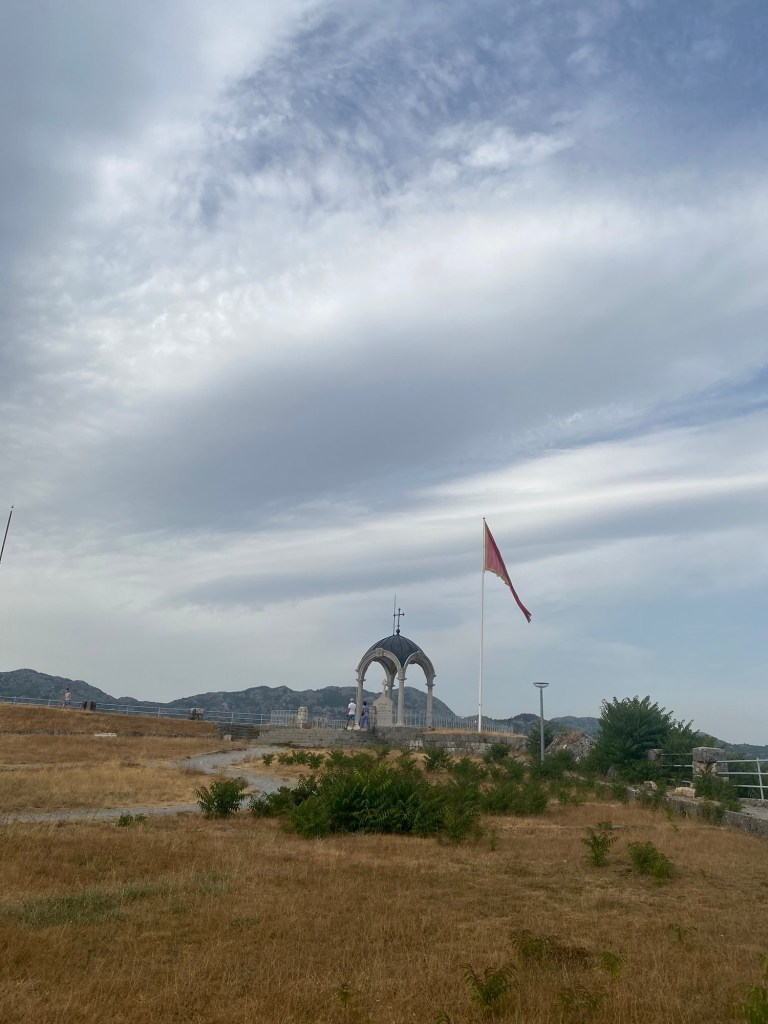
Centinje’s old centre included many old embassies and national state houses, including the old Parliament and Prince’s residence, both of which are now museums. Eagle Rock was on a small hill overlooking Centinje where the remains of one of the monarchs was entombed with a view over the town of Centinje and with the hills of Lovcen National Park behind it. Definitely Centinje was an enjoyable visit and a place I wish I had a bit more time to visit.
 BorealHiker