As I sit in my bus taking me away from Sarajevo, I am reminiscing about the five days I spent in the capital of Bosnia and Herzegovina. It was a city with a lot of history and a desire to tell its history in a way that I haven’t encountered in my trip through the Balkans. It also seemed that there was a lot of pain just below the service and that old wounds weren’t healed.
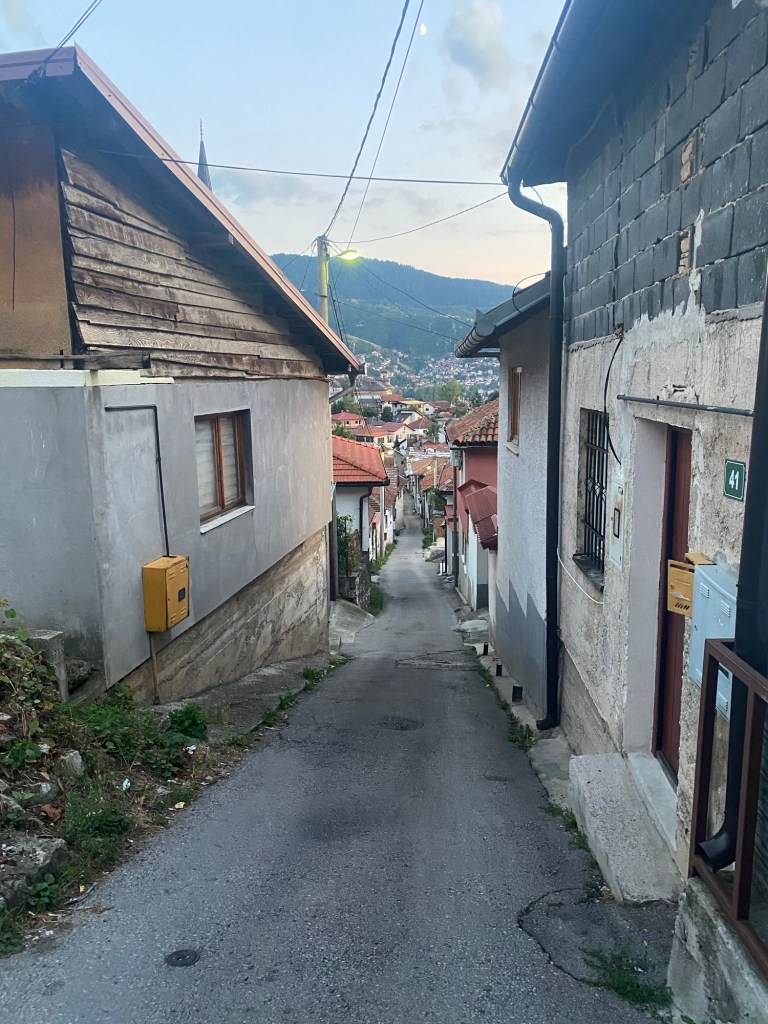
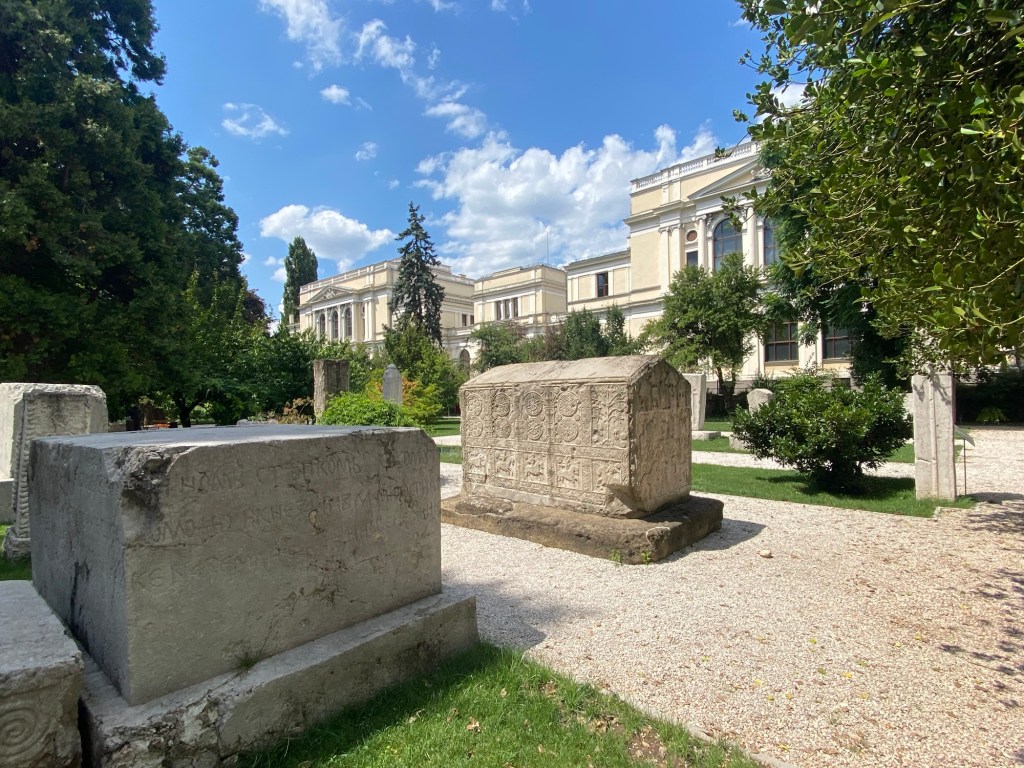
I arrived late on August 30th. I basically got to my hostel, up the hill from the old city, and got settled in. I had booked a tour for the following day and had a desire to check out some of the history museums. On the 31st, I started my education on Sarajevo and Bosnia and Herzegovina. My morning took me to the History museum of Bosnia and Herzegovina, followed by a visit to the National History Museum that was right next door. These two museums allowed me to take in history from pre-Bronze age right through the Siege of Sarajevo. The Siege was a major part of the History Museum, while the National History Museum went back in time and told the story from ancient history, through Greek and Roman rule, Medieval Bosnian monarchs, and the Ottomans rule. Both were interesting. The afternoon tour covered the central old city, particularly focused on the Ottoman rule and the role that Gaza Hursev played in developing the Old City, which can still be seen today with buildings he supported constructing including the Grand Mosque, Madrassah, Caravansai (hotel), and marketplaces. In addition to this was the history of Roman Catholic Croats, Orthodox Serbians, and the Jewish population that came from the Iberian peninsula. Intertwining this older history was the stories of the Battle for Yugoslavia and the Siege of Sarajevo. It was a fascinating couple of hours with the Free Tour.
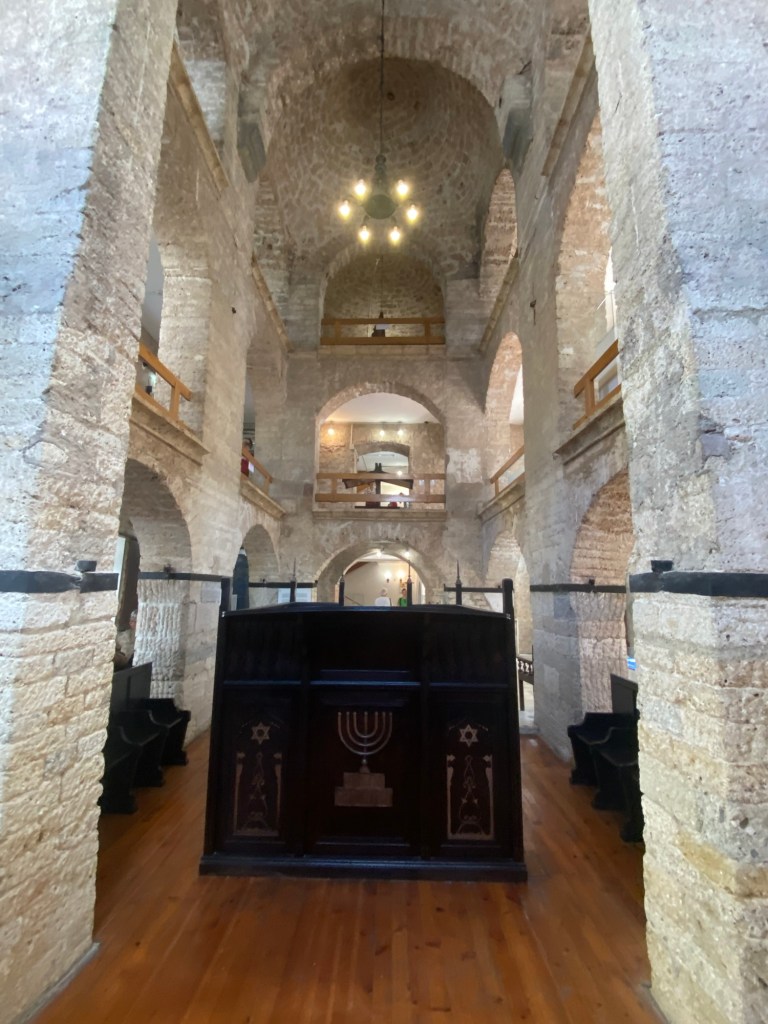
On my second full day, I dug a bit deeper into the more recent history. Stopping at various museums in the central core. The museum of Sarajevo 1878-1918 covered, as the time frame would indicate, the pre-world war one situation in the Austro-Hungarian empire leading to the assassination of Archduke Franz Ferdinand. The museum is conveniently located on the corner where the Assassination took place. A replica of the care that the Archduke was been driven in and the footprints of where Gavrilo Princip took the fateful shots are just outside the doors to this museum along with a plaque commemorating the event (we were told that the plaque had been changes multiple times over the years based on whether people in power were supporters of the archduke or his assassin). From here I visited the Jewish synagogue, now a Jewish Museum, between all the conflict of the past century and a half, a very small Jewish population remains, but the Sarajevo Haggadah remains a special document that was highlighted at this museum along with the history of Jewish people in Bosnia and Herzegovina. The remainder of the day was spent exploring three museums I could get on one ticket: The Museum of the 1980s; the Siege of Sarajevo Museum; and, the Museum of the Crimes against Humanity and Genocide. The woman at the ticket counter in the Crimes against Humanity and Genocide museum, where I was starting, suggested ending the day at the Museum of the 1980s as it was a more positive way to end the day. She wasn’t wrong. The other two museums focussed on the Bosnian-Serbia war—one looking more broadly at the ethnic cleansing behind the Serbian-led actions and the other on the experiences of people living under Siege in Sarajevo during what ended up being the longest modern siege of a major city. Both museums focussed on personal experience and anecdotal evidence of people who had lived through the War and experience the horrors and atrocities. This made it both compelling and overwhelming as almost all available surfaces had either images, items, or quotes from those people who lived (or died) during the war. The sheer brutality was often stated in factual ways that left me feeling drained after almost five hours of reading through the displays in these two museums. The Museum of the 1980s was very different. It took an old apartment and remade it in the image of a typical house in that decade, along with countless explanations of what life was like in the final decade of Yugoslavia. Although generally a very positive look at life—I could see some Bosnia tourists enjoying the memories of things they had in their homes as well—there was the occasional reminder of the surveillance state and challenges with economic uncertainty under the communist state of Yugoslavia. Definitely this was a full day but gave me a deeper insight into the country I was a guest in.
I will write separately about my third day of visiting Herzegovina on my third day.
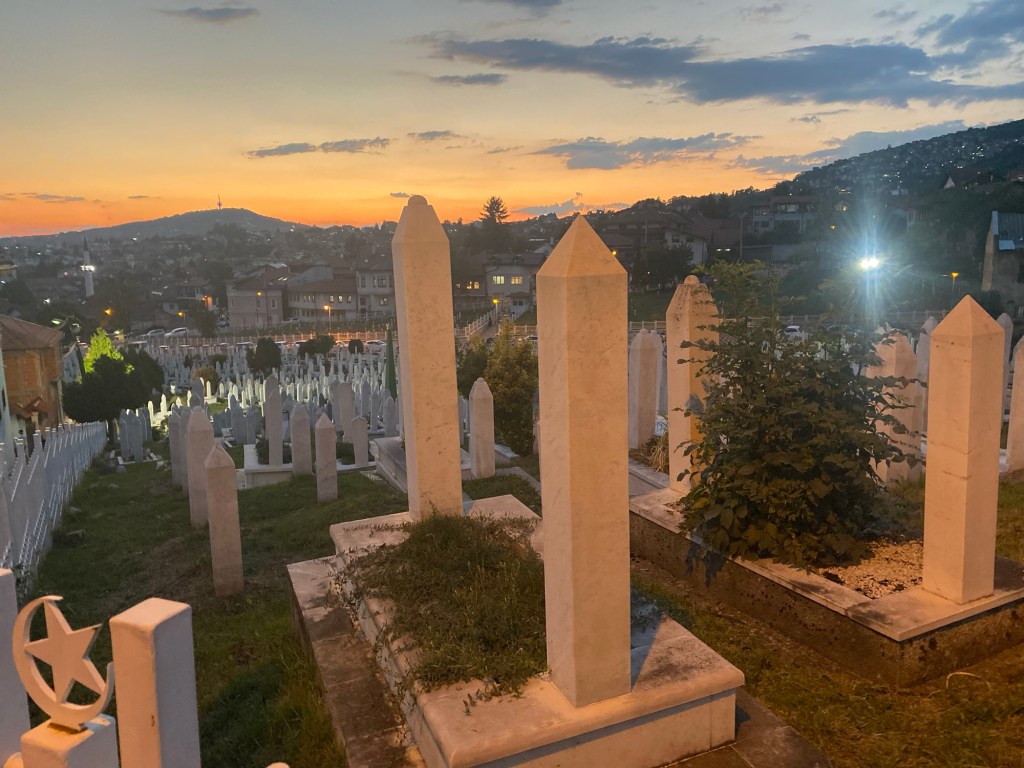
My last full day in Sarajevo, I decided to take in another tour. The Meet Bosnia tour group did excursions and tours inside and out of Sarajevo. After a fellow Canadian on my free tour raved about the “Siege of Sarajevo” tour, I thought it would be good to experience this. This tour basically took you outside of the old city and showed you other parts of the city and shared stories of what was happening and the impacts of it. We were shown Sniper Alley and told about the risks of snipers and other projectiles being shot into the city from the hills around Sarajevo where the Serbian forces had surrounded the city. The emphasis on the thousands of people killed through the war, including 1601 children, was part of the compelling story of the risks. We were shown grave yards that were all victims from the war, including one that was previously a practice soccer pitch that had been repurposed. From the higher vantage of the Yellow Fortress, our guide pointed out key buildings that were demolished including the City Hall/Library, the water plant, the twin towers formally know as the Friendship Towers that were built to symbolize the harmony of the two major ethic groups in true pre-war days, and the maternity and pediatric hopsital, blown up to maximize terror in this vulnerable population. The tour went out to the Tunnel of Hope near the airport where a group of citizens had dug out a tunnel under the airstrips—controlled by the UN peacekeepers during the war—to allow those in SArajevo to have a link to Bosnia controlled territory on the far side of the airport. This became a life line for those living with limited resources within the city. It was interesting to wall through the replica tunnel and get a sense of what it may have been like for the hundreds of people forced to use this route. The final site was to go to Trebevic Mountain, a site of the 1984 Olympic bobsled track, and an example of how Serbians were using the high ground to enforce the siege and attack the citizen of Sarajevo. All in all it was a compelling story about the experience and impacts of the war on Sarajevo.
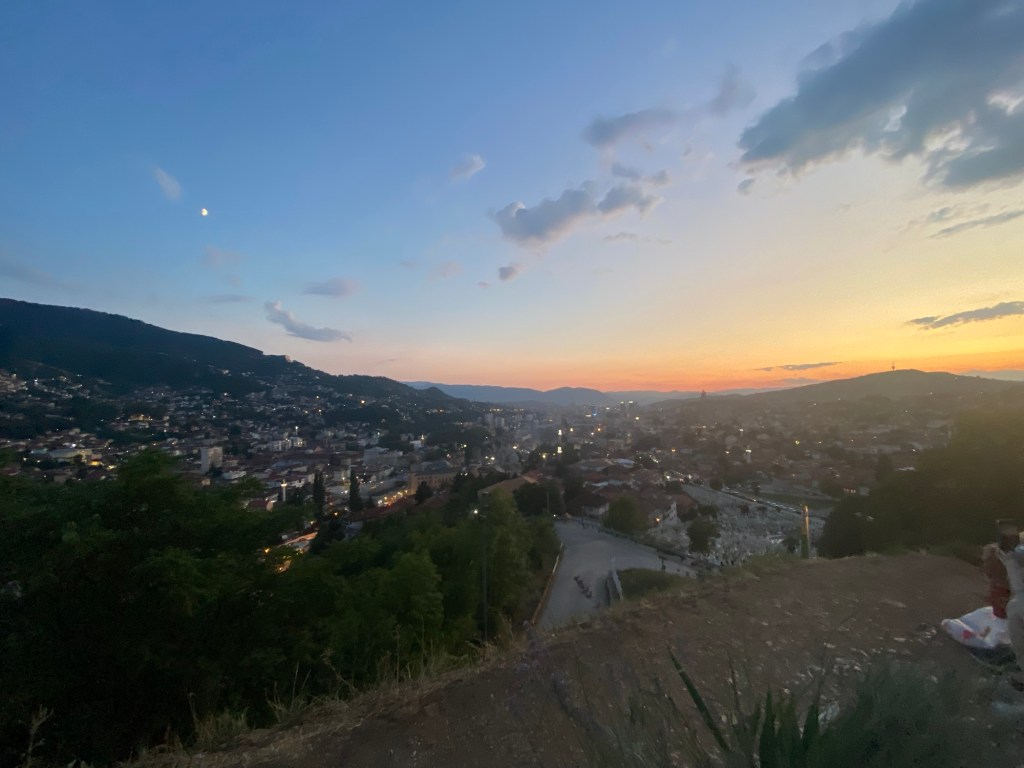
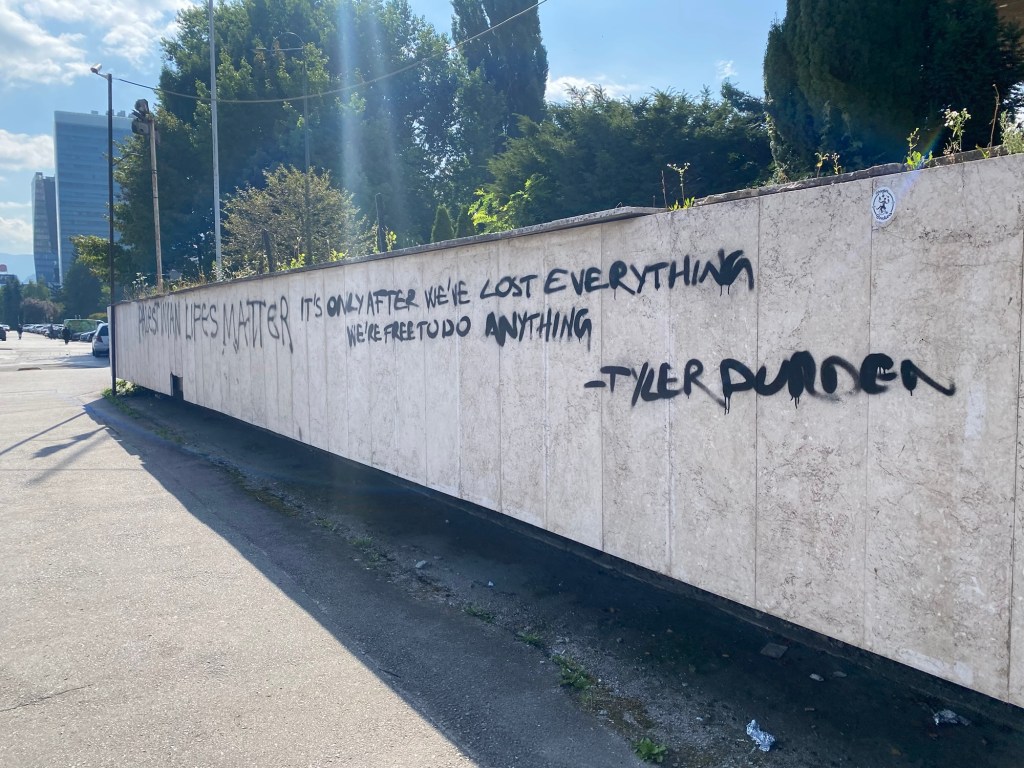
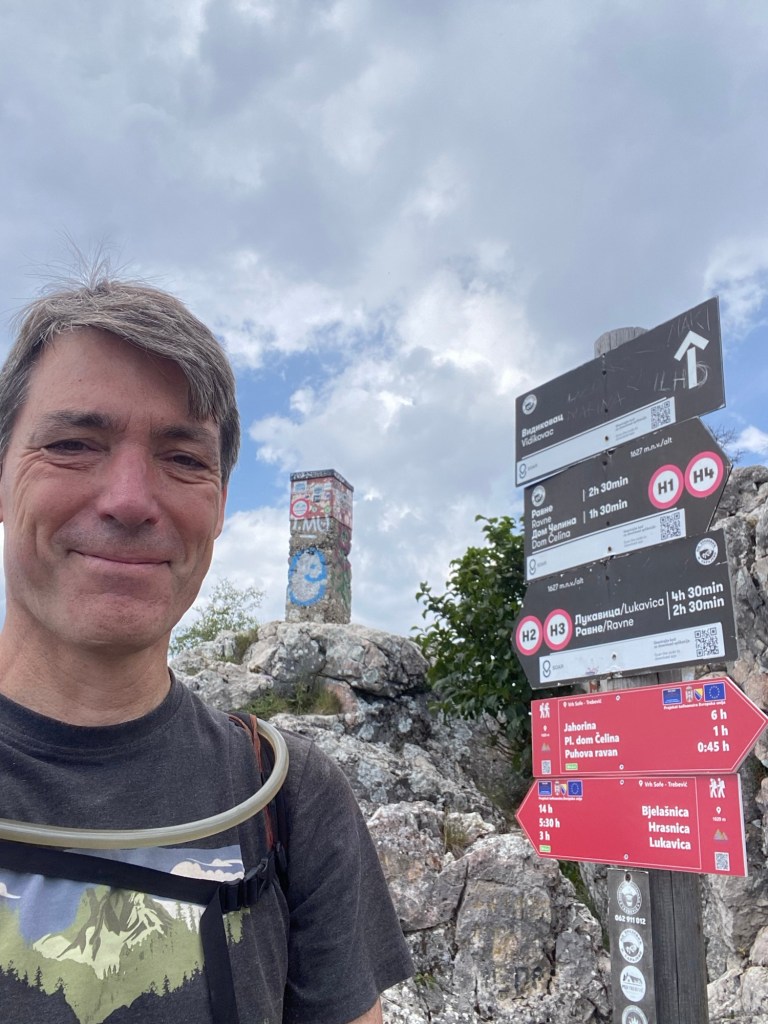
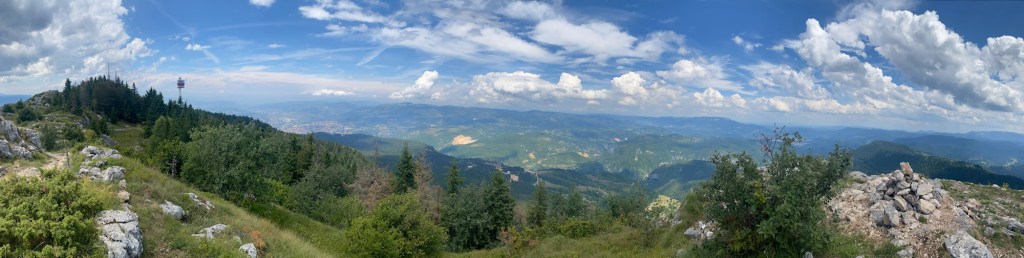
I took advantage of being on Trebevic Mountain to explore a bit further. Hiking and biking trails up the mountain allow you to get the pinnacle of Trebevic and see an 180 degree panoramic view of Sarajevo and the surrounding valleys. A steep and steady climb, it was well worth the reward. I then headed back down into Sarajevo on a route that left me at Austria Bridge for a final night to enjoy the hospitality of the city.
 BorealHiker