I met up with my partner and her family in Budapest and then missed providing any updates for the past two weeks. We had a good time exploring Croatia but I realized that there are less lag times when you are travelling in a group than when I am alone in my travels. Likely this is why I am writing now that I am alone again.

Croatia was one of those countries I had heard a lot of positive things about but did not really know much about. In learning about the country I ended up focussing on two parts: the Plitvice Lakes National Park and the Dalmatian Coast. The former was due to brilliant pictures of the blue lakes and magical waterfalls; the latter was due to my partner’s family wanting to see the coastal areas so they could spend time on beaches.
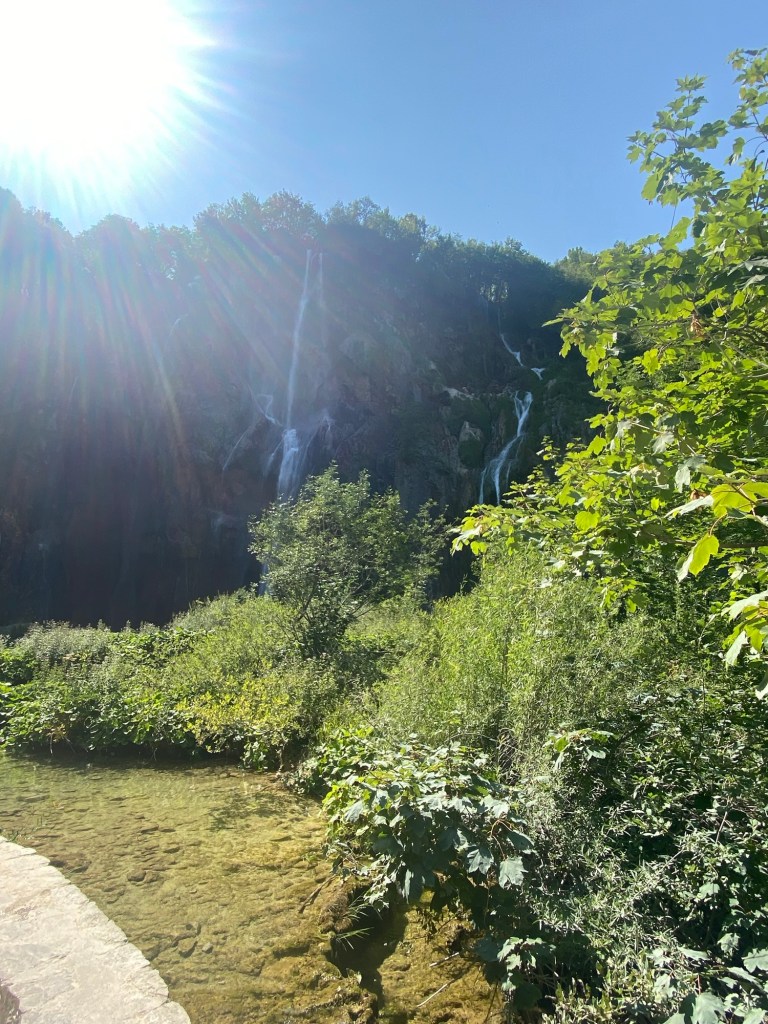
Plitvice did not disappoint. Arguably we rushed a visit by having it be a stop on a drive from Budapest to Split. This meant that we had two hours to see what we could. We chose to do the recommended path B that the park has. This allows you to see the lakes and the waterfall. What we didn’t know was that it was best to do this clockwise, heading to the top of the lakes (there is a bus you can take for part of the way if you don’t want to walk). Then taking a ferry across the upper lakes and walking down to the waterfalls. As we hadn’t done our homework, we followed the crowds and, although the brilliance of the part was still very apparent, we had a thirty minute wait in the line to catch the ferry across the upper lake. Despite this, the visit was rewarding and the brilliance of the clue blue lakes and misty waterfalls was a highlight of my time in Croatia.
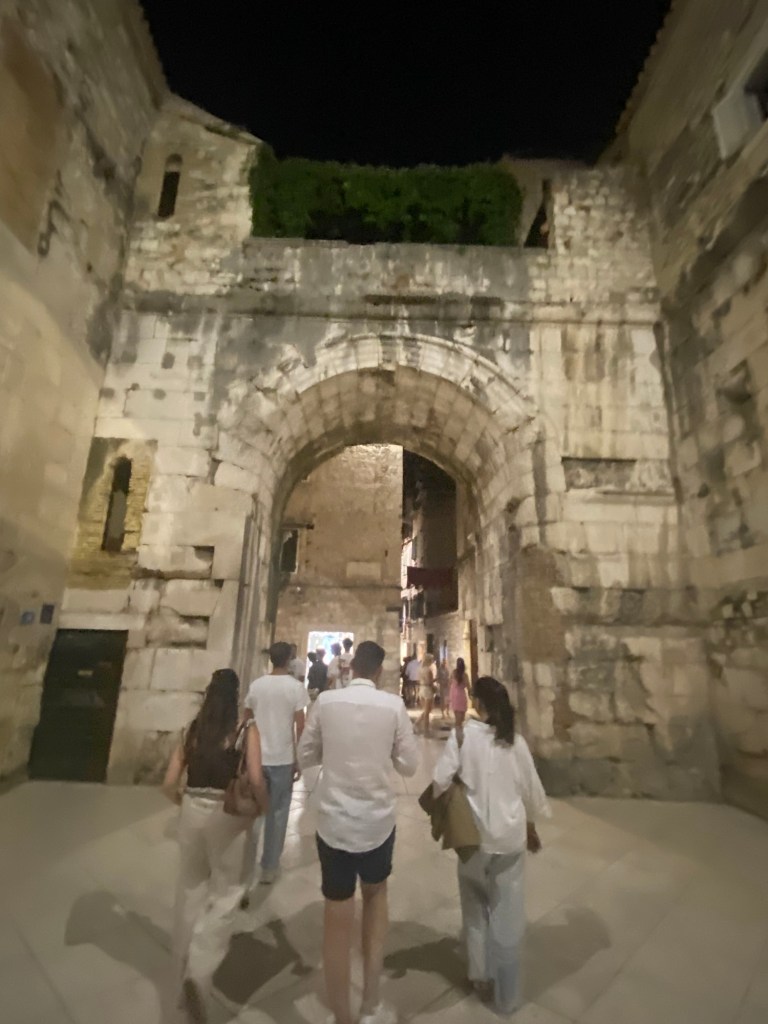
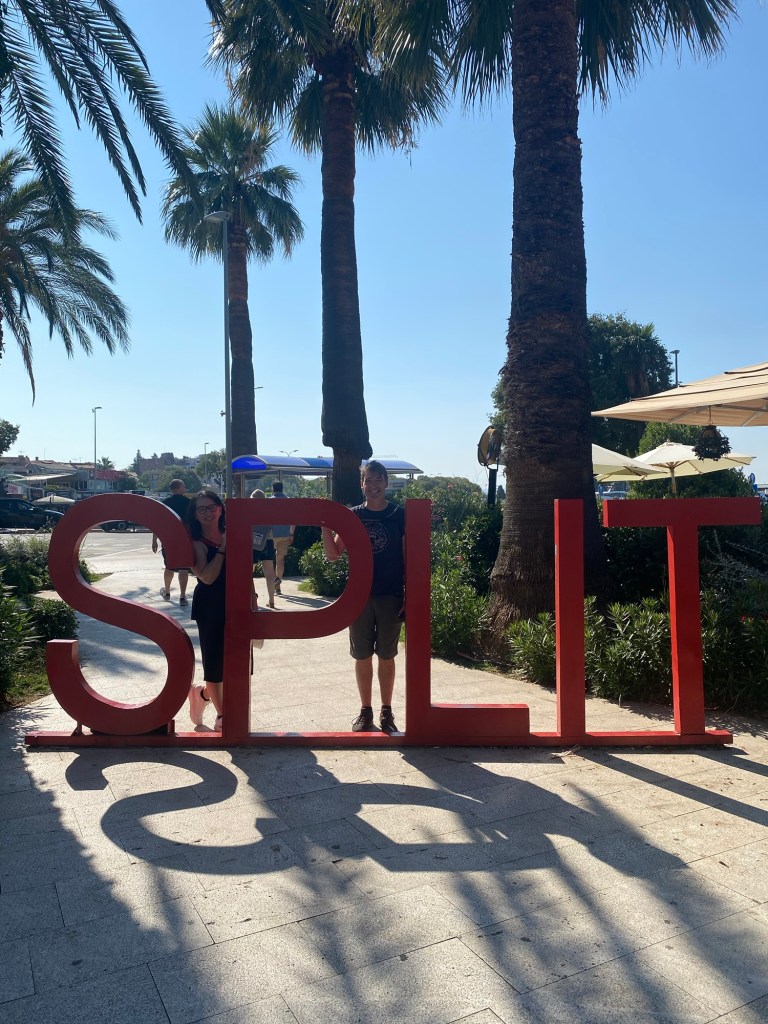
Split was our next destination. We had an AirBnB that was about twenty minutes walk from the Diocletian Old City that is on the Sp[lit waterfront. The well preserved old town was great to walk through despite being a bit of a warren of streets that had us lost for a while. A tour the following day allowed for Jenny and I to learn more about the city and the history of Split and the Dalmatian Coast. The history went back to Roman times with the peak being when Emperor Diocletian built his retirement castle on the Split Coast. The tall fortress like Old City is still a remnant of the Roman Town that was Diocletian’s home. The movement post the Romans to embrace Christianity ended up with many of the temples and buildings that Diocletian, a strong opponent of the young Christian religion, to be repurposed once this change had taken hold. This included the loss of his mausoleum which his body was removed and lost to history.
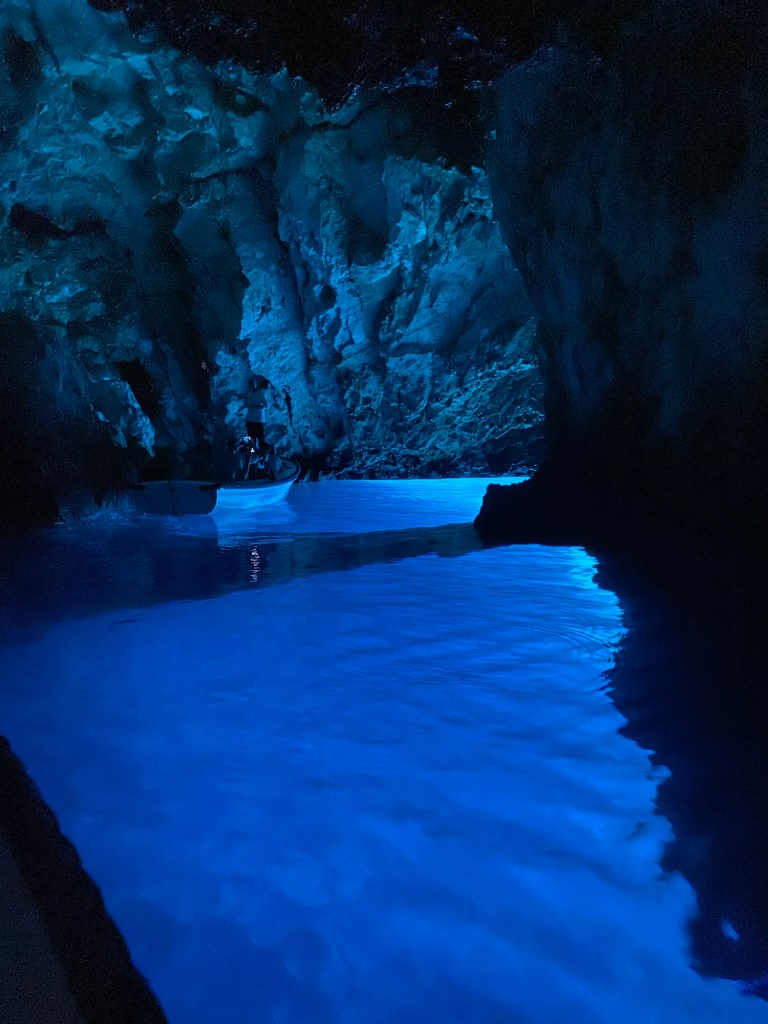
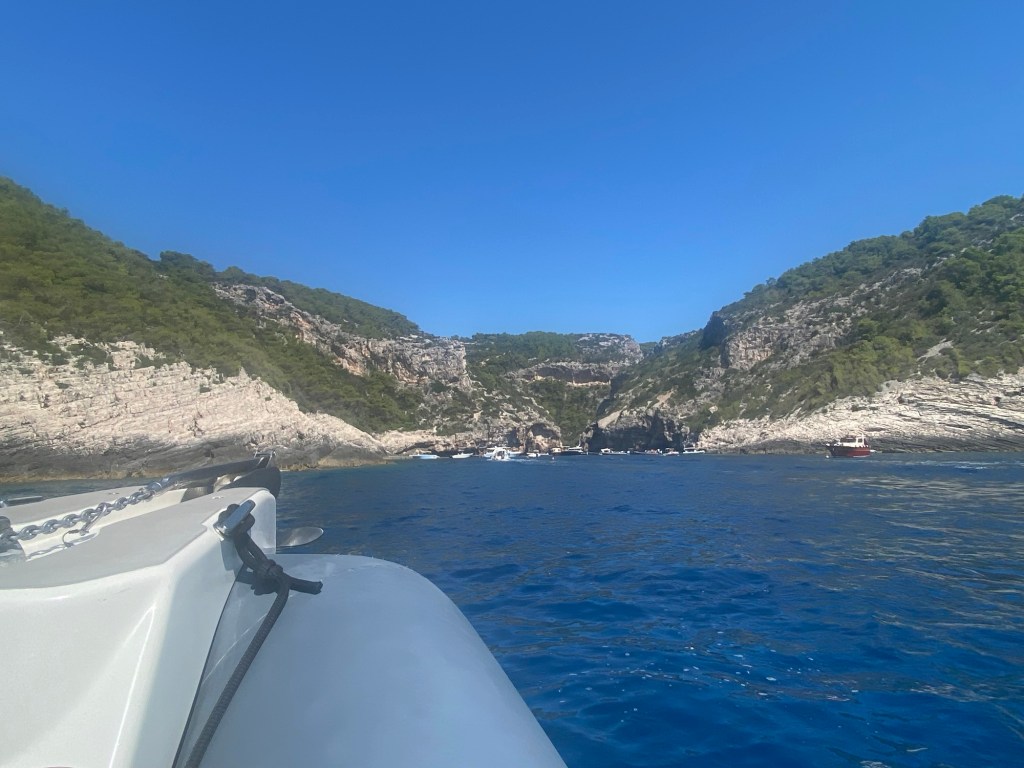
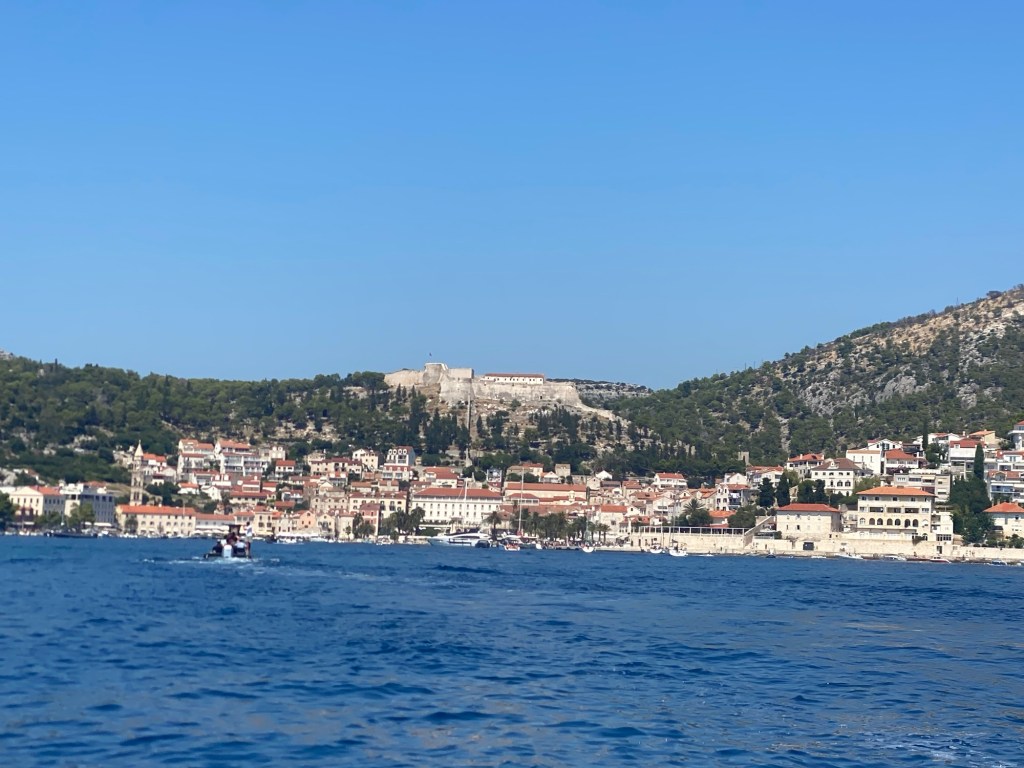
From Split we did a day trip to some of the islands. This included an early morning start to beat the rush to the Blue Cave, a cave that you have to enter by boat on a small island just past Vis. The cave is lit up in blue from an underwater cave where the the light bounces off the floor of the Sea where crystallized glass send back the rays to the cave giving the cave its colour and light. Although the time in the cave is brief given the demand, the experience was impressive. From here we went for breakfast in Komiza, a small town on the island of Vis. Our boat then dropped us off at a couple beaches to swim and get out of the heat in the Adriatic Sea. At the end we went to Hvar for a couple hours to see this town on its eponymous island. It was a full but good day.
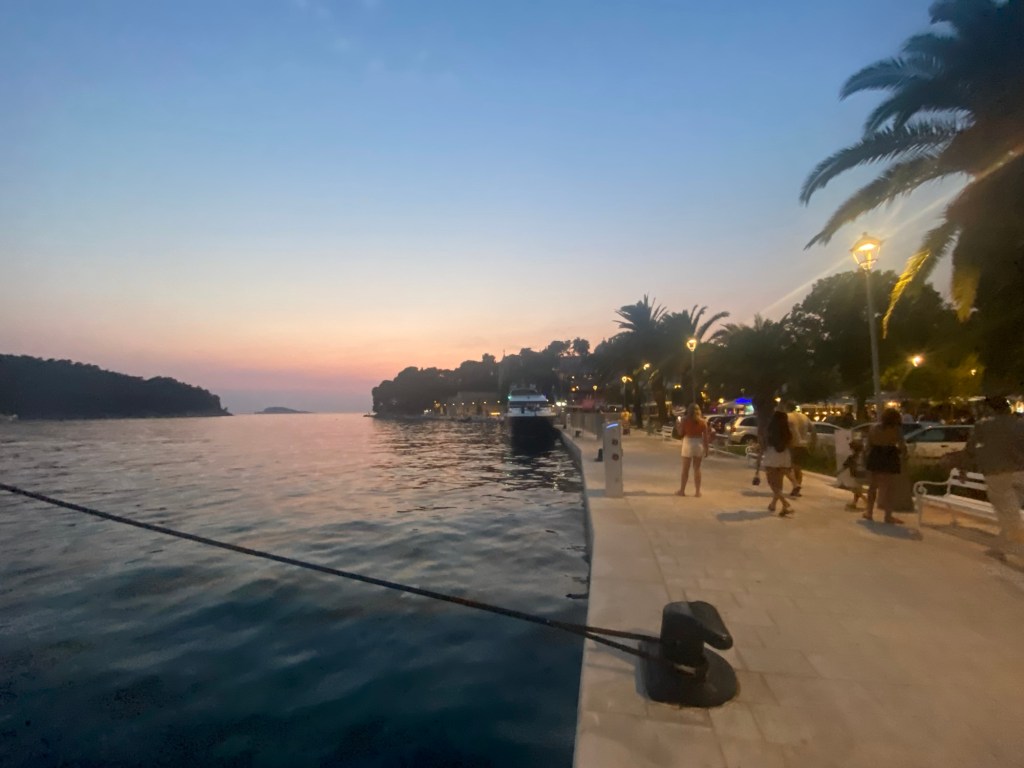
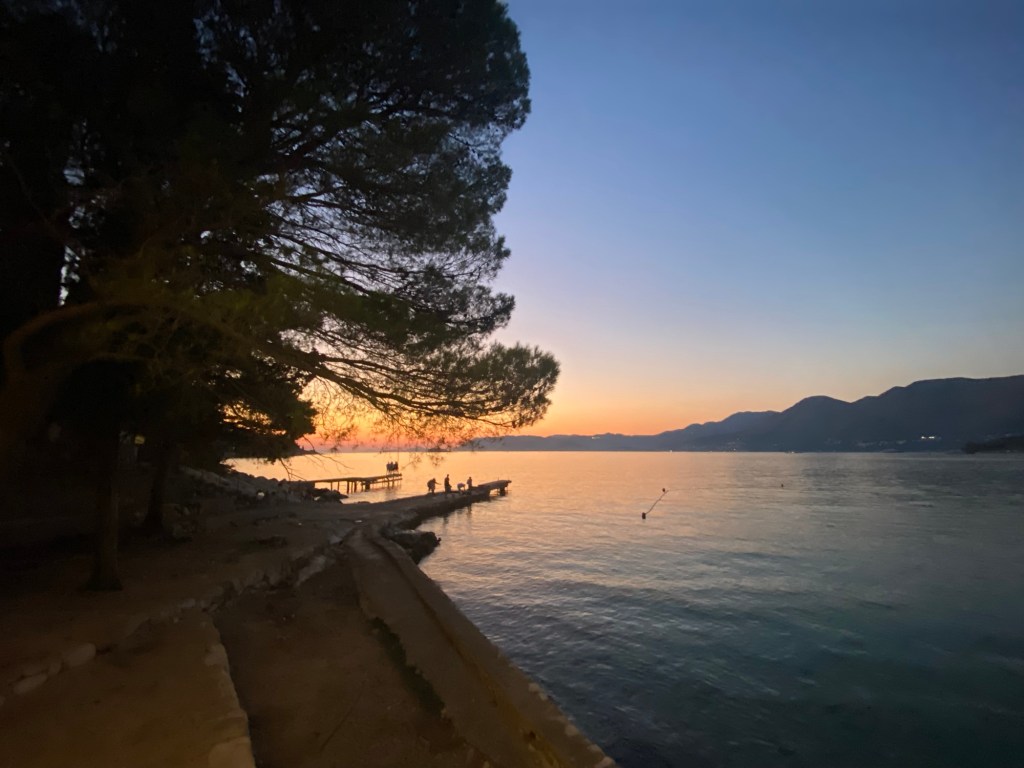
We headed south in Croatia to stay at the small coastal town of Cavtat. This location was chosen as Dubrovnik was nearby but we had heard that this town was often very busy with tourists. Jenny found a beautiful AirBnB with a pool that allowed for us to have respite from the 30 degree weather even if we didn’t want to walk down to the beach. We were a 10-minute walk from the waterfront and 30 minutes from the old town of Cavtat. From the waterfront we were able to catch a ferry that took us around 40 minutes to get directly into the harbour of the old City of Dubrovnik. It was a great place for some relaxation and to do the site seeing into the town of Dubrovnik.
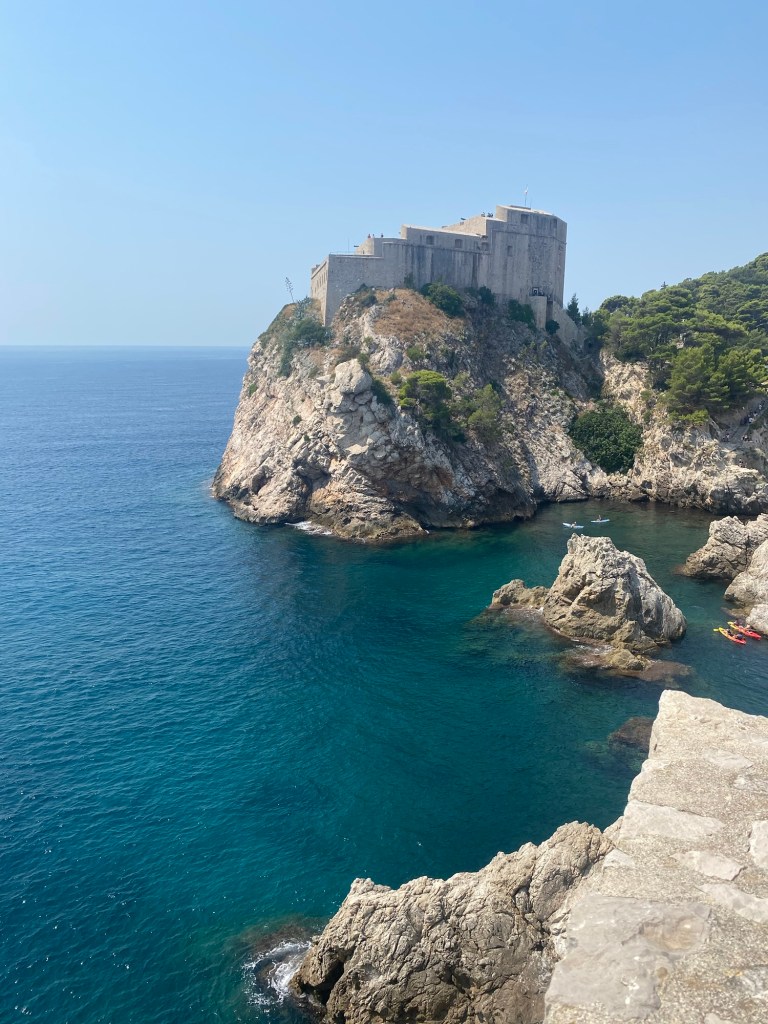
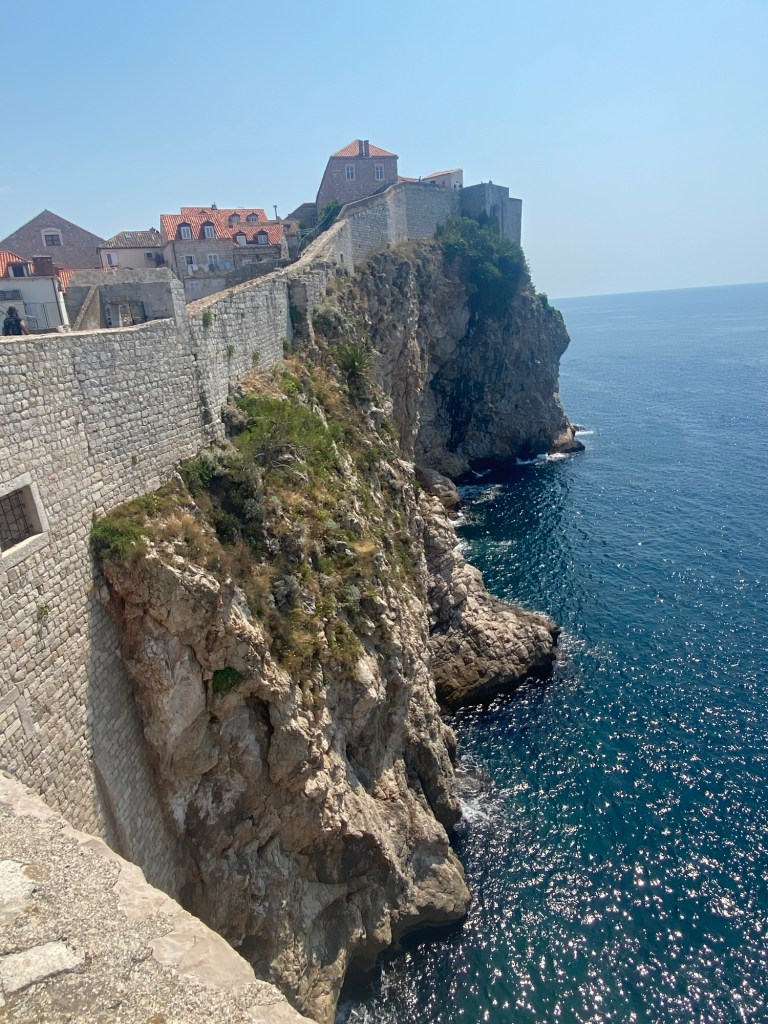
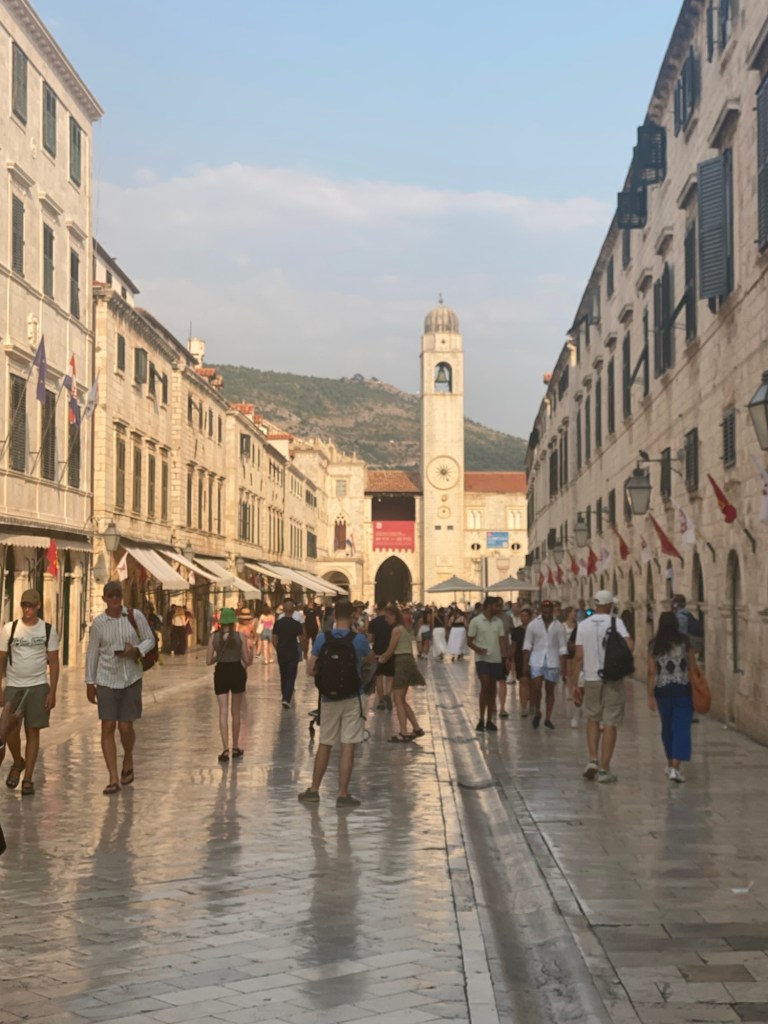
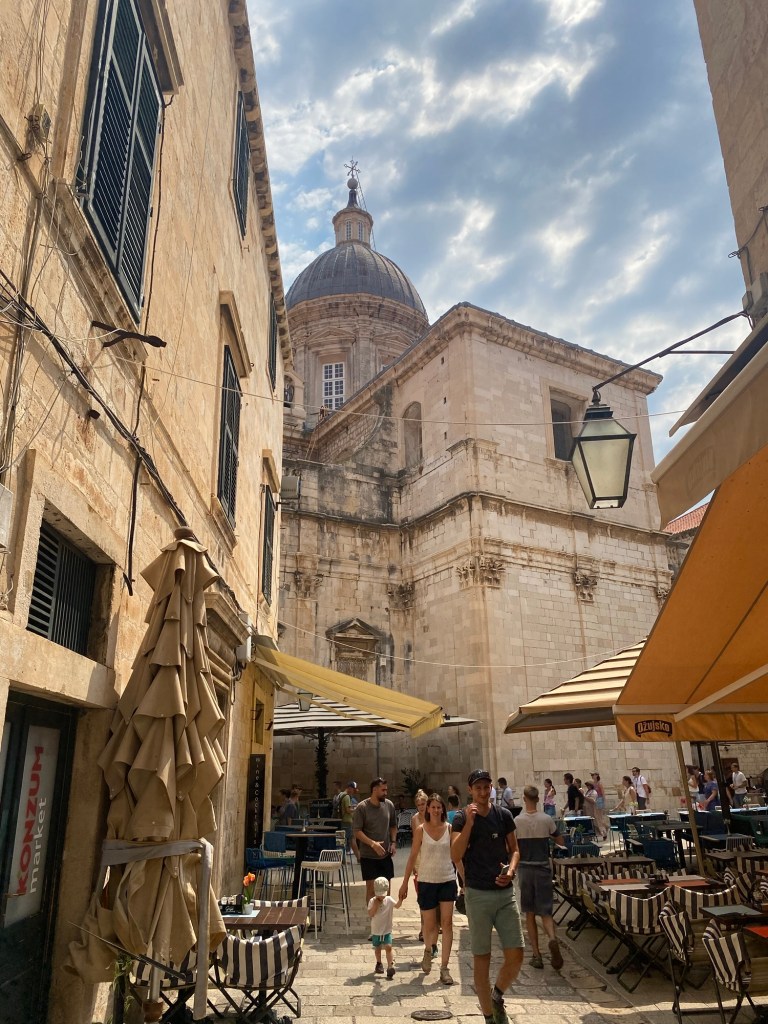
Dubrovnik was a fascinating place to wander. We walked the city wall using an audio guide to provide background on the history and key events in the town’s history. Definitely the city’s history has been highlighted as a key location in the Adriatic Sea and as a know place for commerce and trade through the centuries. Many countries fought over the Dubrovnik but shrewd local leadership often allowed the city an independence not seen in other places, even as they were technically protectorates of Venice or the Ottoman Empire. The old city still has scars from the recent Balkan conflicts but has recovered from the shelling that damaged many of the buildings in the old town.
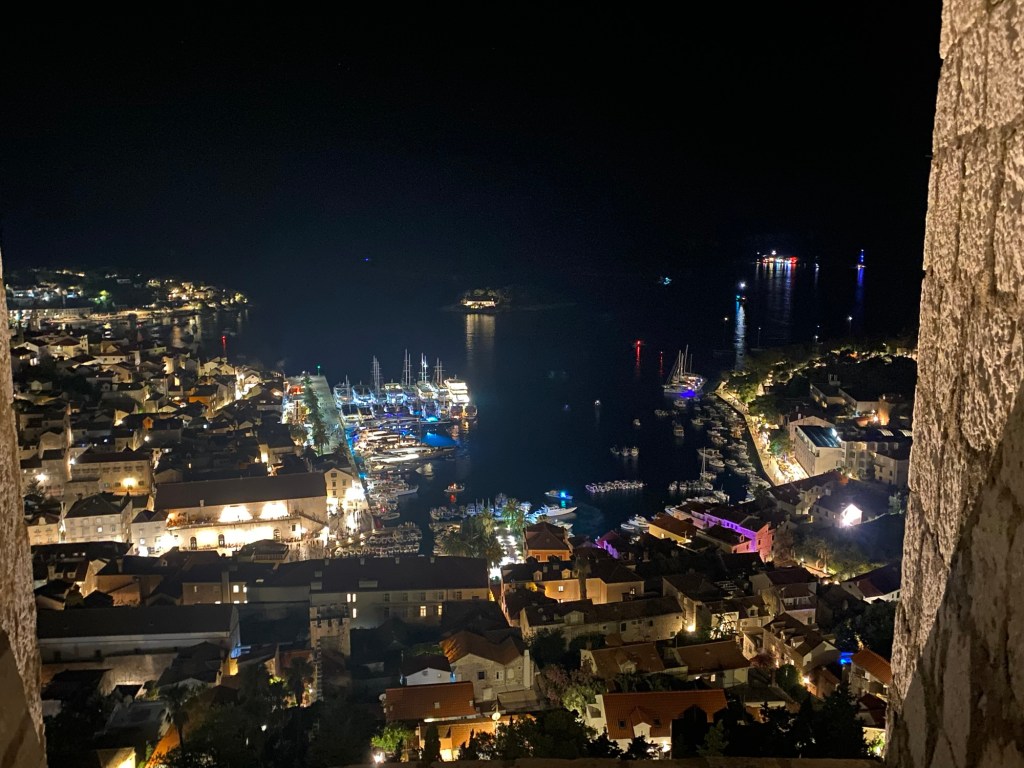
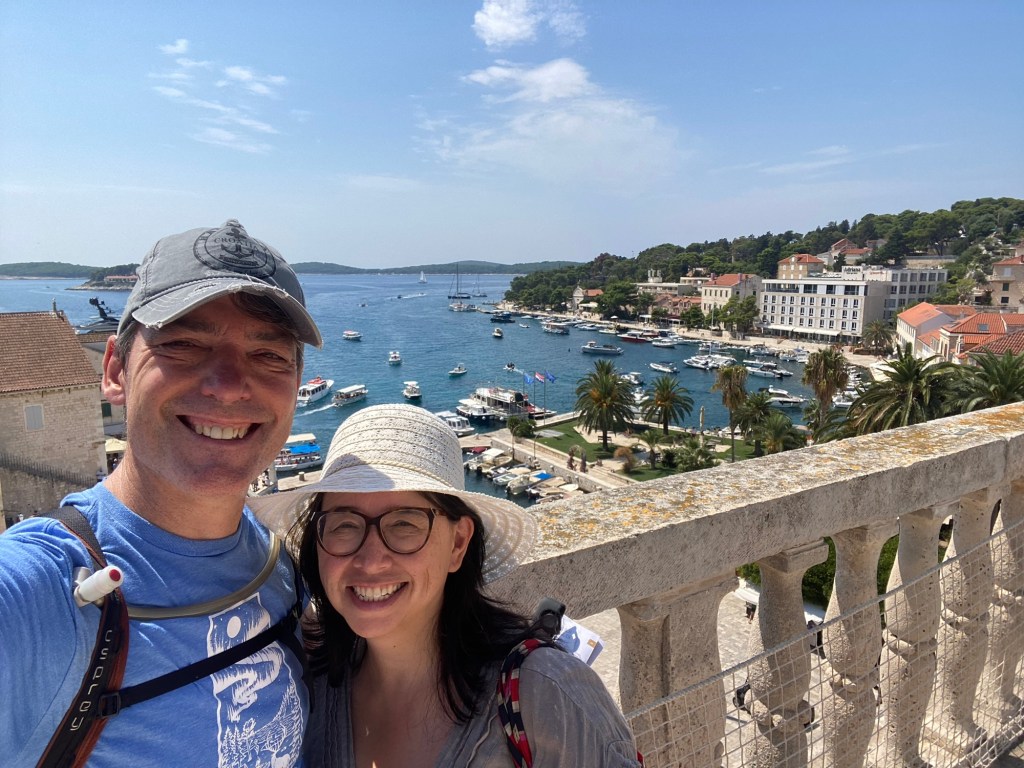
Jenny and I returned for a short visit to Hvar before we left Croatia. Jenny’s daughter had joined us but missed the initial visit to this island town. We were able to better get acquainted with what the town had to offer. The mixture of history, shopping and good food, alongside the coastal entertainment made this a relaxing way to end our time in Croatia.
 BorealHiker
looks outstanding, Andy!
LikeLike