I have been in São Paulo for about the past couple days. Likely I should have know this, but I found out it was the most populous metropolitan area in the Americas (just 200,000 people more than Mexico City) and the southern hemisphere. Despite its size, I have found that the metro has allowed me to explore the city with ease.
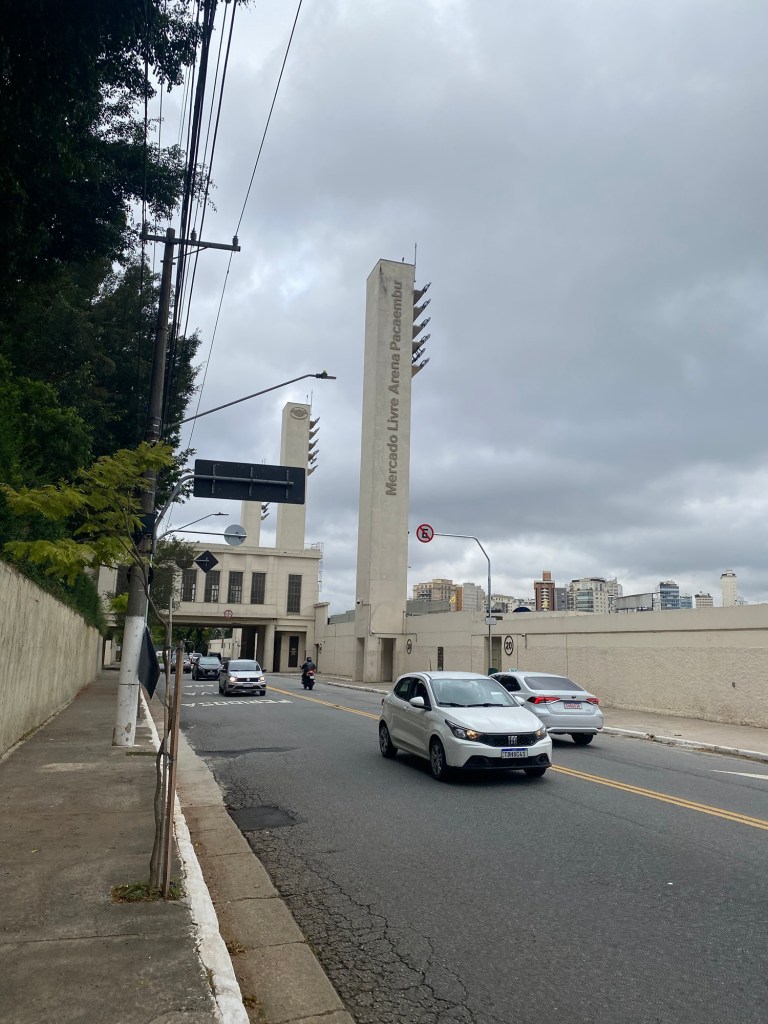
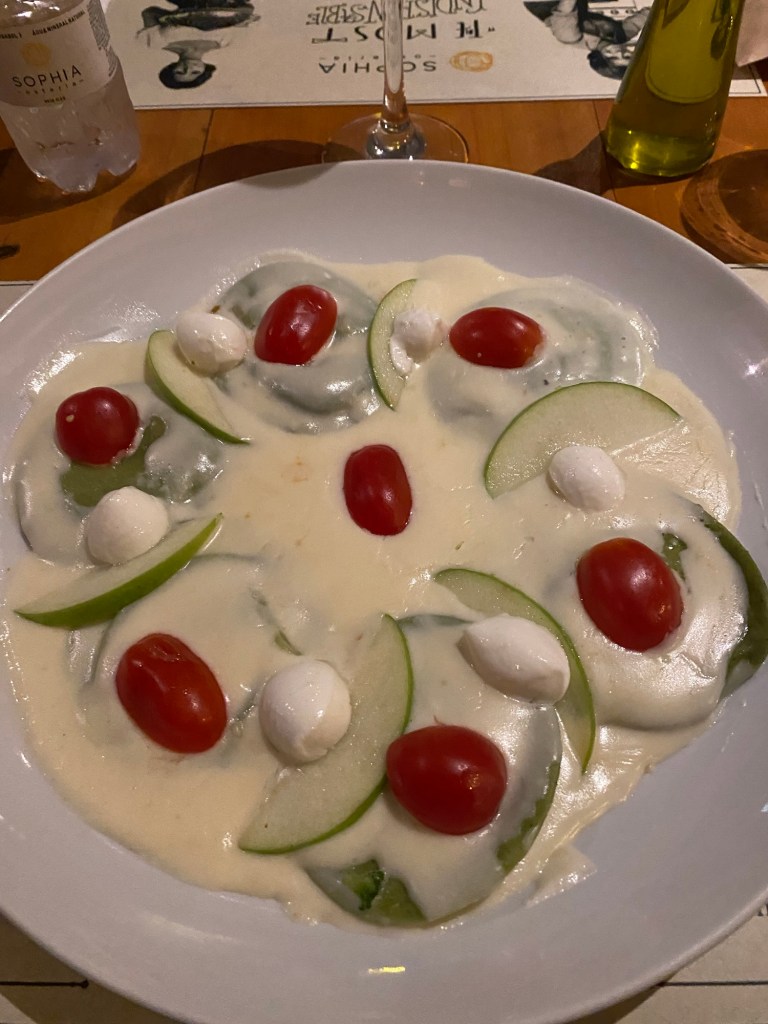
After arriving mid-morning at the airport, and catching the free train to the city, I got to the Lamparina Hostel around 1400. After dropping off a few things and eating a quick snack, I went to explore the Paulista Avenue. This is largely a large shopping street but also include a number of museums along it. Unfortunately I was a bit late to get into them as most were closing within the hour by the time I arrived. This will teach me for walking rather than taking the metro. I wandered and people watched before catching supper at an Italian eatery called Sophia after Sophia Loren.
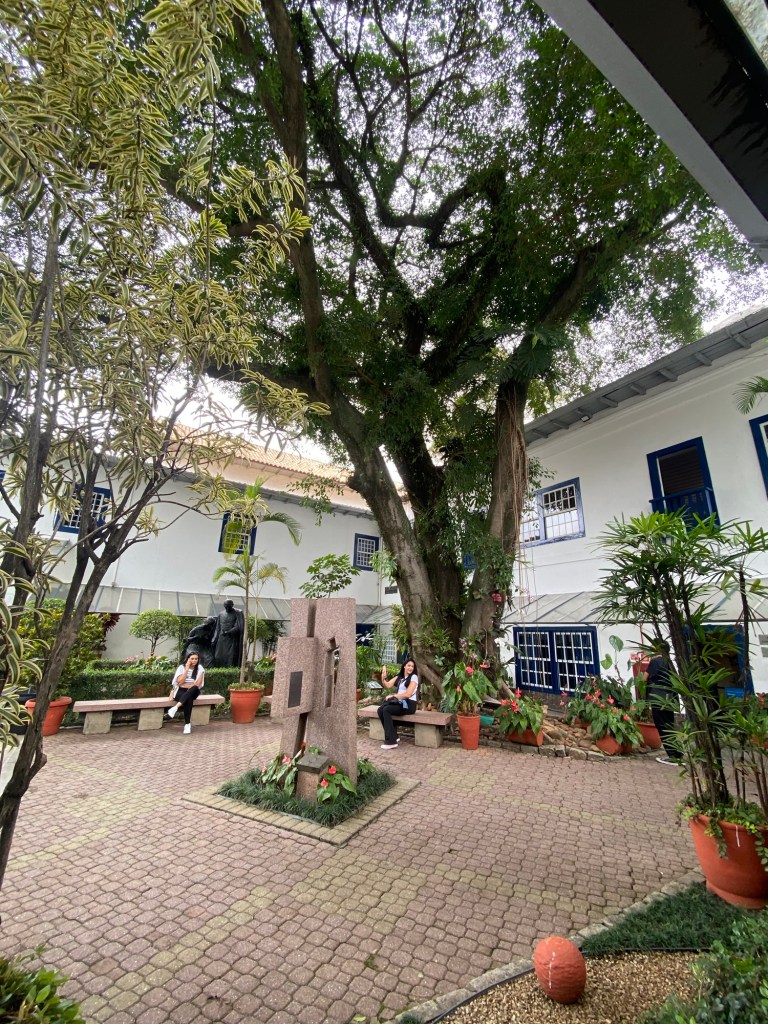
The only full day I have in the city started with a tour of the Old City. Unlike the summer touring in Europe, most of what counts as older in São Paulo is from the past couple centuries. Although some of the history goes earlier. The tour ended at the location of the first Mission built by Jesuits in the 16th century. The Portuguese had burned the original mission but it was rebuilt as a school and chapel. The site currently is a museum for the original mission and school. Although most of the information was in Portuguese, they did a good job of providing the background and recognizing both the good and bad that the religious immigrants had brought with them.
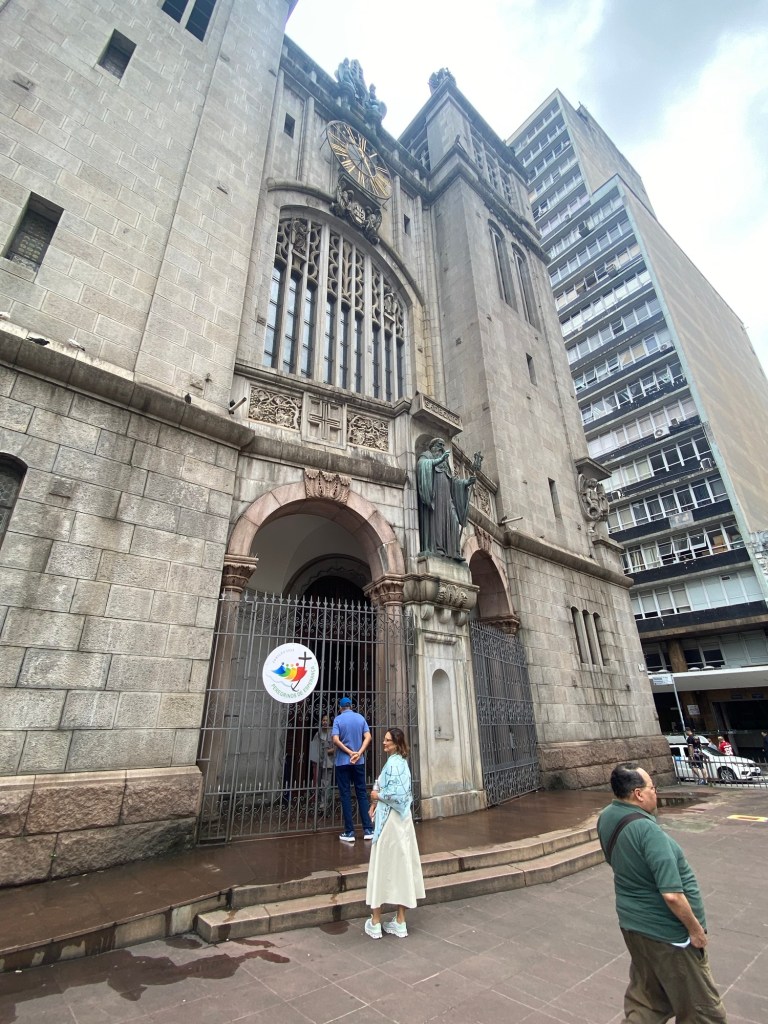
The tour started at the Faculdade Sao Bento college, a college attached to the Monastery of Saint Benedict. It then wandered into the old “Wall Street” of São Paulo. Part of the reason for the City being the largest was that it was the financial capital of Brazil despite not being the capital. A number of banks dot the streets. Most have moved from these sites for official business, but a few have converted a couple floors into cultural centres that have either museums or art galleries. It was interesting to explore the Caixa Bank art shows.
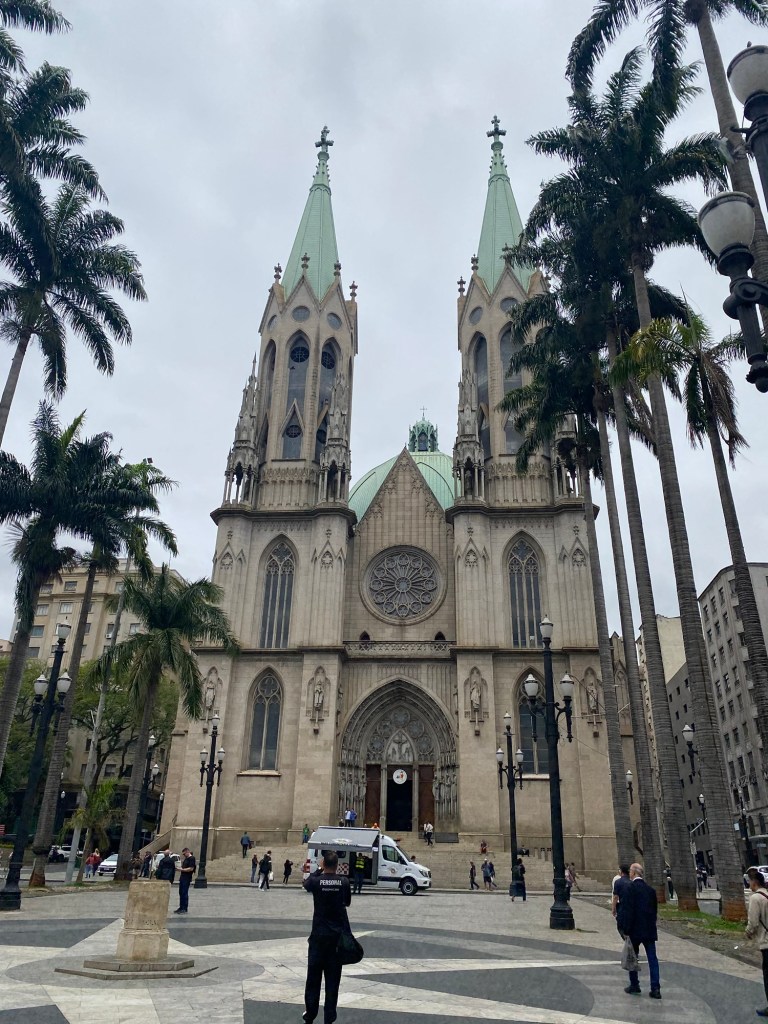
The tour went by the Town Hall built in the Art Deco style in the mid-20th century. Across the first bridge in São Paulo was the Theatre of São Paulo. We also went but the Cathedral of São Paulo, a beautiful older Catholic Church. I went inside but did not wander too much as a service was on at the time. The park outside of the Cathedral made for a beautiful walk toward the building despite the many homeless people in it.
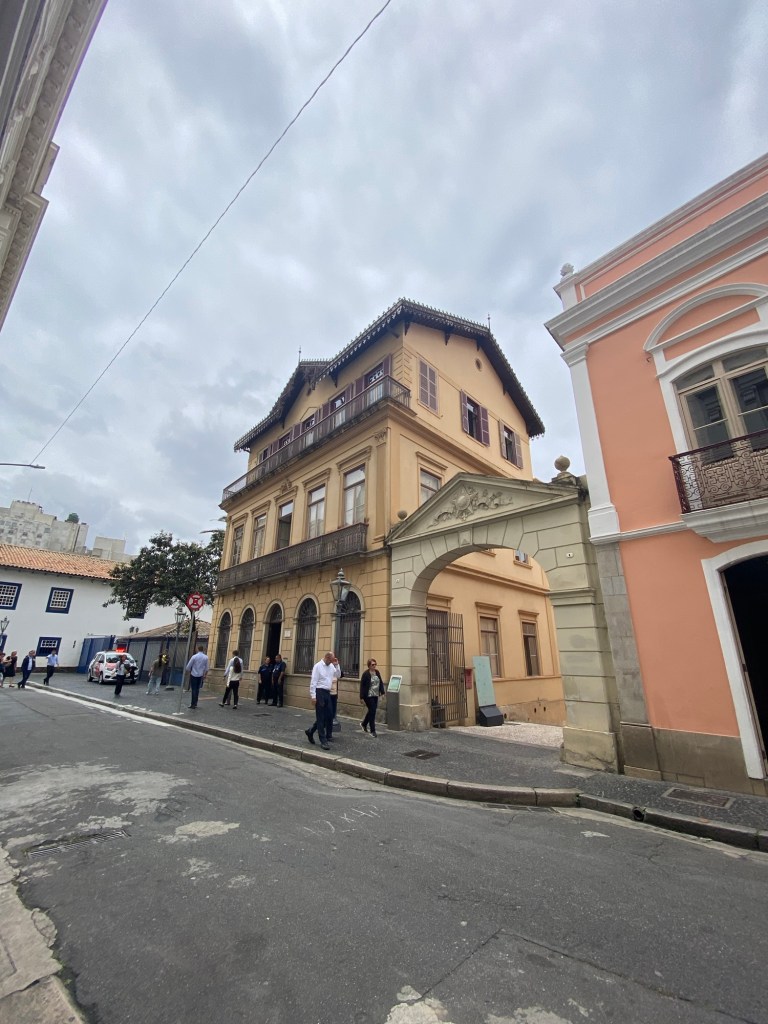
We also walked by the museum of São Paulo and the Museum of the Favelas. I visited both after the tour. The museum of São Paulo was in two houses next door to each other. One was the house bought by one of the original leaders of Brazil for his lover. The other was a military leaders home. They had been renovated to accommodate the displays showing some of the history of São Paulo. The Museum of the Favelas had mostly art highlighting aspects of the Favelas and a show on Sergio Vaz, a Brazilian poet who grew up in one of the Favelas. The shows were entirely in English and so I got less out of this than I would have as my phone was getting a low battery and I didn’t use a translation app as I had at the other sites.
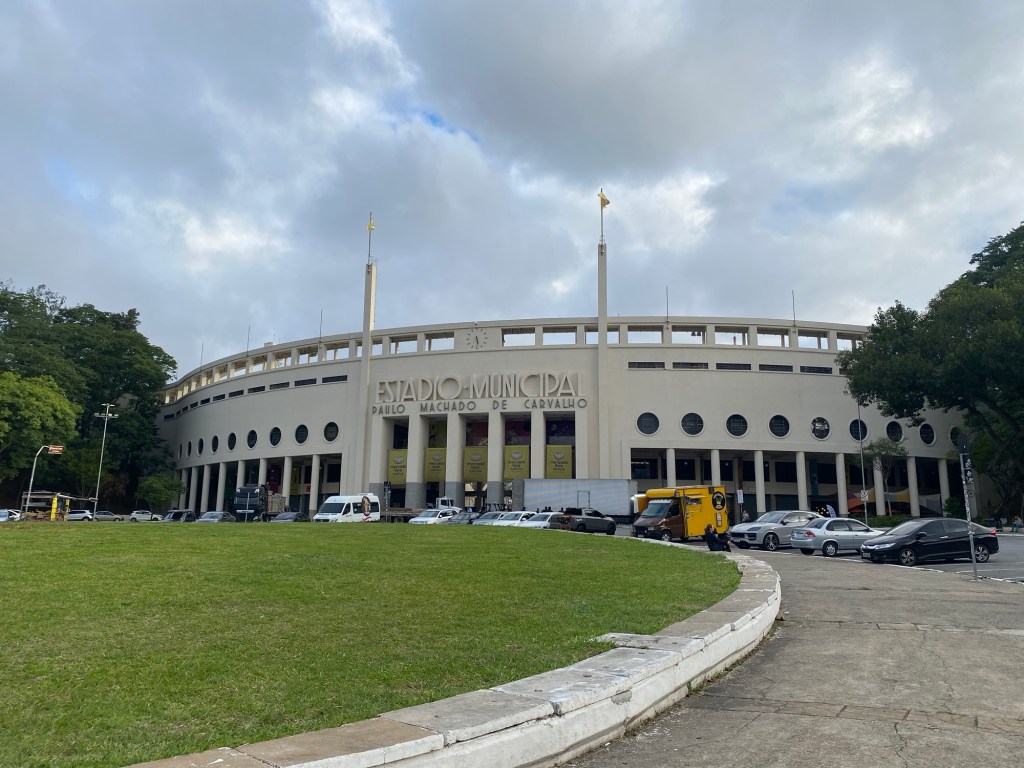
I ended the day with a visit to the Museum of Football. It was at the Estádio Municipal Paulo Machado de Carvalho, or more commonly called the Pacaembu stadium. The stadium hosted some of the games form the 1950 World Cup and is used by some local clubs for some of their games, including the Corinthians and Palmeiras football clubs. The museum was mostly in Portuguese and Spanish (I did have the phone charge again for this, so was able to get translations). The visit stretched over three floors under one side of the stadium stands. The exhibits celebrated the history of football in Brazil and how it had become the national sport. It also had a display on football in South America and another section on the heroes of Brazilian football. At the end was an area for kids (and adults) to try out their football skills. It was a good way to end the day.
 BorealHiker