I have to admit that I didn’t do as much research into Paraguay before travelling there as I should have. This likely caused me to not plan as many activities to see the broader part of the country than I did. That being said, it was still a good visit to a place that relatively fewer tourists have been to.

I say this, but was surprised by how many people I met at my hostel who were trying to get some form of permanent residency in Paraguay in order to facilitate a business opportunity or to take advantage of a lower general tax rate. I met a few mobile workers who were looking to take advantage of this and were trying to navigate the process of becoming a permanent resident despite not particularly seeing themselves living in Paraguay full time.
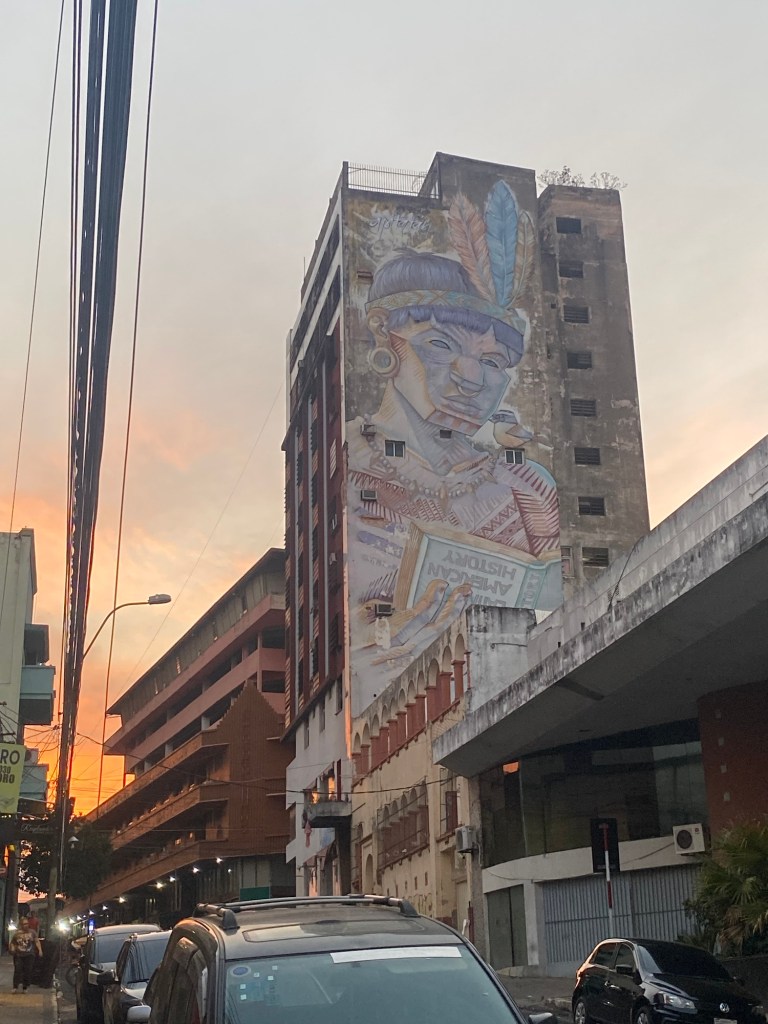
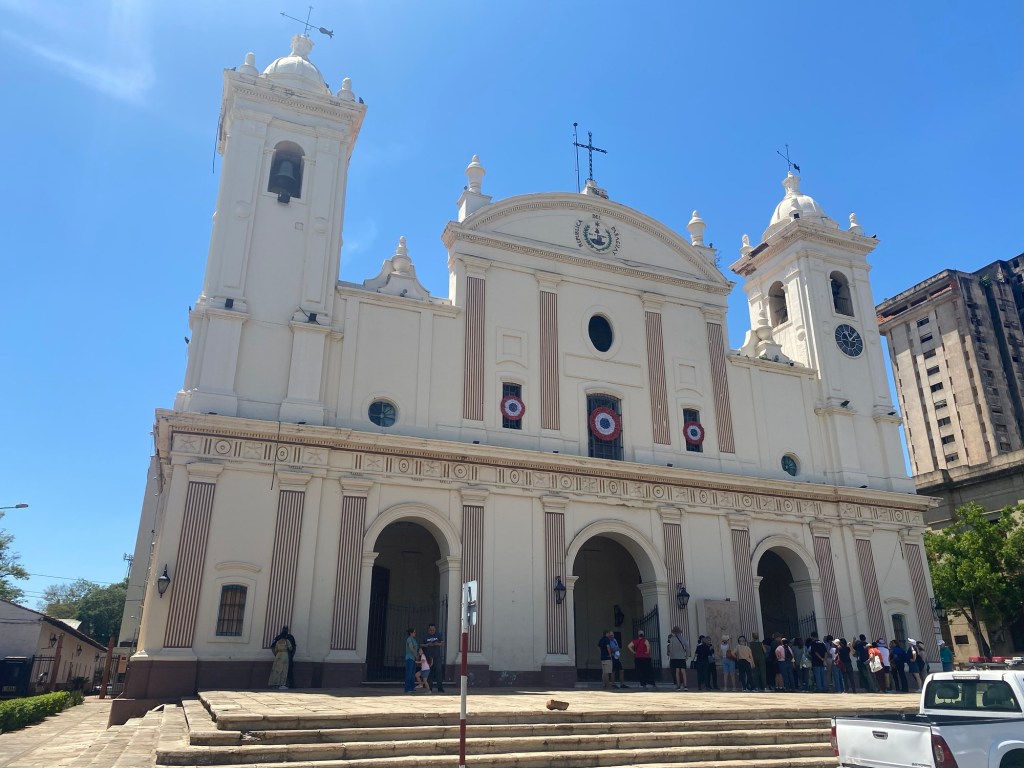
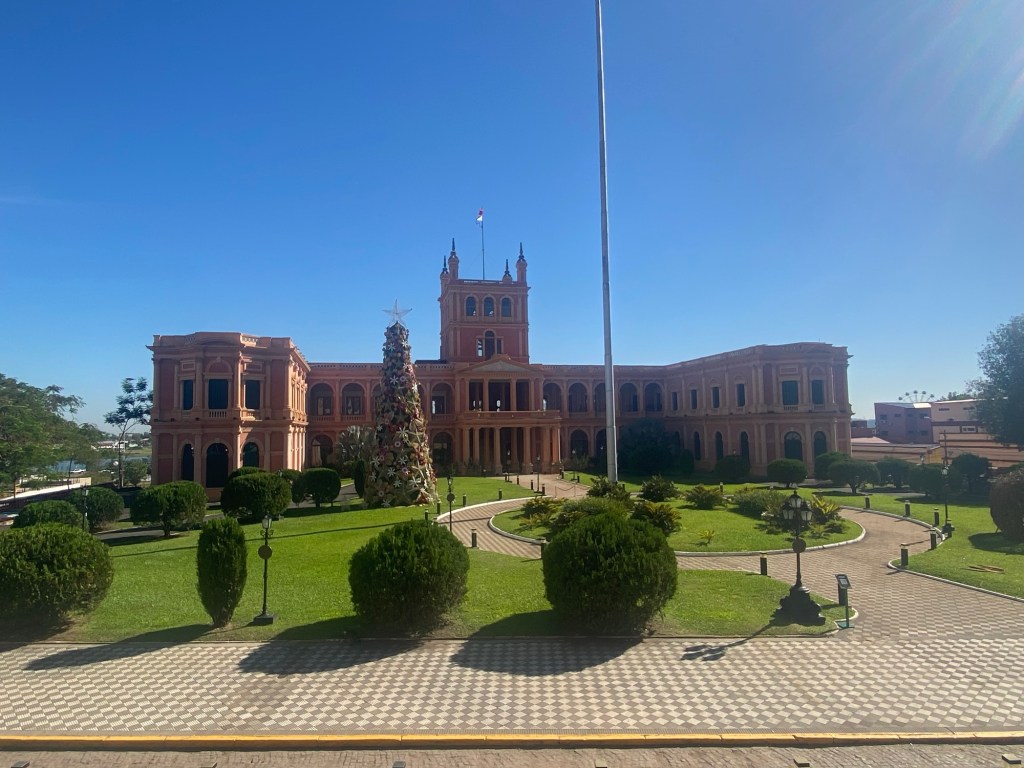
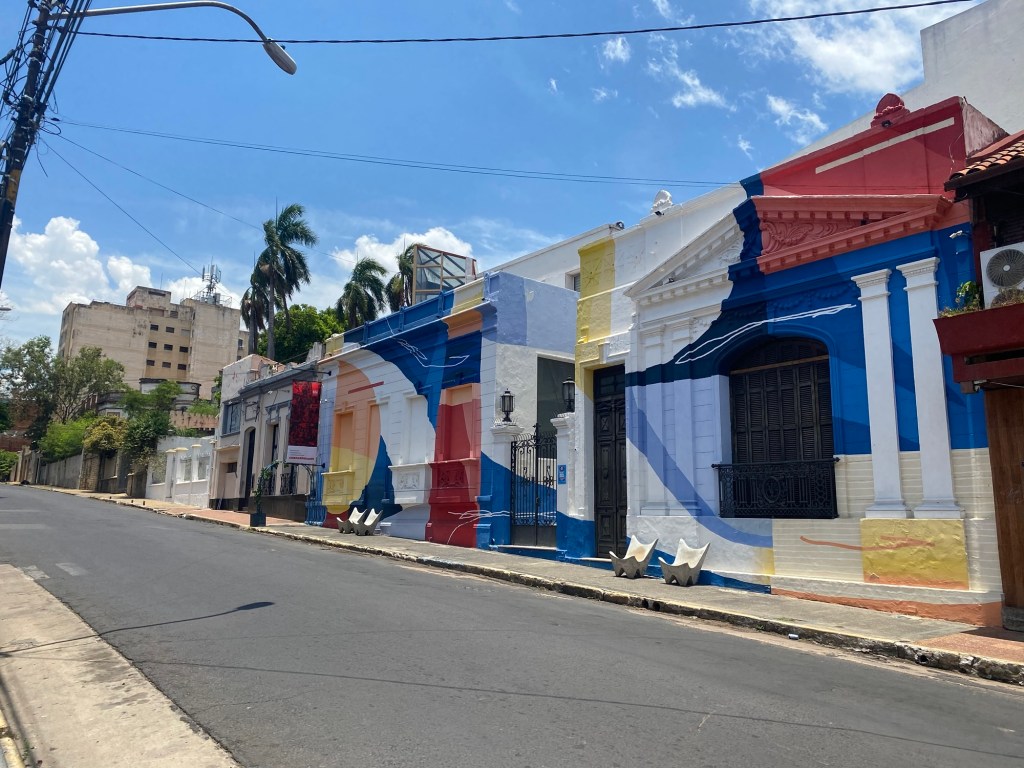
I could tell Paraguay was less well off than some other countries I had visited. Part of this was that I was staying in the old part of the capital, Asuncion, that hadn’t had the same upkeep and so had a run down feel to it. Despite this, people were friendly and willing to help me navigate my lack of Spanish as I visited sites around Asuncion. I started my visit with a free walking tour with a guide who was very positive about his country and did a good job of sharing some of the history and the reasons for how the city was as it was. I did find out that he may have had some bias in his views as I went to various museums afterwards that may have disagreed with some of his takes.
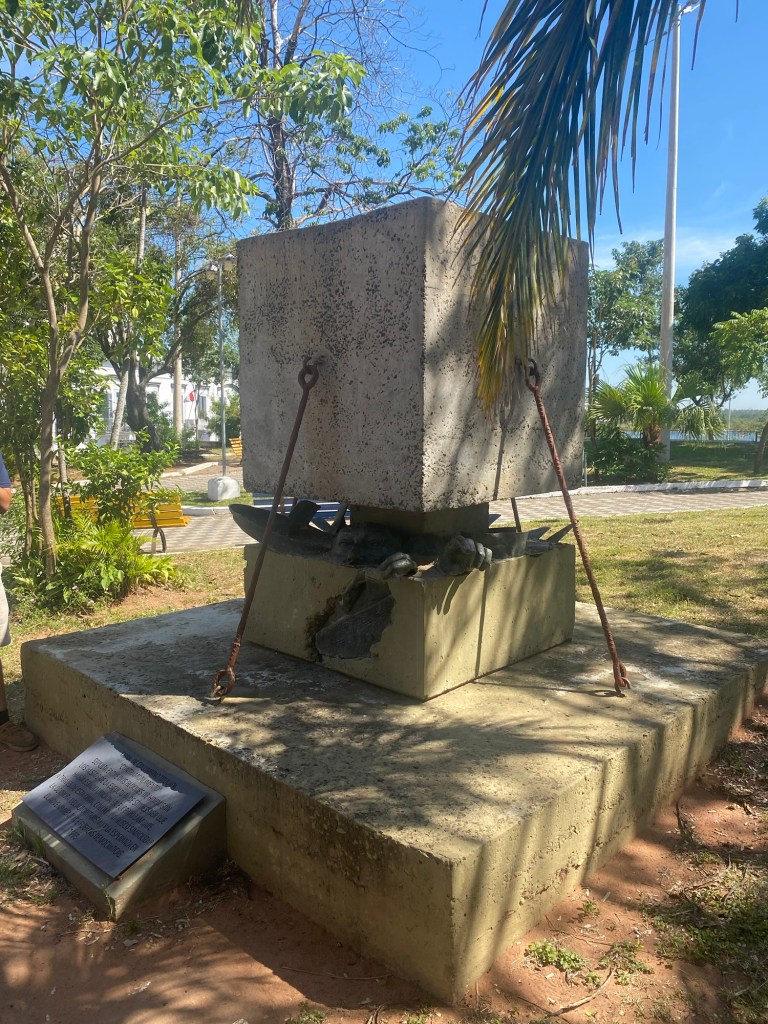
Paraguay was part of the broader Spanish empire and had a fair bit of early investment as the Rio de la Plata—the River that comes out by Uruguay and Buenos Aires—is connected to the rivers that flow upstream to Paraguay. This made Paraguay, and Asuncion in particular, a site of focus to build the development of mines and other resources from the central part of South America and then flow it to the coast down the river. River remain a big part of the Paraguayan identity as my guide noted that the country has the third largest navy in the Continent despite being a land locked country. The policing and support of the river networks that spread across the country remains a big reason for this investment in naval infrastructure.
When the other South American countries started rebelling against the Spanish Crown in the early 19th century, Paraguay followed suit. The transition occurred relatively quickly to local rule. Part of this was expressed by my guide as having been because there was a lot of intermarriage between the Spanish colonists and the local Guarani 9tribes. This did sound like it was something that may have been at the cost of other Indigenous groups in the area and the Guarani may have had some benefits, but still were a bit of a second class within the country. The transition to local leadership, in part, allowed for the mixed population to have a greater control.
After becoming independent, there were some pressures from other countries to gain land and resources that were in Paraguay. In the 1860s Paraguay came to the defence of Uruguay when Brazil threatened their sovereignty. The thinking was that, if Uruguay could fall to Brazil, then Brazil would definitely look west to the lands that make up Paraguay. Unfortunately a change to a more pro-Brazilian leadership group in Uruguay, caused Paraguay to become the focus of the aggression. This ended up becoming the Triple Alliance War for Paraguay as to their south, Argentina saw this as an opportunity to also join the attacks from Brazil and Uruguay. At the end of the day this was a devastating war for Paraguay. Around fifty percent of the population was killed in the war, including a shocking ninety percent of the male population. The loss of population, control of the rivers, and land led Paraguay to economic challenges that still have some impact in the country.
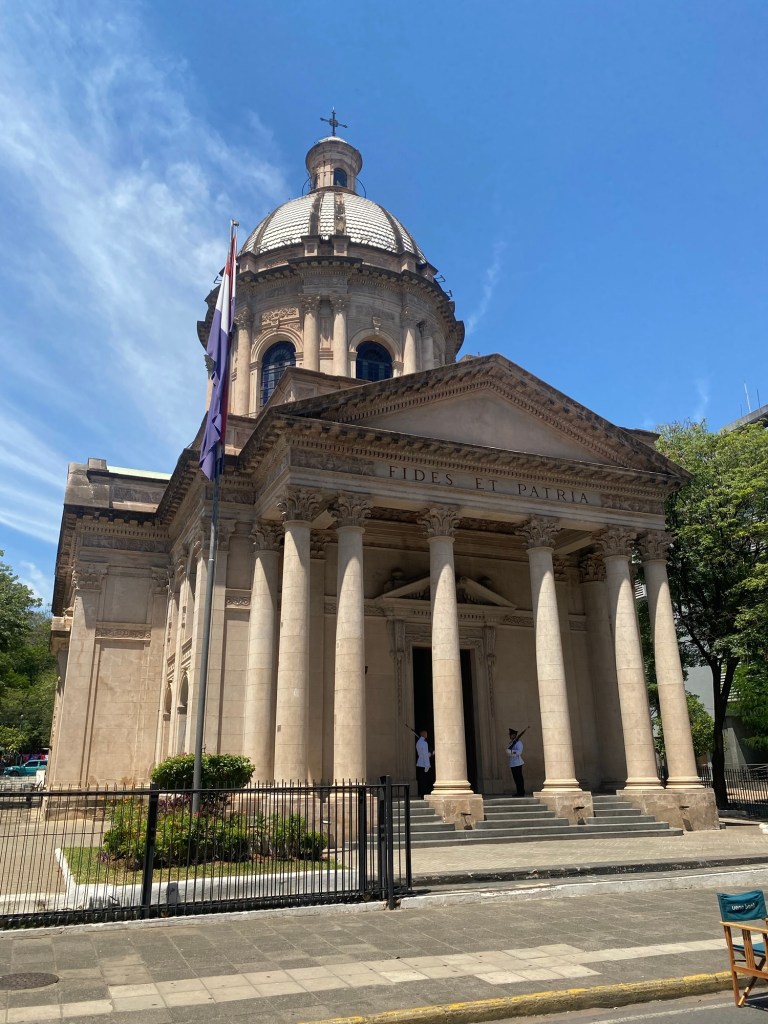
The loss of male population also led to a strong interest in outside immigration to make up for the loss. A large scale immigration from many part of Europe, but also from other parts of the Spanish America countries, means that there is a very mixed population across the country today. Of particular interest to me was the number of Mennonite communities. My driver who took me across the southern part of Paraguay to Iguaza Falls pointed this out, indicating that most of the Agriculture was being driven by the strong Mennonite population that settling in large sections of southern Paraguay.
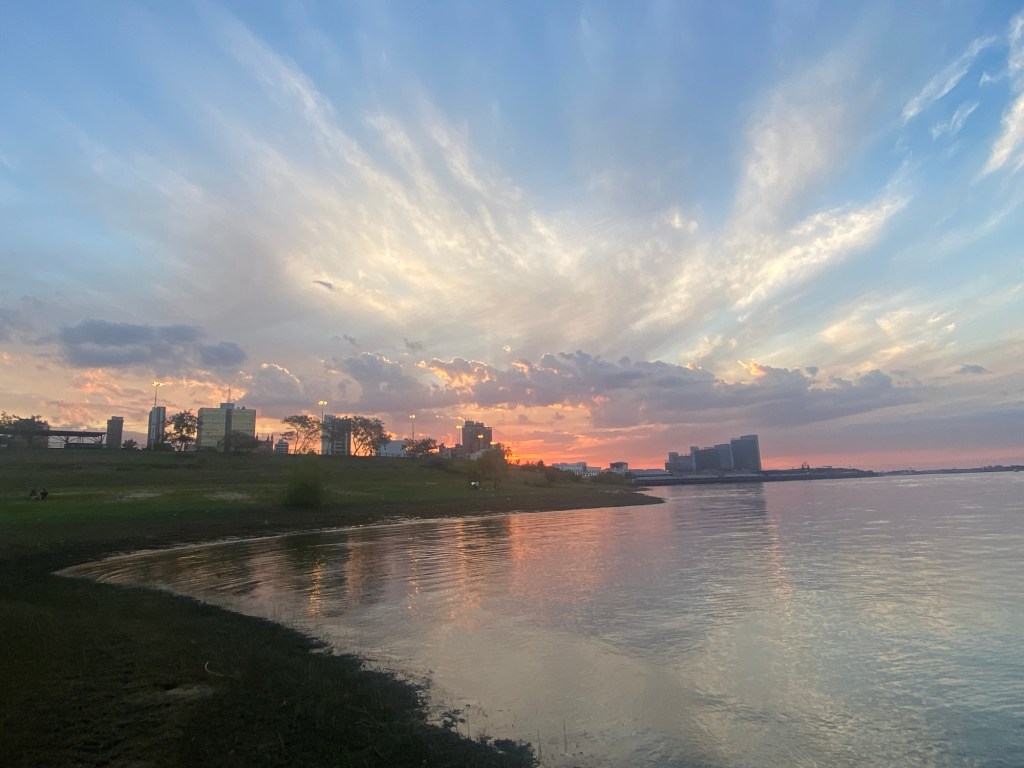
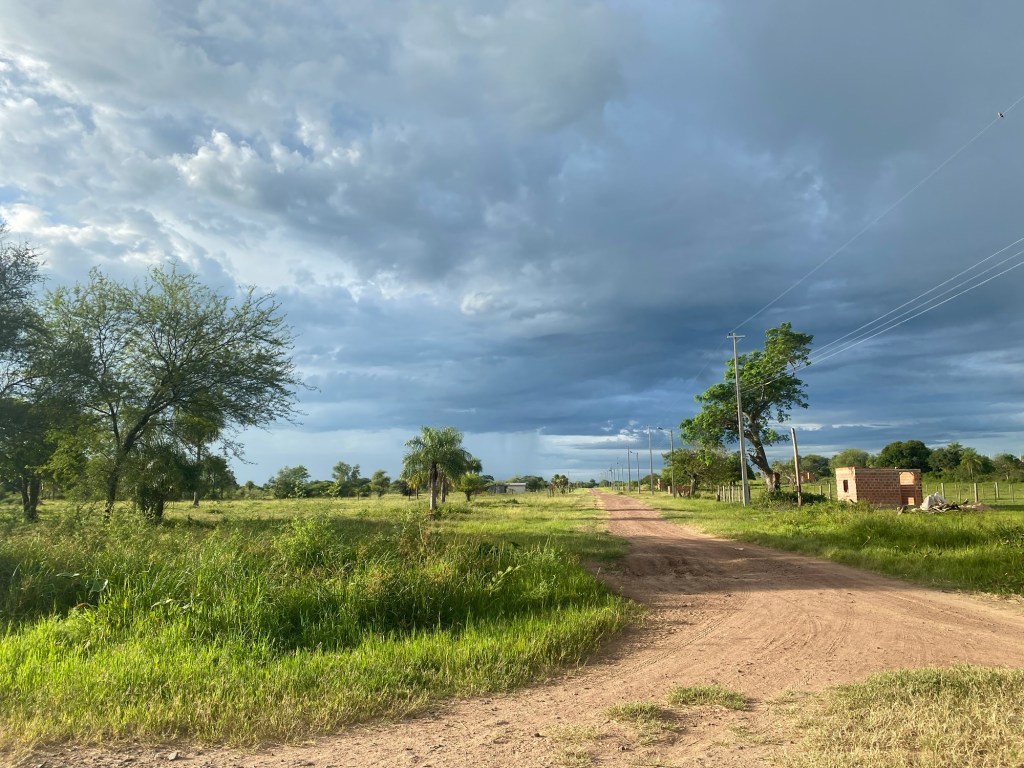
I took some time to visit the wet Chaco as the country was divided into the southern farmland areas and the Chaco that makes up two-thirds of the country. It goes from being a wetlands area with lots of birds and wildlife to being a dry Chaco as you get to the north. This meant that most of the population—I believe 80%—are in the lower third of the country with the arable land. Asuncion has around 40% of the countries population and is significantly bigger than any other city.
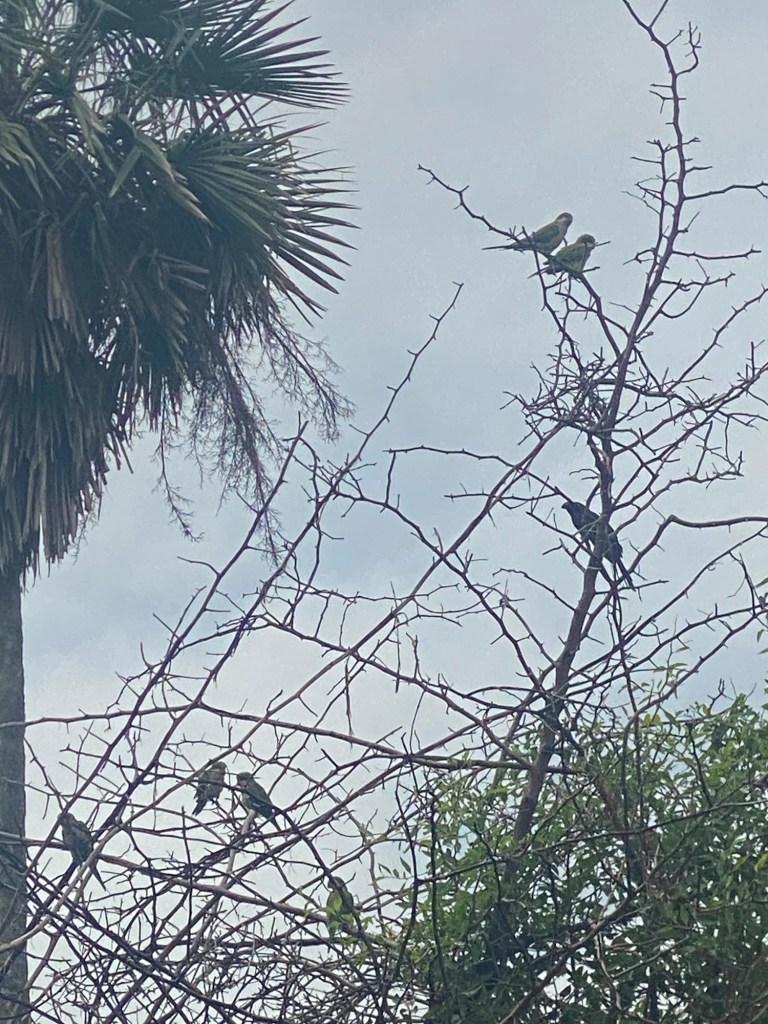
On my drive to Iguaza, I also got to see a large number of pilgrims doing an annual pilgrimage to Caacupe. All along the highway on both sides of this smaller city there were people walking to offer thanks or to make a request of the Virgin of Caacupe. It was an impressive site to see how large the draw of this was.
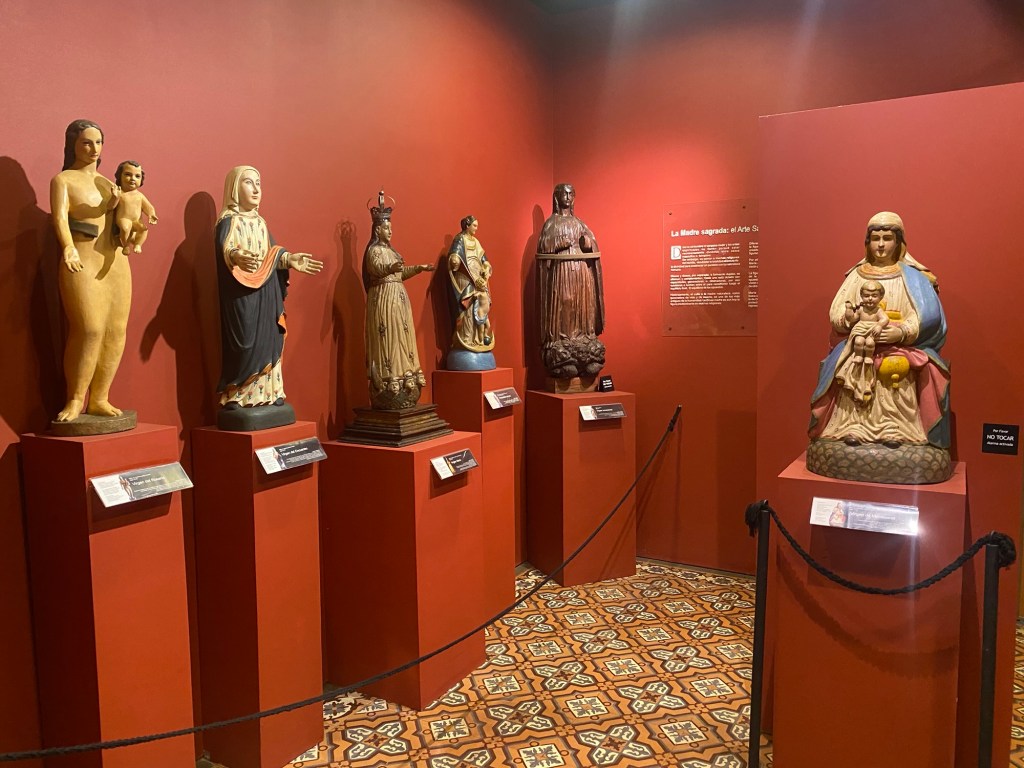
Just before heading to the airport I had time to visit the museum of memory. I had tried to get to this earlier but it had been closed for the weekend and then for the holiday Monday. It was a worthwhile visit to see the impact of the dictatorship of Alfredo Stroessner from 1954 to 1989. He was one of the longest serving dictators in the Americas (I think only Fidel Castro was longer if I understood my guide) and had a very repressive regime. The library looked at the history of this period and the number of people impacted by the horrors of the dictatorship.
Overall, I enjoyed Paraguay. It likely helped that my hostel had a pool that allowed me to cool off after being out in the near 30 degree Celsius weather. But the people were friendly and it felt enjoyable to explore Asuncion and the parts of the rest of the country that I had time to see.
 BorealHiker