Day three and four in Bulgaria: Sofia

Fiona and I travelled the main cross country highway from Plovdiv to Sophia. The rolling hills and windy highway offer a lot of scenic views of farmland and orchards as we approached the capital Sophia.

Fiona’s car was not providing much cool air as the air conditioning had stopped. With the warm weather we decided to see if the Hyundai dealership could fix this. They were helpful and allowed us to have it looked at on the same afternoon we arrived. Very nice to feel cool air instead of having to drive with the windows down.
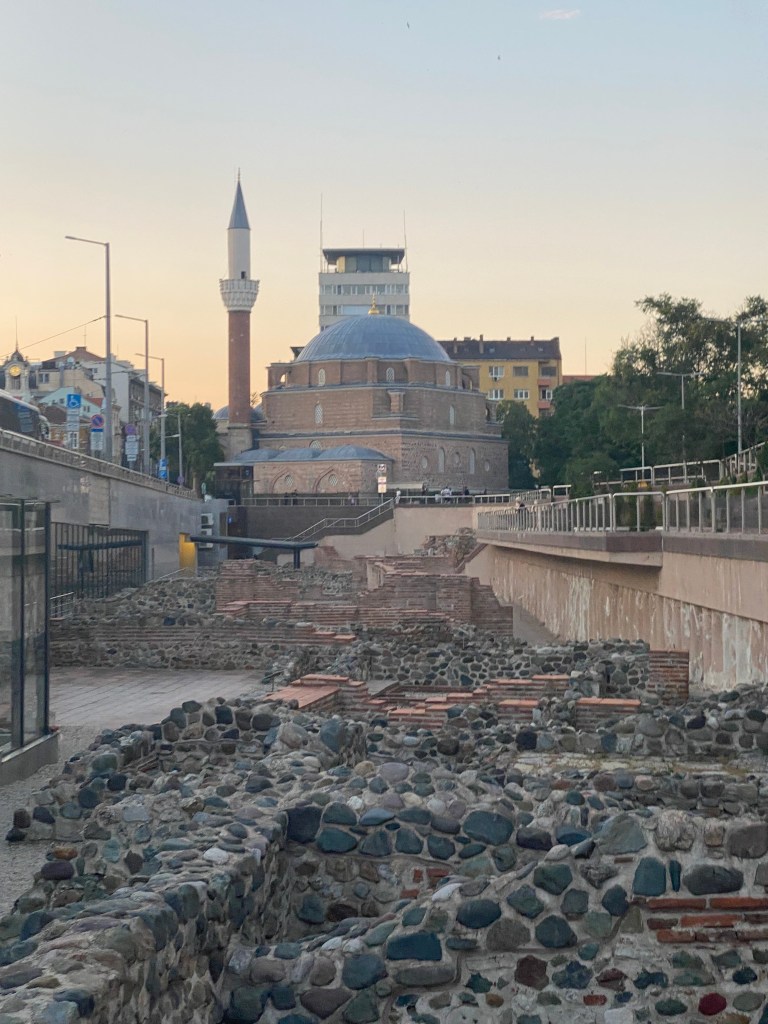
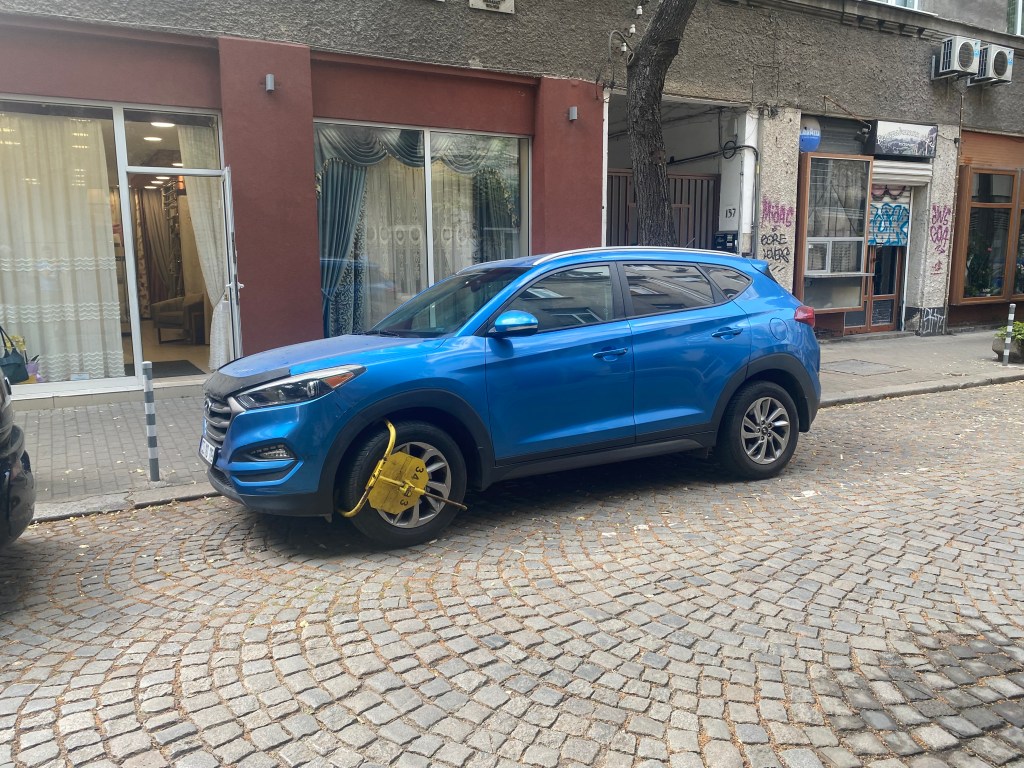
Our initial foray in Sophia was to get our hotel sorted. We parked a block away given the packed street parking. After getting a detailed description of the Sophia downtown from the receptionist at the Art Hotel, we asked about parking. She got very concerned that we may be clamped as there was apparently a zero tolerance for non-payment of parking. We hadn’t seen signs indicating the SMS payment methods for hourly street parking. Sure enough we had a clamp on the vehicle and spent the next hour waiting to have it removed and relocating our car to a parking lot recommended by the hotel.
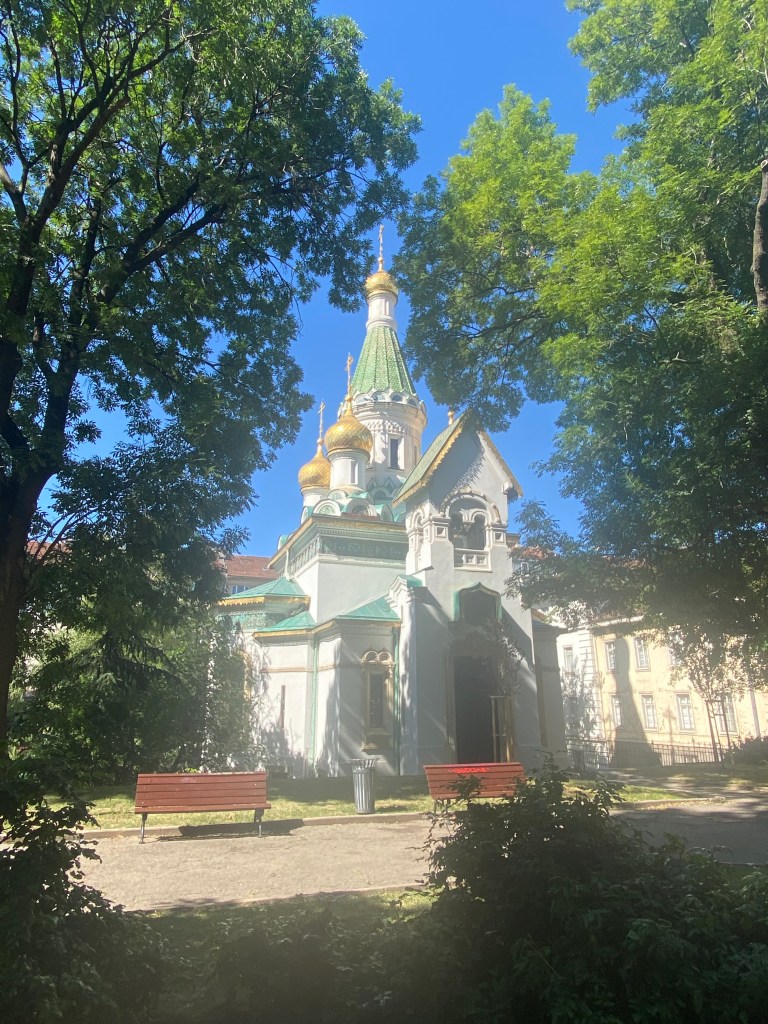
Having started our time in Sophia on a sour note, the experience did get better. We wandered the web of streets in the city centre seeing an array of historic buildings that are interspersed among the more modern ones. A number of green areas spread across the city in what our guide from the free city tour described as “one of the few good things the communists did in Sophia”. It made it more pleasant to explore the city with all this green space.
We went to the National Ethnographic Museum to see a few displays on Bulgarian history and culture and an interesting exhibit on Bulgarian science and the Universe which looked at Bulgarian contributions to astrophysics and space programs. Afterwards we went to a wine tasting at TempusVini. We tried five wines and some Bulgarian cheeses while learning the brief history of viniculture in this country. Following this we joined the aforementioned free city tour that provided a lot more context to Sophia’s sights. The changing religious and political influences on a country that went from being mostly Islamic to Christian with the defeat of the Ottomans in the 19th century and went from being more aligned with Europe to being in the Soviet Bloc before reorienting to Europe with the fall of Communism had influenced architecture over the generations. Sophia has a mix of architectural styles as a result.
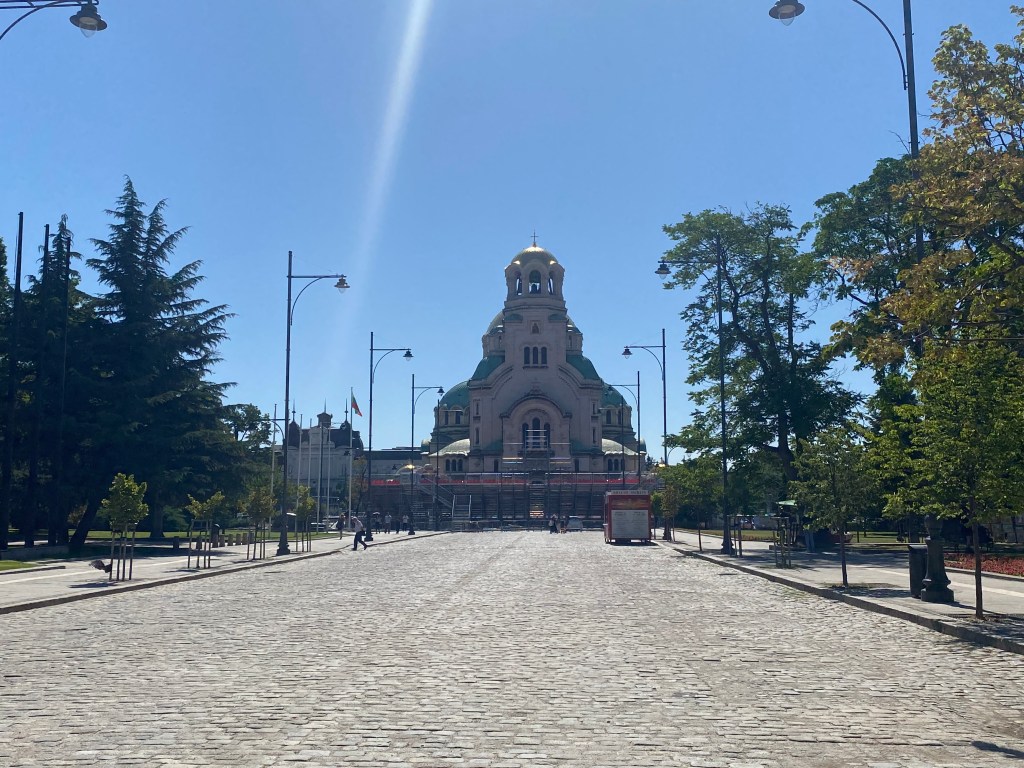
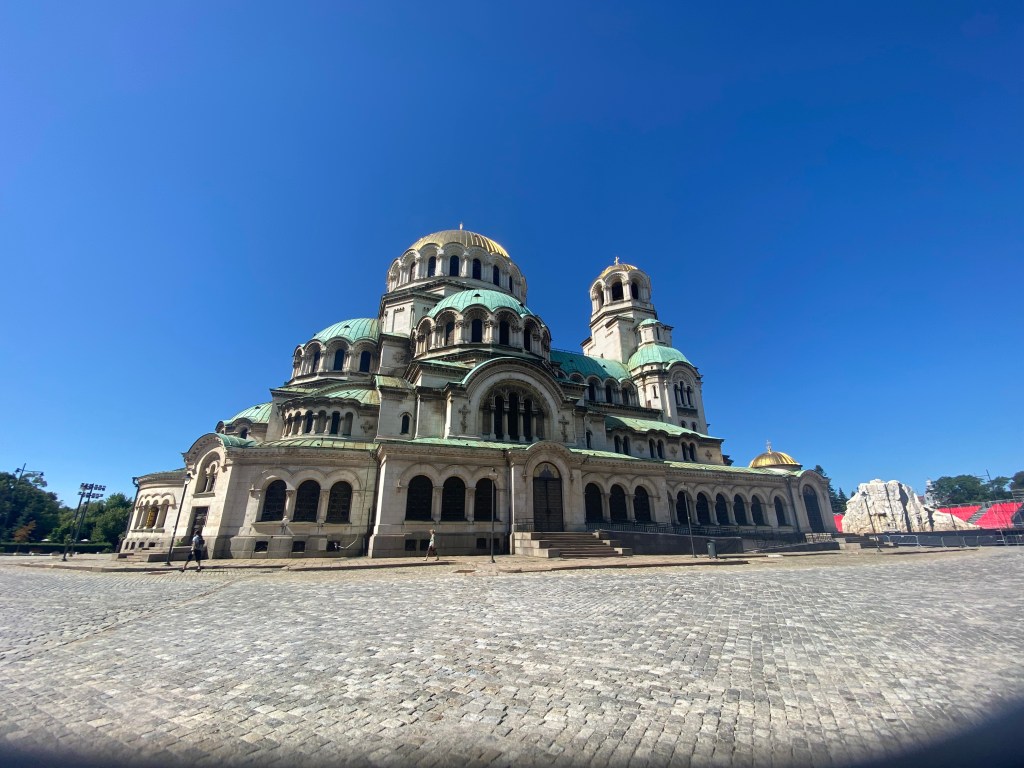
Sophia has been an interesting and enjoyable place to visit.

Day two in Bulgaria: Plovdiv

We drove down from Veliko Taranovo to Plovdiv passing through the Balkan Mountains on our way. We entered the valleys of the Srednogorie and drove along the A1 highway to Plovdiv.

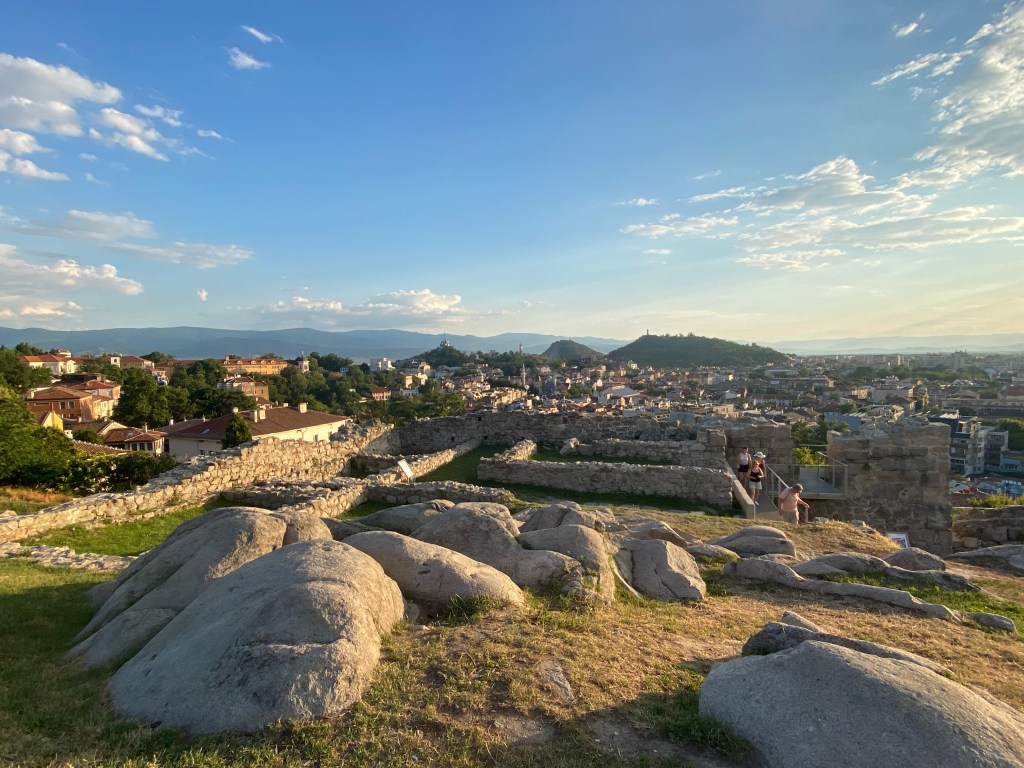
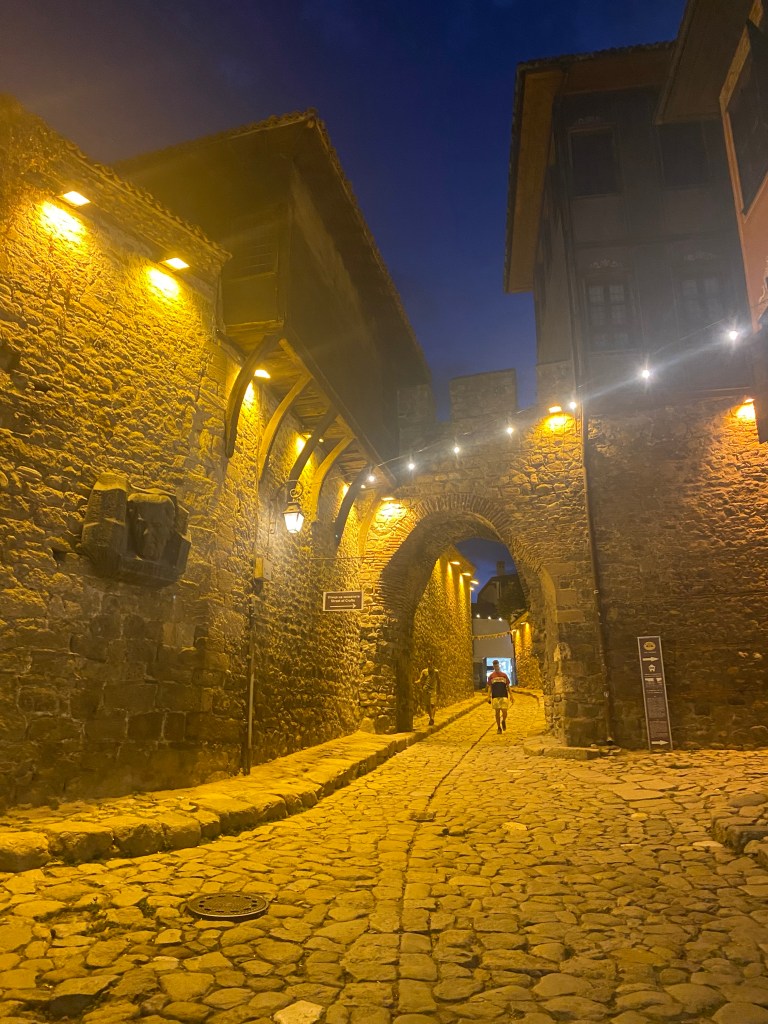
Plovdiv is a decent sized city with the modern city spreading out from the three hills that visually dominate the area around Plovdiv. In the centre is an old town, including a walled city, that was our primary destination.

It was a warm day but we walked in and around the centre of Plovdiv. It ended up that we spent the bulk of the day exploring the older history of Roman and Thracian sites that dot the city through more modern excavations. Many of these excavations have shown how generations of peoples in the area have built on the past structures. At one point we went into an H&M on a main shopping street to see the remains of a section of the Stadium of Philippopolis that has been excavated in its basement.

Another highlight was the large exhibition space of the Bishops Basilica that was dedicated to the mosaic floors and the history of the Thracian Province of Rome that was seen in part from this site. Two levels of mosaic flooring have been uncovered and are wonderfully displayed with lots of explanations about the history and art.

I am looking forward to looking at some of the more modern history of Plovdiv today before heading to Sophia.

First day in Bulgaria

My sister Fiona and I crossed into Bulgaria from Romania this morning. Although the roads were a bit rougher, the rural setting reminded me of where I had grown up in Alberta, Canada. The only difference was that the yellow fields were sunflowers rather than canola fields.

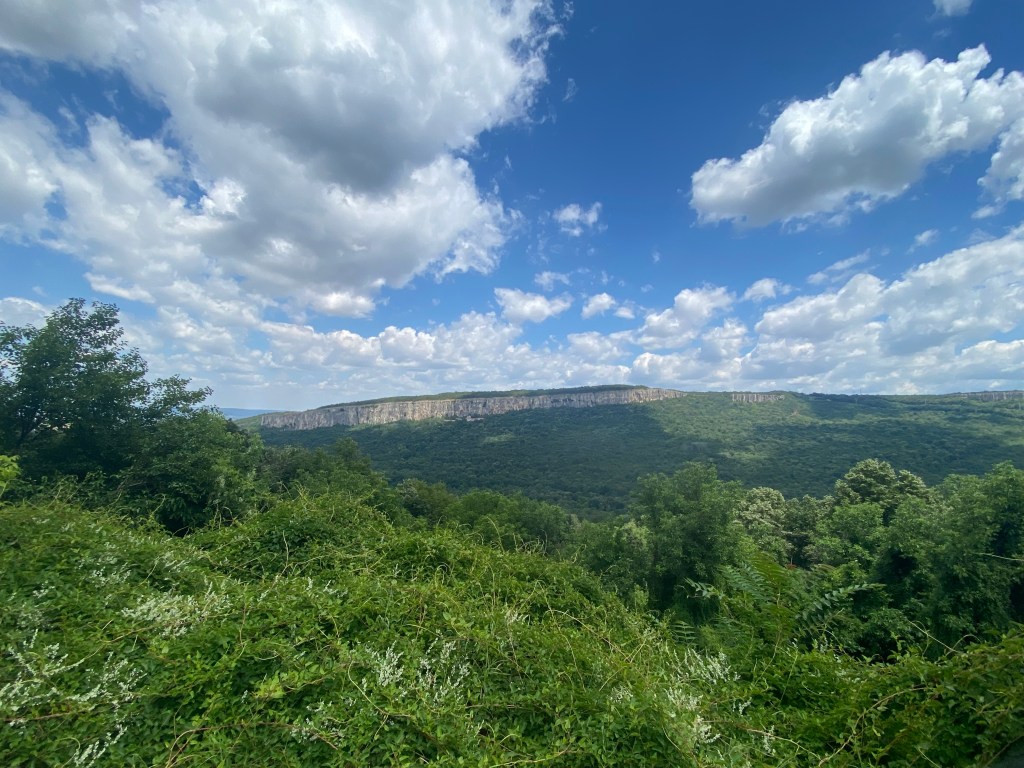
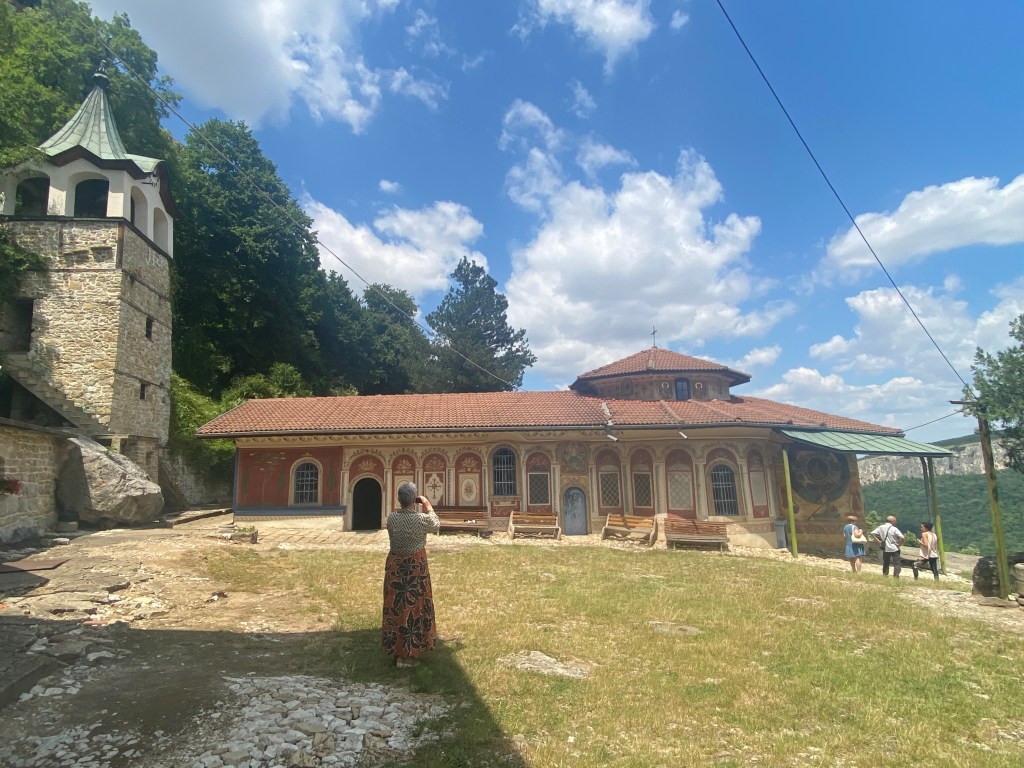
We travelled to Veliko Taranovo where we are staying our first night. Just north of the city we stopped to see the Monastery of the Transfiguration. It was an older structure, in some disrepair, but represented almost 800 years of history of a monastery at this site. The setting was on a side of a large hill overlooking the cliffs as we entered a valley in which Veliko Taranova was constructed.

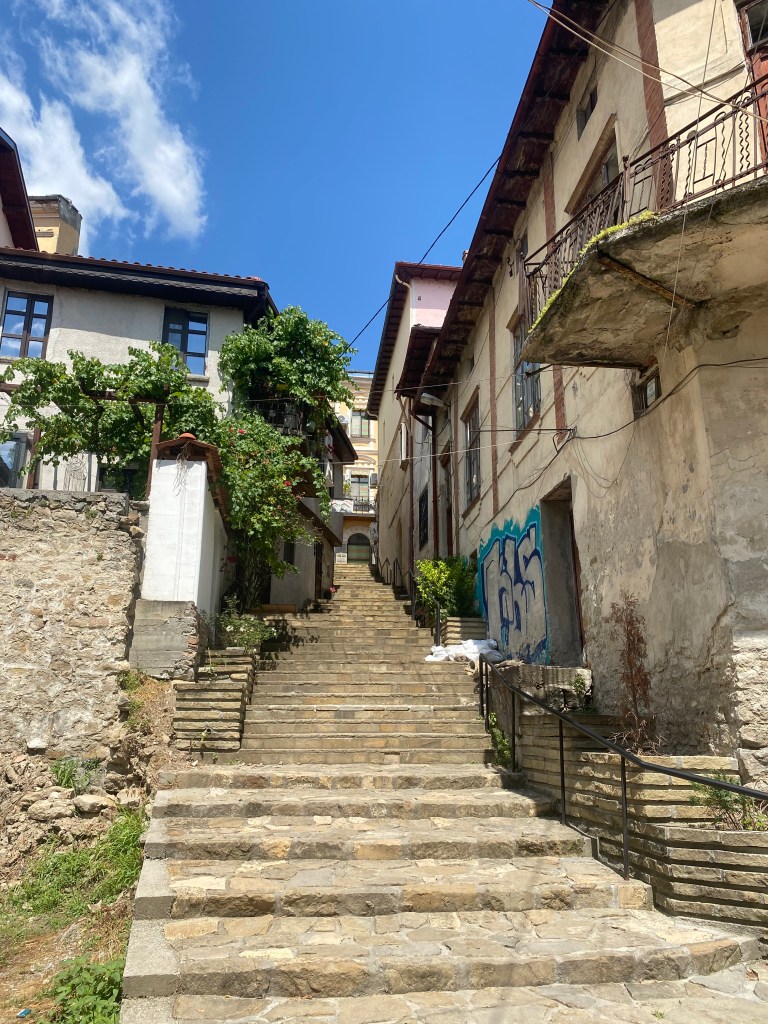
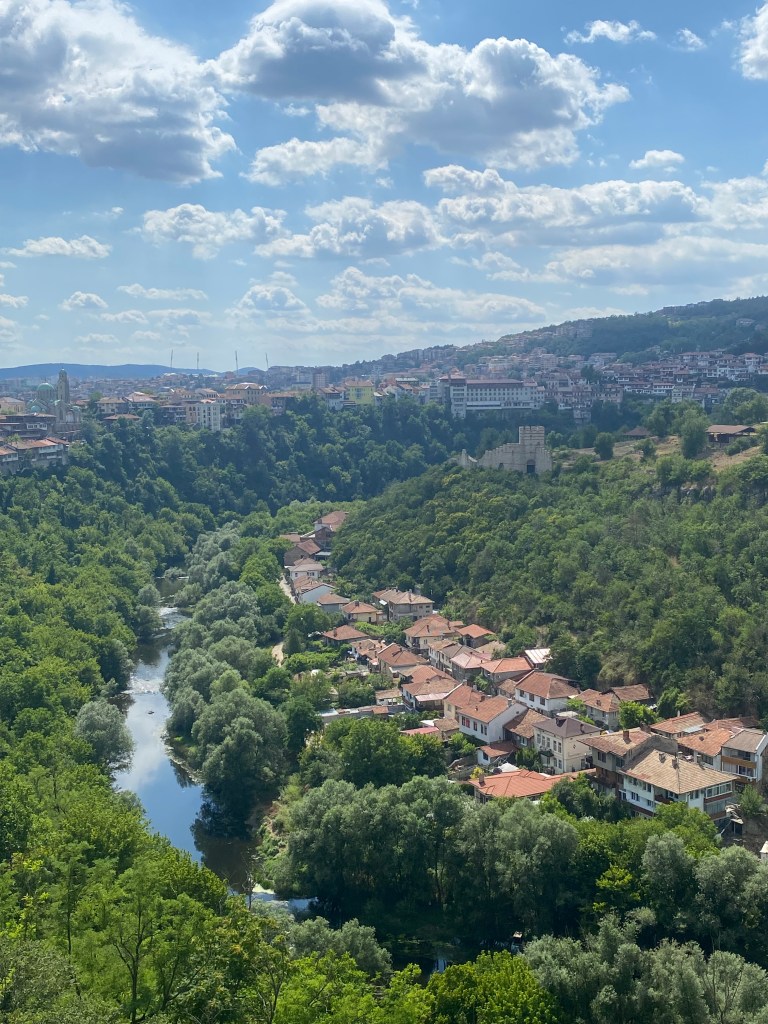
Veliko Taranova is a very vertical town due to the geography. Windy cobblestone streets curl around the sides of steep hills in a river valley where houses are built on levels up the sides. It makes for very picturesque images with the old and modern intertwined around many corners.

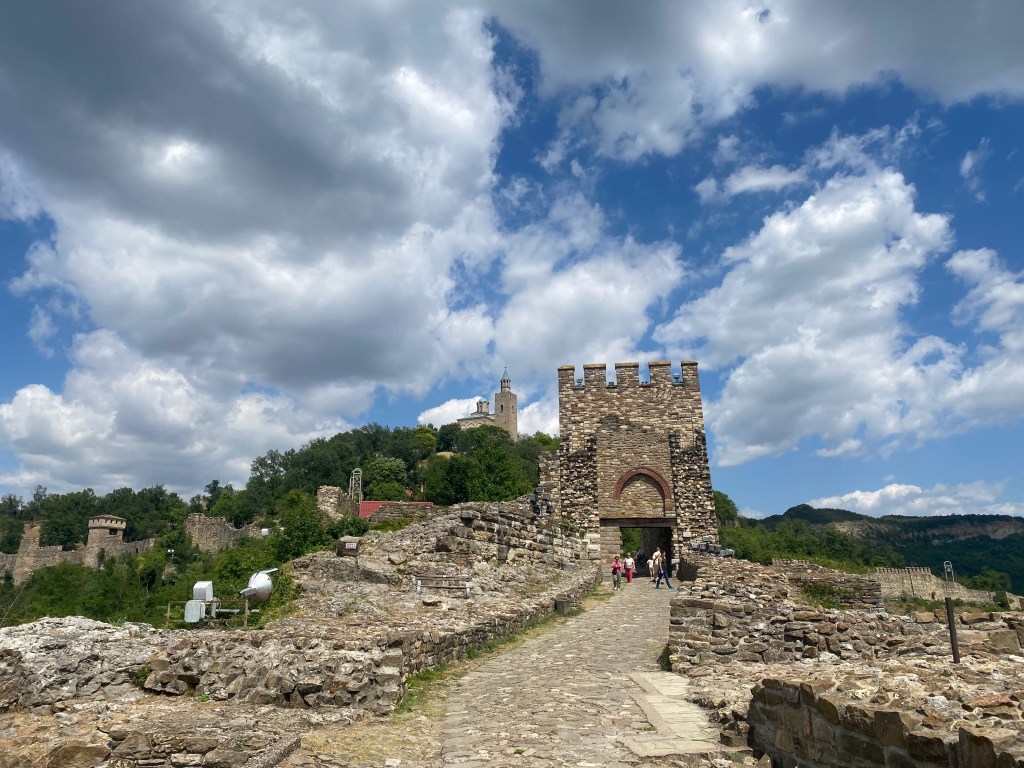
Our first stop after dropping off things at the hotel was to walk to the Tsarevets Fortress. An imposing hill structure across a bridge at one end of the town. In the 12th century it housed over 1000 people until it was sacked by Turkish invaders. The floor level structures have been excavated, but the walls remain as a testament to the history of this fortress. At the pinnacle of the hill on which the fortress is built is a renovated cathedral. It is visually drew my eyes as I circled the fortress streets and made my way up the hill. I was surprised to see a modern take on the history of the cathedral and the religious iconography on the interior walls as I entered the structure. It was beautiful but different from any other Orthodox Church I have visited.

After leaving the fortress we wandered the streets where many stores catered to locals and tourists. It felt like a vibrant town with lots on the go. We ate some traditional Bulgarian food at Cafe Risch. The stew I had was delicious along with the tomato and cumber salad. We had a beautiful view over an art gallery in the valley where a celebration of some kind was in full flight. It was part of the vista of the town that was enjoyable to look out as we ate. I have definitely enjoyed this visit to Veliko Taranova.

Jet lag and planning

I am on my third full day in Romania. After sleeping through my first night I have had two nights of waking up around 2 am and having a few hours of wakefulness before falling into a deeper sleep for another couple hours. Not helping is that Bucharest is hot. Temperatures have been up to the high 30s centigrade and nights can be a bit warm.

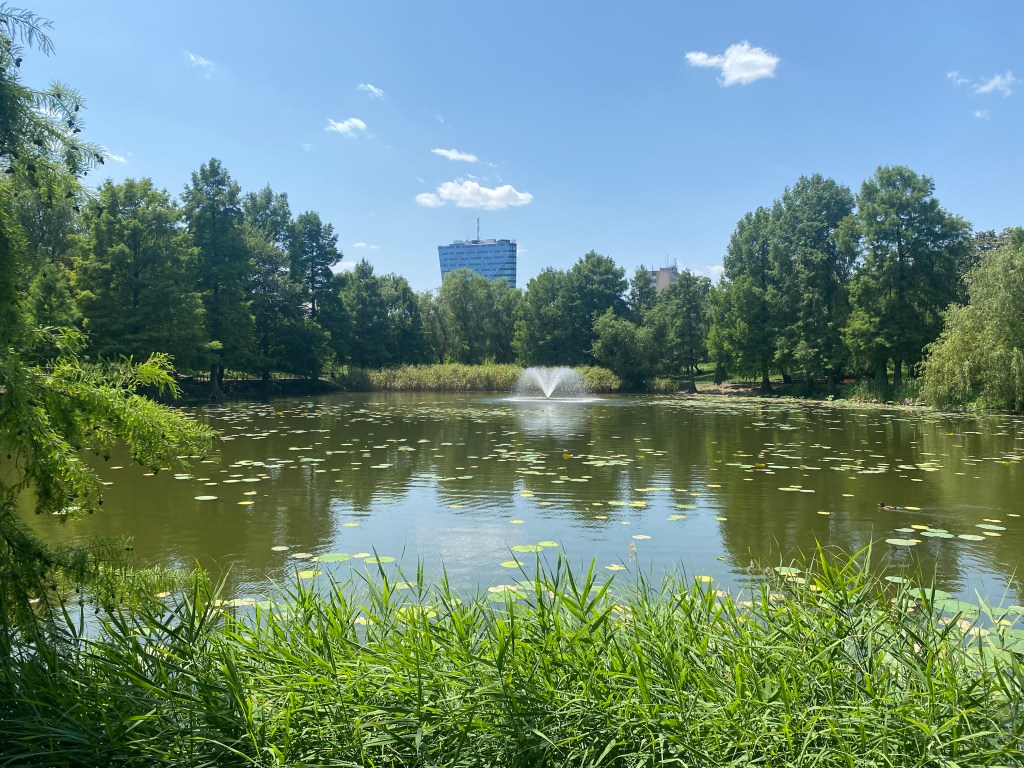
Despite this I am enjoying a casual approach to a city I visited last year and so haven’t done the formal tourism as much as wandered and relaxed. It is nice to explore some of the local parks despite the temperature. My sister suggested going to Circus Park, or Parcul Circului in the local context, which was a small city park with a nice water feature in the middle. A few locals were enjoying the shaded paths by the water.

I also started planning for the initial trip from the base of my sister’s apartment in Bucharest. I am fortunate that my sister, Fiona, has a week off and has a vehicle. Our plan is to do a loop in central and northern Bulgaria over the upcoming week.

We will start with a night in Veliko Tarnovo and seeing the Monastery of the Transfiguration just north of this city. We will continue south to Plovdiv, considered the oldest settlement in Europe with over 6000 years of known history from the area. We will enjoy staying in the Old City and exploring some of the history of this city. From there we will head to the capital of Sophia for a few days. During this stay we are hoping for a day trip to the Rila Monastery and a hike to the Seven Lakes. On the return we hope to check out Pleven. It should be a busy but enjoyable trip.

A Hundred Days in Europe

I’m at the Frankfurt Airport starting the initial trip of my gap year. I didn’t deliberately plan for this to be 100 days, but when I booked my ticket—adjusting for the lowest fairs based on the dates of travel—it ended up that I would have 100 days for this leg of the year.

The trip started off a bit rough with delays anticipated for the first two flights—one from Saskatoon to Toronto and then from Toronto to Austria—which was going to leave me missing my connection to Romania. Air Canada adjusted my ticket at the start sending me through Frankfurt rather than Zurich. I now have a four hour layover in Frankfurt where I am using the time to charge my phone and do some other work. If I can get the charge soon enough I may try to get into the city for a walk before catching a flight this afternoon.

The next 100 days should be interesting. I will see my sister in Romania and do an initial trip to Bulgaria with her. She will return while I do some hiking before heading off on a tour through the Balkans. My partner is coming to Croatia in early August and I am hoping that as she comes south from Austria—the flights were $1000 CAD cheaper than flying directly to Croatia—I can come north from Albania, Montenegro, and Bosnia & Herzegovina to connect for a week or so with her. This both feels like a lot of time and too little time, but will make the best I can of it.

I changed my final plans as my Father is travelling to Scotland in September. My sister and I will join him and his wife for a week before I do some hiking in the Highlands. This means I will need to delay my trip to Turkey for another time.

A hundred days should go quickly but still be time to explore and experience some of the varied cultures and history of Europe. Here’s to the next 100 days.

Starting my gap year

May 30th was my last day of work. It feels odd to be unemployed yet have the funds from a deferred salary arrangement to get me through the year ahead.

Right now I am going through the process of selling my apartment and moving in with my partner. It has been a bit delayed but I have an offer and am hopeful it won’t delay my plan to fly to Romania the last week of June. This is giving me a few weeks to get things in order for the trip.

I decided to not pay for hiking companies to support the trip. My sense was that I really needed it if I was doing a lot of cross border hiking, but feel I can limit this to a few areas around North Macedonia, Kosovo and Albania. I will be interested to do some multi-day hikes through the various countries in the Balkans.

I am bringing my tent with me. I debated going without and assuming I could either use huts or stop in towns along some of the routes. I may regret the extra weight but this gives me some flexibility. Plus I enjoy tenting so my choose this over the cabins as I go.

Hoping that I can get everything organized for the trip over the next three weeks. Really looking forward to this year off with the travelling!

Independent travel and the Scardus Trail

I am planning for my gap year where I am hoping to do a lot of hiking. I have done a fair number of trips in Canada, particularly in my home province of Saskatchewan and in the mountains of Alberta and British Columbia. Over the years I have tried more overnight camping and back country excursions. The hope was to do the same in Eastern Europe.

In looking at hikes in the Balkans, I realized there doesn’t appear to be national park groups where you can book camp sites or shelter spaces on these hikes. I may need to dig into this a bit more but my initial searching hasn’t found too many in Eastern Europe and the Balkans. My searches tend to take me to groups that will support hikes, both in helping you plan and in providing guides for a fee. Some even suggest that you shouldn’t go without the guide.

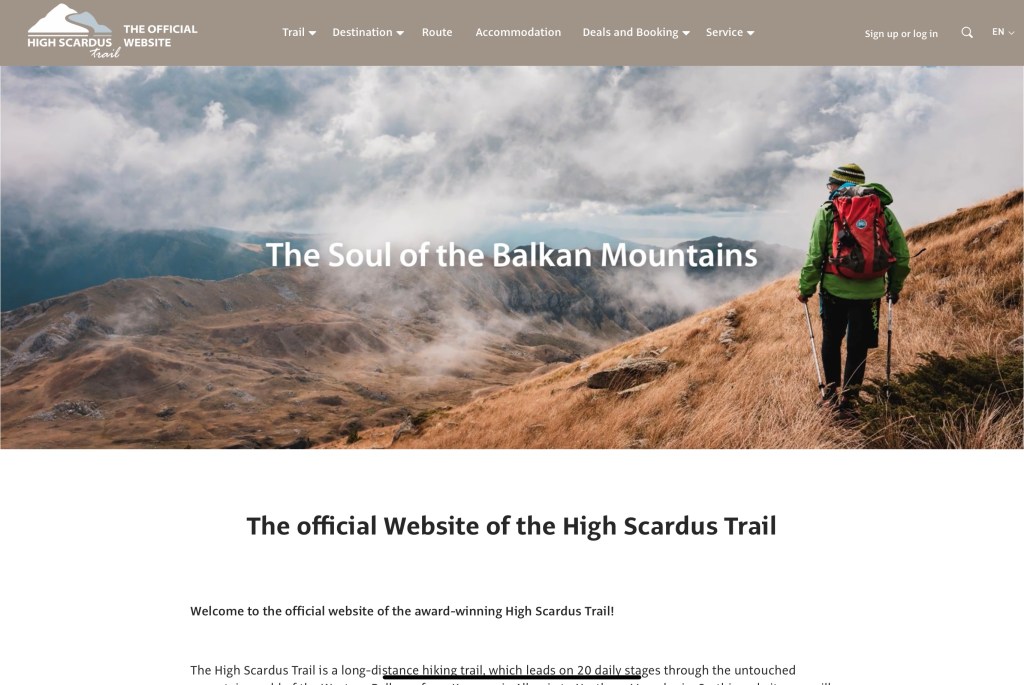
The High Scardus Trail is one such trail. They have a great website that provides a lot of information at https://www.high-scardus-trail.com/en/. This includes details on trail sections, accommodations, conditions, and booking.

Screenshot

The site appears to offer some pre-managed tours that appear to support the challenges of a trail that crosses the borders of North Macedonia, Kosovo, and Albania multiple times. In reading on other hikers trips, it is apparently harder to get the passes for the border controls without some supports. This makes the option to hire for this beneficial. However, as a lone hiker, the minimum group that would be supported is two people, unless you want to go with a pre-organized group.

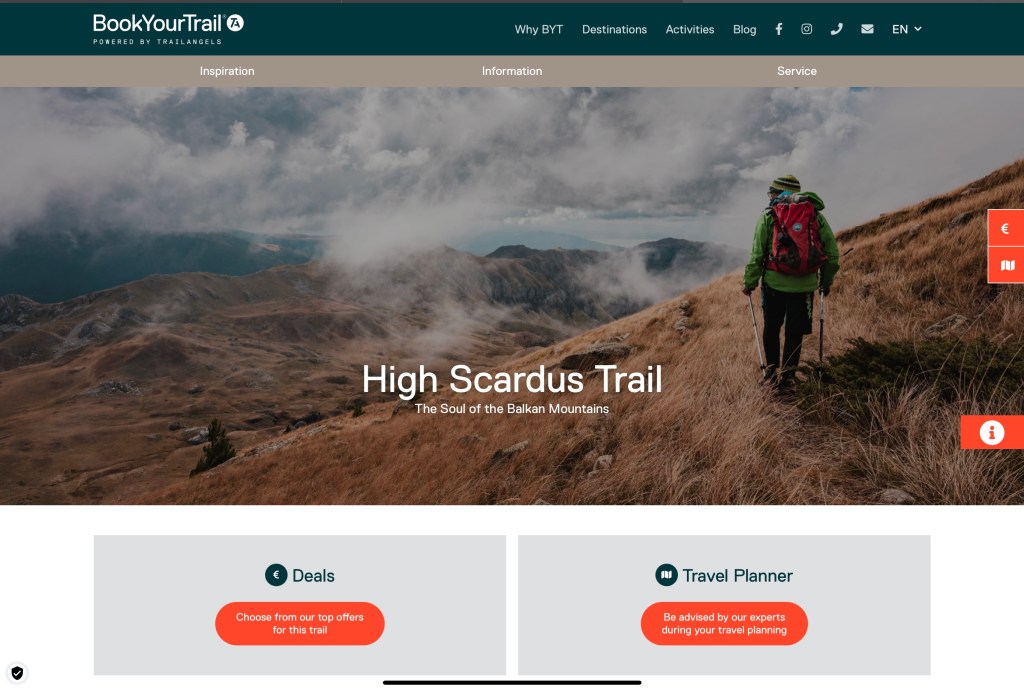
The booking functions take you to the Book Your Trail webpage that supports booking multiple hiking tours across Europe.

Screenshot

Although I haven’t followed through to actually book on this site, it does appear to a good one for linking to pre-organized hikes through select parts of the High Scardus Trail. There are a number of options that would appeal to people looking at hiking either in certain countries or considering bagging a few peaks.

Ultimately I am trying to decide whether I should go with a solo journey and take the risks associated with this independent travel, or if I should look at booking one of these deals or create my own customized travel plan. Likely if I do the individual approach—my preferred from previous travels—I may end up doing more hiking within a country, then finding a bus or train to travel across borders.

Gap year in 2025

in early December 2024 I gave my notice of resignation at work to take effect on May 31st, 2025. In 2021 I signed up for a deferred salary arrangement. The flexibility to resign and yet have just shy of four years of my 80% salary made me feel that this was something that I could afford to do.

I have always wanted to take time to travel and hike interesting places around the world. As I turn 50 in September of 2025, this acted as an impetus to make a change and use this milestone as a reason to take a gap year.

I have started doing some planning for the year ahead. Nothing is entirely solid but I am trying to work through plans using ChatGTP to help figure out plans of what to do. Currently my plan is below.

2025 Travel Plans

June 22–July 27: Eastern Europe

• Start the journey in Bucharest, Romania, a city filled with history and culture.

• Explore Bulgaria, including:

• Hiking the Rila Mountain Trail.

• Visiting Sofia and the charming city of Plovdiv.

• Spend 3 weeks hiking the High Scardus Trail in North Macedonia.

July 27–August 10: Montenegro

• Take the scenic train ride from Bijelo Polje to Stari Bar.

• Enjoy hiking in Lovćen National Park.

• Visit the coastal gems of Kotor and Budva.

• Wrap up with adventures in Durmitor National Park and Lake Skadar.

August 10–August 24: Serbia, Bosnia & Herzegovina, Hungary

• Explore cultural and historical landmarks in these beautiful countries.

• Return to Bucharest on August 24.

Late August–Early September: Sweden

• Hike the Kungsleden Trail (10 days) from Abisko to Nikkaluokta, a remote and stunning Arctic adventure.

Late September–October: Turkey (Lycian Way)

• Dedicate 30 days to hiking the Lycian Way, a scenic trail along Turkey’s Mediterranean coast.

October–November: Turkey

• Explore the vibrant city of Istanbul.

• Visit the unique landscapes of Cappadocia.

• Discover more cultural and historical gems across Turkey.

2026 Travel Plans

January–March: South America (Brazil, Patagonia)

• Trek to the summit of Monte Roraima (6–8 days).

• Embark on the Pico da Bandeira Trek in Caparaó National Park, Brazil.

• Hike in Patagonia, including:

Torres del Paine National Park in Chile.

El Chaltén and Tierra del Fuego in Argentina.

March–April: South America (Bolivia, Peru, Colombia)

• Experience the breathtaking Salar de Uyuni in Bolivia.

• Hike the colorful Rainbow Mountain (Vinicunca) in Peru.

• Explore Colombia with:

• The Cocora Valley hike.

• The Ciudad Perdida (Lost City Trek).

• Visit major South American capitals:

Buenos Aires (Argentina).

La Paz (Bolivia).

Lima (Peru).

Bogotá (Colombia).

The itinerary is obviously loose, particularly as it gets farther out. I will be curious to build on these plans in the months ahead. My hope is to use this blog to build my plans and the to record my travels.

Laugavegur Trek: starting at Landmannalauger

Before coming to Iceland I had researched the various hiking opportunities but decided to focus on the Laugavegur Trek. This 53 kilometre hike between Lanndmannalauger and Thorsmork.

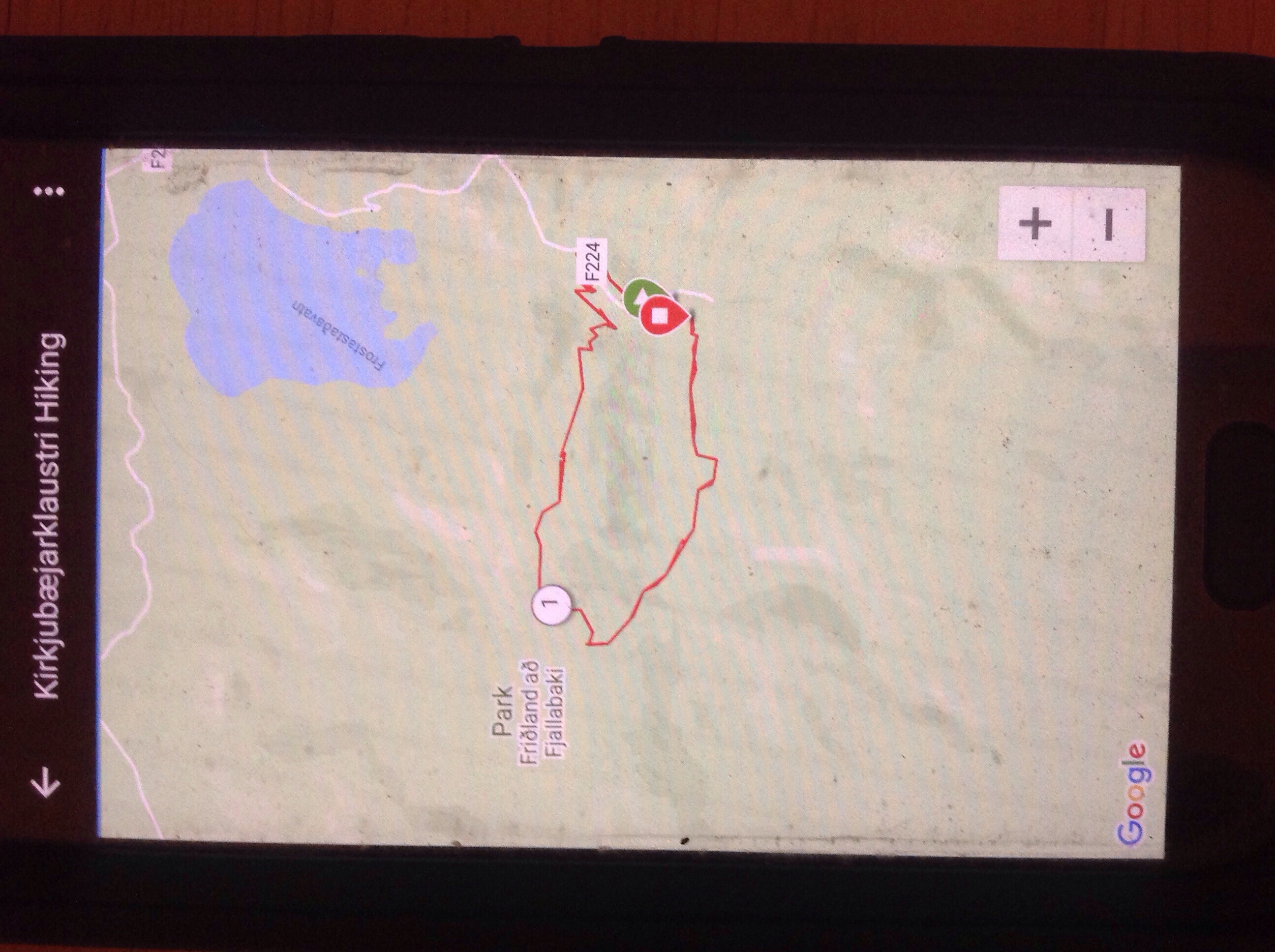
To start I spent a couple days at Landmannalauger. I had booked a seat on the bus service from Reykjavik. This three hour drive took us from the coastal areas inland, past fields, and then turning onto gravel roads through the moon-like volcanic plains of central Iceland. Arriving just after noon I decided to do some hiking around Landmannalauger. I started with a shorter 9.02K loop up Suournamur, turning back at Vondugil, and finishing through the volcanic plain of Namskivsl.

I stayed at the cabins that can be booked through http://www.fi.is. the Ferdafelag Islands or FI website is the main place to book cabins on the Landmannalauger Trek. They were comfortable shared spaces with the door room, where I slept, being a long room with two sleeping areas where you claim your space next to the other twenty others in the upper rooms.

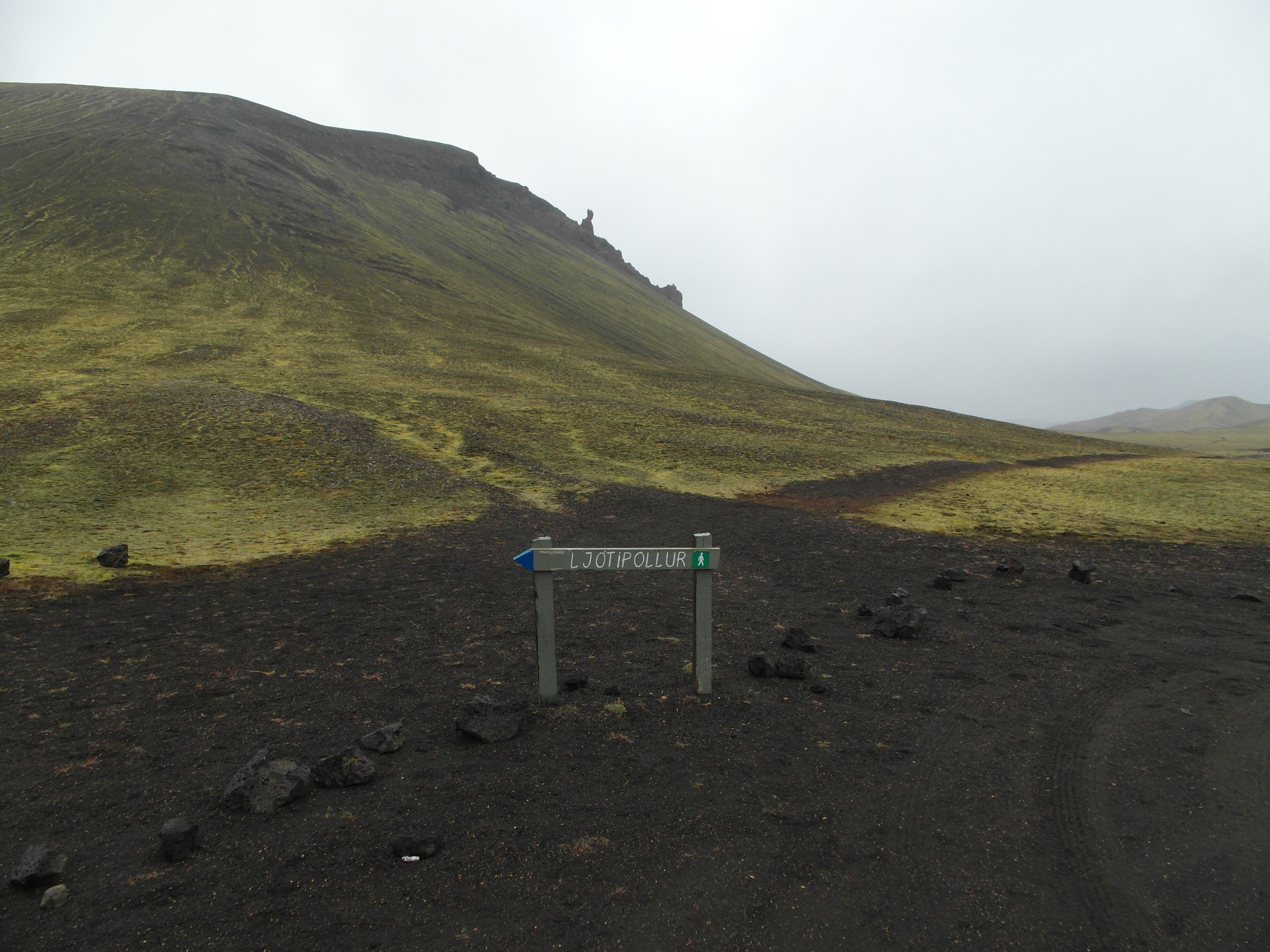
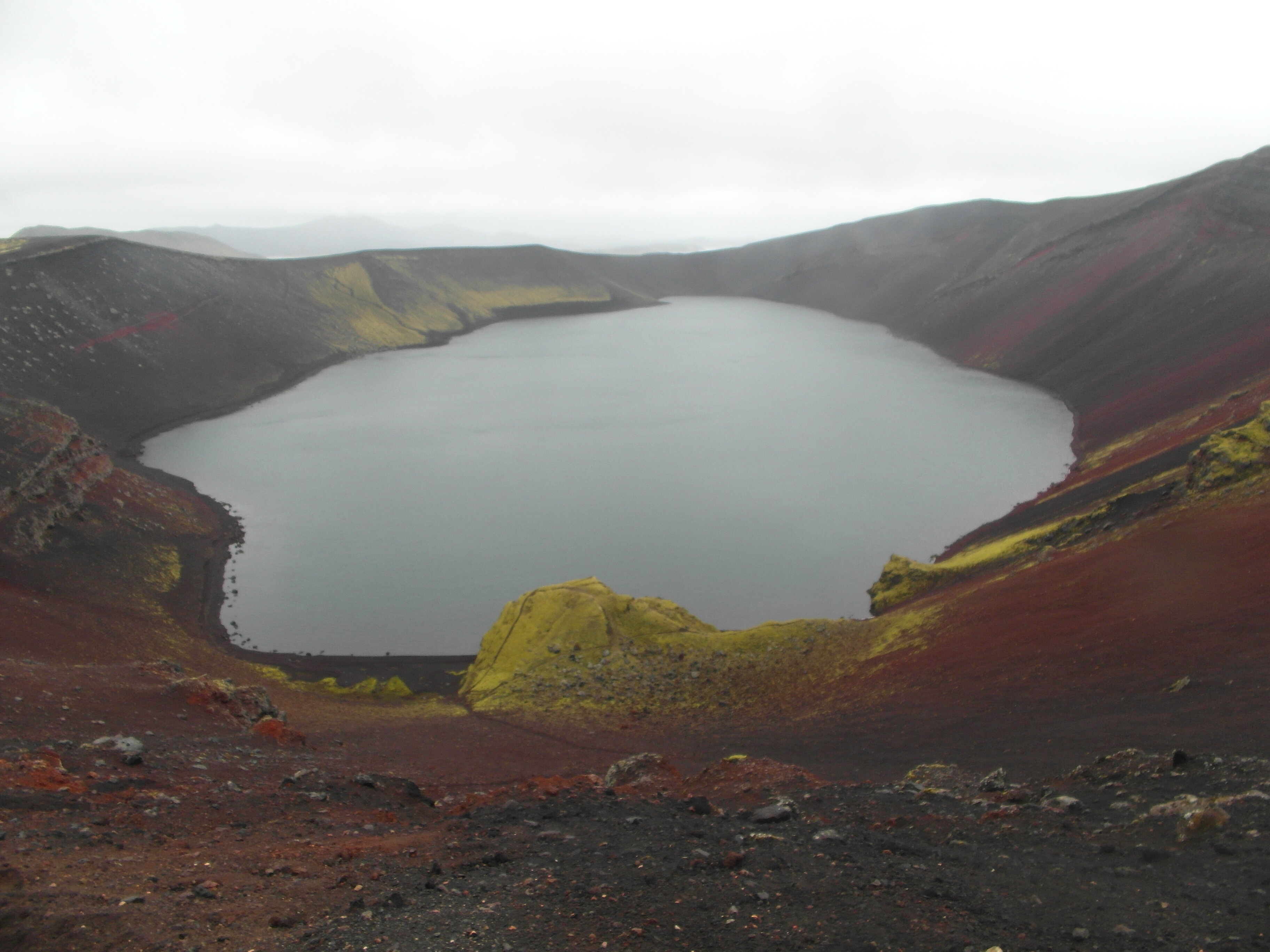
My only full day around Landmannalauger I did a 14.3K hike north to go around Norounamur, a small dormant volcanic hill, and the old lake inside another volcanic mound called Ljotipollur. The grey day and gusting winds caused some challenges and made taking breaks unpleasant, but the unique scenery kept driving me on.

This ended up being a relaxing introduction to Icelandic hiking. Definitely the next day on the Laugavegur Trek trail proved to be much more challenging.

First days in Iceland

After a night flight from Montreal the plane approached the Keflavik Airport. Watching the southwest coast of Iceland from above was a beautiful site. A mix of colours jump out and smoke rises from thermal fields giving the sense that I arrived at a place very different from anywhere else I had been.

Despite getting a bit delayed at the airport when my backpack was sent to the “odd sized” area of the baggage claim. I came out to a sunny day and caught the bus for my 30-minute ride to the capital. The airport is designed for a quick release into the country with very little fanfare and an efficient but polite immigration service.

Having booked on Reykjavik Excursions bus service, I got a ride to the City Hostel. About three kilometres from the downtown area the hostel was not the most convenient but was friendly and accommodating. I chose it as it had a good rating on hostels.com but also because I was looking to save some money on the trip. The accommodation prices in Iceland seemed quite a bit higher than I would typically pay. The campground filled with tents outside the City Hostel seemed to reflect a penny pinching approach to seeing Iceland was not uncommon.

Exploring Reykjavik was a fairly easy process. The majority of the capitals main tourist sites all spread out from a central road called Laugavegur which appears to have become a tourist focussed street with countless stores, restaurants, and coffee shops over a ten or twelve block stretch. Laugavegur sits down the hill from the key focal site of Hallgrimskirkja, an imposing Lutheran cathedral with a 73-metre steeple with an observation deck popular with tourists. Although I chose not to go up the tower I enjoyed sitting in the church for a Sunday service and hearing the choirs and organ filling the airy interior (the service was in Icelandic although tourists are given a guide to help follow the progress).

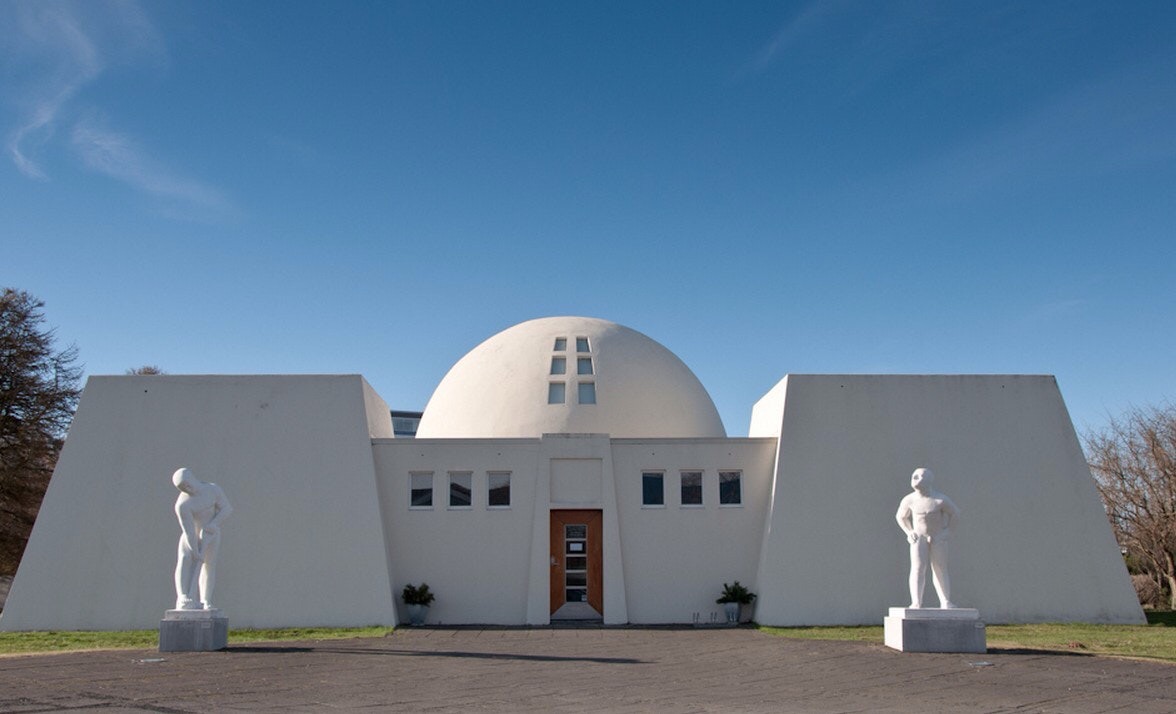
In the two days I had in the capital before heading to the highlands I had to organize my time as I couldn’t take in everything in the time I had. After walking by a unique looking building on my way between the Hostel and downtown I stopped in to check it out. It ended up being one of three sites for the Reykjavik Art Gallery–this one was called Asmundarsafn. It was named after one of Iceland’s most famous sculpture artists, Asmundur Sveinnson. The small museum was the artists home and workshop before his death. He donated the space and surrounding sculpture garden to the City.

You could purchase a 1600 ISK ticket that was good at the three Reykjavik Art Museum sites including the Asmundursafn, Hafnarhus–a six gallery site near the harbour downtown, and Kjarvallstador–a traditional art gallery with one area dedicated to the art of Johannes S. Kjarval. Walking between the sites was a good way to see the city and to take in a few different generations of Icelandic art.

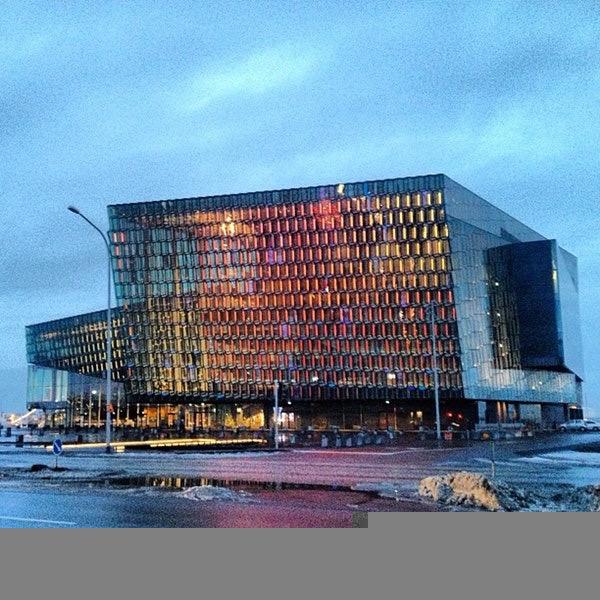
A few other places I would recommend checking out are the National Museum of Iceland for the dose of history of the Island nation; the Reykjavik City Hall for a bit of modern facts about the city and country; Volcano House, a small volcanoexhibit next to a fun little fish and chip shop, which gives you an interesting geological introduction to the island; and , the Harpa concert hall (a picture from foursquare is below).